


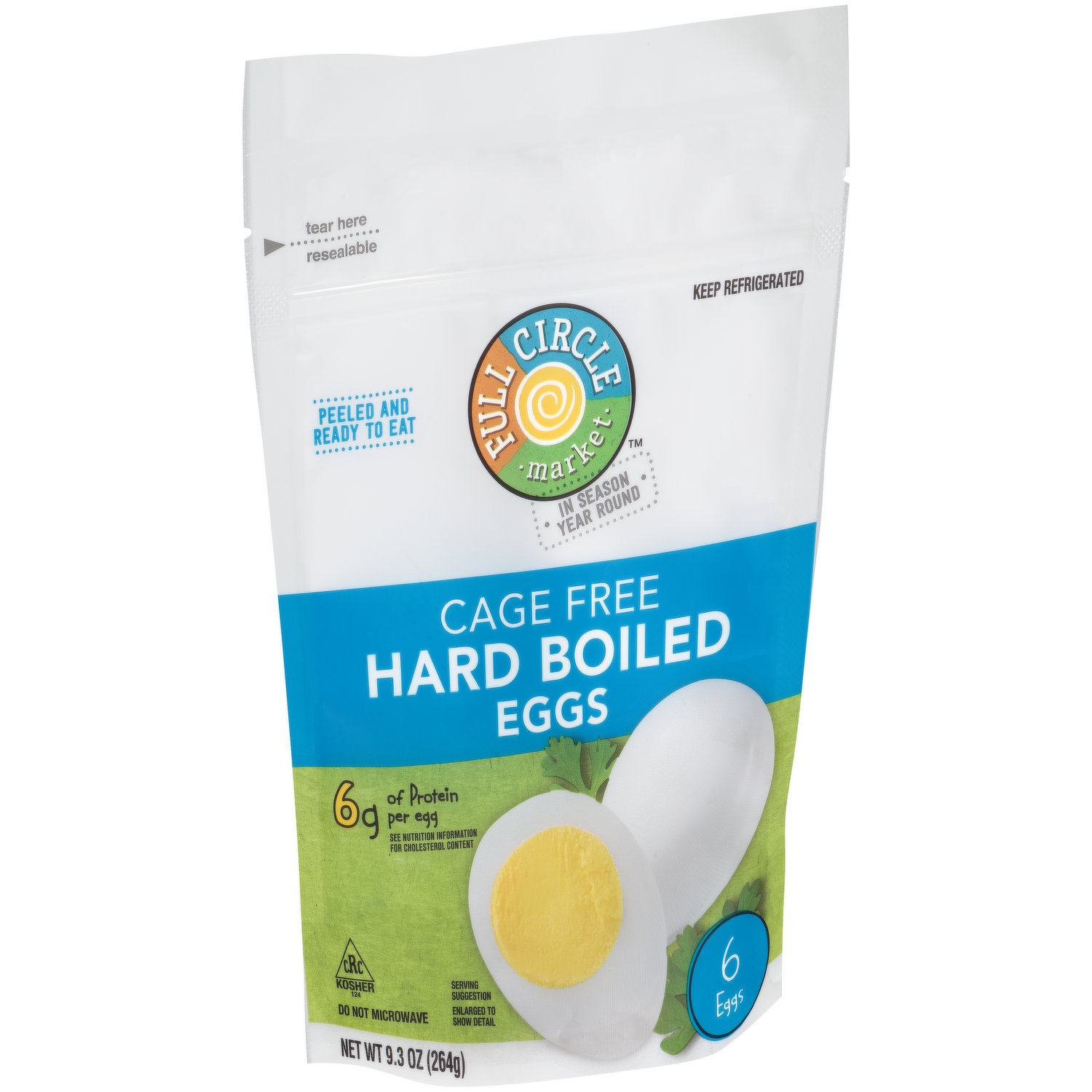


At a glance
Summary
This product consists primarily of eggs, which are a high-quality source of protein and essential nutrients, contributing positively to its nutritional profile. However, the presence of sodium benzoate, a synthetic preservative, raises health concerns due to its potential to form harmful compounds. The product's processing level and the use of additives limit its score, despite the beneficial qualities of the eggs.
Key ingredients 4
EggsGood
Eggs are a high-quality source of protein and essential nutrients. They contain all nine essential amino acids and are rich in vitamins such as B12 and D. The yolk provides healthy fats and choline, important for brain health.
Risks
Eggs can be a common allergen and may cause reactions in sensitive individuals.
Benefits
Rich in protein and essential nutrients, supporting muscle growth and overall health. The yolk contains choline, which is beneficial for brain function.
WaterNeutral
Water is used as a medium for cooking and processing. It does not contribute any nutritional value to the product. Its presence is primarily functional, aiding in the cooking process.
See more about Water →Citric AcidNeutral
Citric acid is a natural preservative and flavor enhancer. It is commonly used to maintain freshness and improve taste. It is generally recognized as safe when used in food products.
Risks
Excessive consumption may cause stomach upset in sensitive individuals.
Benefits
Helps preserve the product and enhance flavor without significant health concerns.
Sodium BenzoateBad
Sodium benzoate is a synthetic preservative used to extend shelf life. It can form benzene, a carcinogen, when combined with vitamin C under certain conditions. Its use is controversial due to potential health concerns.
Risks
May form benzene, a potential carcinogen, when combined with vitamin C. Some individuals may experience allergic reactions.
Benefits
Extends shelf life by preventing microbial growth, but offers no nutritional benefits.
Processing
Processed Foods
Get the full breakdown in the Scout appTake Scout shopping
Scan any product to see lab results, healthy alternatives, and your personalized analysis.
Download on theApp Store GET IT ONGoogle Play