
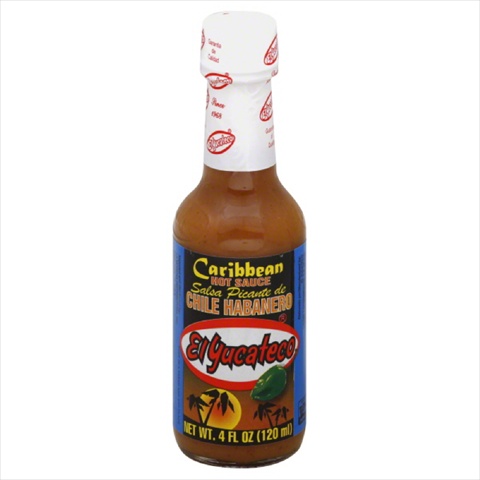



EL YUCATECO, CARIBBEAN HOT SAUCE, CHILE HABANERO
Analysis updated July 2026 · How Scout scores
At a glance
Summary
This hot sauce contains beneficial ingredients like habanero peppers, which are minimally processed and provide natural nutrients. However, it is classified as ultra-processed due to the presence of synthetic preservatives such as sodium benzoate and potassium sorbate, which are used to extend shelf life but may pose health concerns. The use of these additives and the overall processing level limit the product's health score.
Key ingredients 11
Habanero PepperGood
Habanero pepper is a natural ingredient known for its high capsaicin content, which may boost metabolism and provide anti-inflammatory benefits. It is minimally processed and retains its natural nutrients. The spiciness can enhance flavor without added calories.
Risks
Excessive consumption may cause digestive discomfort or irritation.
Benefits
Rich in vitamins A and C, and capsaicin, which may support metabolism and reduce inflammation.
SpicesGood
Whole-food seasonings, antioxidant-bearing.
Risks
Potential for allergic reactions in sensitive individuals.
Benefits
May contain antioxidants and compounds that support health.
WaterNeutral
Water is a neutral ingredient used as a base in many food products. It does not contribute any nutritional value or health risks. It serves as a solvent for other ingredients.
See more about Water →CarrotNeutral
Carrot is a natural vegetable ingredient that provides some vitamins and fiber. It is typically used in small amounts in sauces for flavor and color. The processing involved in sauce production may reduce its nutritional content.
Benefits
Contains beta-carotene, which is converted to vitamin A in the body, supporting vision and immune function.
SaltNeutral
Salt is used as a seasoning and preservative in many foods. It is a refined ingredient that provides sodium, essential for fluid balance and nerve function. Excessive intake can lead to health issues such as hypertension.
Risks
High sodium intake is associated with increased risk of hypertension and cardiovascular disease.
Benefits
Essential for maintaining fluid balance and nerve function in the body.
Acetic AcidNeutral
Acetic acid is used as a pH control agent and preservative. It is a natural component of vinegar and is generally recognized as safe. It helps to inhibit microbial growth in food products.
Benefits
Helps preserve food by inhibiting microbial growth and maintaining acidity.
Onion PowderNeutral
Onion powder is a dehydrated form of onion used for flavoring. It retains some of the nutritional benefits of fresh onions, such as antioxidants. The dehydration process may reduce its vitamin content.
Benefits
Provides flavor and some antioxidants, such as quercetin, which may have anti-inflammatory properties.
Citric AcidNeutral
Citric acid is a common food additive used as an acidulant and preservative. It is naturally found in citrus fruits and is generally recognized as safe. It enhances flavor and preserves freshness.
Benefits
Acts as a preservative and enhances the flavor profile of foods.
Xanthan GumNeutral
Xanthan gum is a polysaccharide used as a stabilizer and thickening agent. It is produced by fermentation and is widely used in food products. It helps maintain texture and consistency in sauces.
Risks
May cause digestive discomfort in sensitive individuals when consumed in large amounts.
Benefits
Improves texture and stability of food products without significant nutritional impact.
Sodium BenzoateBad
Sodium benzoate is a synthetic preservative used to prevent microbial growth. It is effective in acidic foods but may form benzene, a carcinogen, under certain conditions. Its use is controversial due to potential health concerns.
Risks
Potential formation of benzene, a carcinogen, when combined with ascorbic acid (vitamin C) in certain conditions.
Benefits
Extends shelf life by preventing microbial growth in acidic foods.
Potassium SorbateBad
Potassium sorbate is a synthetic preservative used to inhibit mold and yeast growth. It is effective in extending shelf life but may cause allergic reactions in some individuals. Its use is common in processed foods.
Risks
May cause allergic reactions or skin irritation in sensitive individuals.
Benefits
Prevents spoilage by inhibiting mold and yeast growth, extending product shelf life.
Processing
Ultra-Processed Foods
Get the full breakdown in the Scout appTake Scout shopping
Scan any product to see lab results, healthy alternatives, and your personalized analysis.
Download on theApp Store GET IT ONGoogle Play