
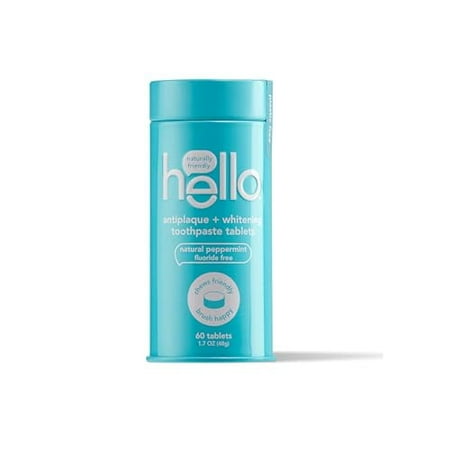


Hello Antiplaque + Whitening Toothpaste Tablets 60ct
Analysis updated August 2026 · How Scout scores
At a glance
Summary
This toothpaste tablet features a clean formula with beneficial ingredients like xylitol, coconut oil, zinc citrate, tea tree oil, and natural peppermint, all of which contribute to oral health by reducing bacteria and plaque. The absence of harmful chemicals such as fluoride, SLS, and artificial sweeteners enhances its safety profile. Despite being processed, the product's reliance on natural and effective ingredients supports a high rating.
Key ingredients 11
XylitolVery Good
Xylitol is a natural sweetener known for its ability to reduce cavity-causing bacteria in the mouth. It helps in maintaining oral health by preventing tooth decay. It is widely used in oral care products for its dental benefits.
Risks
Generally safe, but excessive consumption can cause digestive issues.
Benefits
Reduces cavity-causing bacteria and promotes oral health.
Cocos Nucifera (Coconut) OilGood
Coconut oil is known for its natural antibacterial properties, which can help reduce harmful bacteria in the mouth. It is often used in oral care for its potential to improve oral hygiene. It is a natural and safe ingredient.
Benefits
Provides natural antibacterial benefits and supports oral hygiene.
Zinc CitrateGood
Zinc citrate is used in oral care products for its ability to reduce plaque formation and control bad breath. It is an effective ingredient for maintaining oral health. It is considered safe and beneficial in toothpaste.
Risks
Excessive use can lead to zinc toxicity, but this is unlikely in toothpaste.
Benefits
Helps reduce plaque and control bad breath, supporting oral health.
Tea Tree OilGood
Tea tree oil is a natural antimicrobial agent that can help reduce bacteria in the mouth. It is used in oral care products for its potential to improve oral hygiene. It is a natural and effective ingredient.
Risks
Can cause irritation if used in high concentrations.
Benefits
Provides antimicrobial benefits, supporting oral hygiene.
Natural PeppermintGood
Natural peppermint oil is used for its antimicrobial properties and ability to freshen breath. It is a common ingredient in oral care products for its pleasant taste and oral health benefits. It is safe and effective.
Risks
May cause irritation in sensitive individuals.
Benefits
Freshens breath and provides antimicrobial benefits.
SorbitolNeutral
Sorbitol is a sugar alcohol used as a sweetener and humectant in oral care products. It helps maintain moisture and provides a pleasant taste. It is generally considered safe for oral use.
Risks
Excessive consumption can have a laxative effect.
Benefits
Helps in maintaining moisture and improving taste without contributing to tooth decay.
Hydrated SilicaNeutral
Hydrated silica is used as a mild abrasive to help remove plaque and stains from teeth. It is commonly used in toothpaste for its cleaning properties. It is considered safe for use in oral care products.
Risks
Overuse can potentially lead to enamel wear.
Benefits
Helps in cleaning teeth by removing plaque and surface stains.
CelluloseNeutral
Cellulose is used as a thickening agent in toothpaste formulations. It helps in maintaining the consistency of the product. It is a natural polymer derived from plant sources.
Benefits
Contributes to the desired texture and consistency of toothpaste.
Xanthan GumNeutral
Xanthan gum is a thickening agent that helps stabilize toothpaste formulations. It is derived from natural sources and is widely used in food and oral care products. It is considered safe for use.
Risks
May cause digestive issues if ingested in large amounts.
Benefits
Stabilizes and thickens toothpaste, improving texture.
Stearic AcidNeutral
Stearic acid is used as a thickener and stabilizer in toothpaste. It is a fatty acid that helps maintain the product's consistency. It is generally recognized as safe for use in oral care products.
Benefits
Helps in maintaining the consistency and stability of toothpaste.
FlavorBad
Processed additive flagged under Scout's ingredient doctrine.
Risks
Undisclosed components may cause allergic reactions in sensitive individuals.
Benefits
Improves the taste and overall user experience of the toothpaste.
Processing
Processed Foods
Get the full breakdown in the Scout appTake Scout shopping
Scan any product to see lab results, healthy alternatives, and your personalized analysis.
Download on theApp Store GET IT ONGoogle PlayAmazon pricing & content
Amazon price as of . Product prices and availability are accurate as of the date/time indicated and are subject to change. Any price and availability information displayed on Amazon.com at the time of purchase will apply to the purchase of this product.
CERTAIN CONTENT THAT APPEARS ON THIS SITE COMES FROM AMAZON. THIS CONTENT IS PROVIDED “AS IS” AND IS SUBJECT TO CHANGE OR REMOVAL AT ANY TIME.