



At a glance
Summary
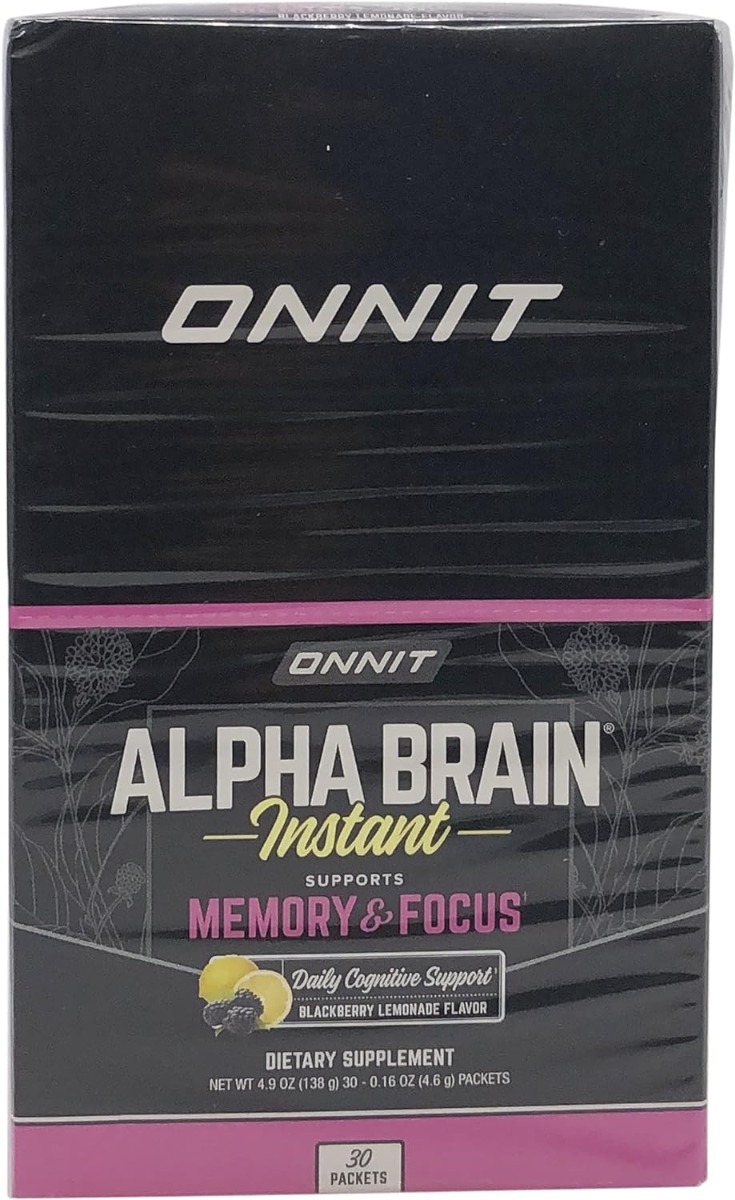
This supplement contains a simple formulation with natural flavors, citric acid, malic acid, and non-caloric sweeteners like monk fruit extract and Rebaudioside A. While the use of natural flavors raises some concerns due to potential lack of transparency, the absence of artificial sweeteners, dyes, or harmful additives contributes positively to its score. The product is moderately processed, but the clean ingredient list supports its overall quality.
Key ingredients 5
Monk Fruit ExtractGood
Beneficial ingredient — whole-food or functional value in this product class.
Benefits
Provides sweetness without calories, making it a suitable option for those managing calorie intake.
Citric AcidNeutral
Citric acid is a common food additive used to enhance flavor and preserve freshness. It is naturally found in citrus fruits but is often industrially produced for use in food products. While generally recognized as safe, excessive consumption can lead to dental erosion.
Risks
Excessive consumption may lead to dental erosion and potential gastrointestinal discomfort.
Benefits
Acts as a preservative and flavor enhancer, contributing to the product's shelf life and taste.
Malic AcidNeutral
Malic acid is a naturally occurring compound in fruits, used to enhance flavor and acidity in foods. It is generally recognized as safe and is less likely to cause dental erosion compared to citric acid. It is often used in combination with other acids to balance flavor profiles.
Benefits
Enhances flavor and acidity, contributing to the overall taste profile of the product.
Rebaudioside ANeutral
Rebaudioside A is a steviol glycoside derived from the stevia plant, used as a natural sweetener. It is calorie-free and does not affect blood sugar levels, making it a popular choice for sugar alternatives. It is highly processed to isolate the sweet components from the stevia leaf.
Benefits
Provides a natural, calorie-free sweetness, suitable for those looking to reduce sugar intake.
Natural FlavorsBad
Natural flavors are often used as a catch-all term for a variety of flavoring agents, which can include synthetic chemicals. The lack of transparency in their composition raises concerns about potential allergens and additives. They are heavily processed and do not provide any nutritional benefits.
Risks
Potential allergens and synthetic additives may be present, posing health risks for sensitive individuals.
Processing
Processed Foods
Get the full breakdown in the Scout appTake Scout shopping
Scan any product to see lab results, healthy alternatives, and your personalized analysis.
Download on theApp Store GET IT ONGoogle Play