




At a glance
Summary
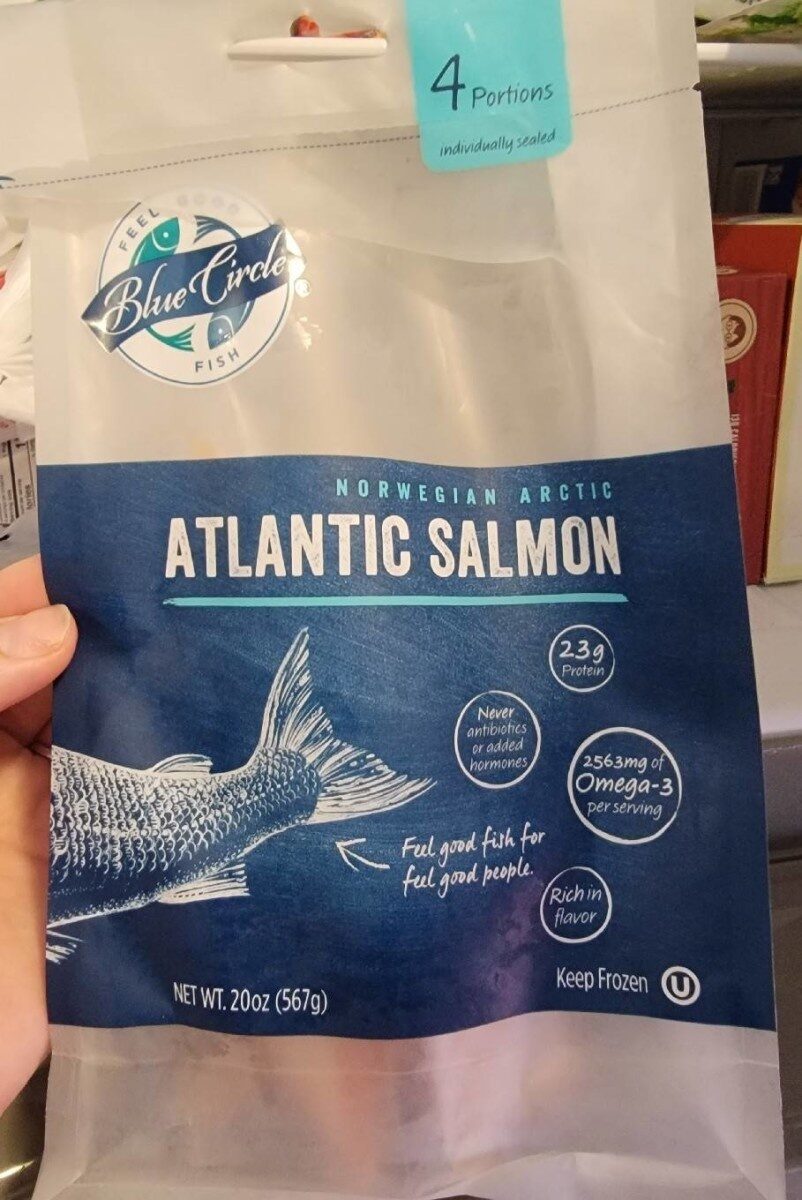
This product is a processed food with Atlantic salmon as the primary ingredient, providing beneficial omega-3 fatty acids and protein. However, the inclusion of natural flavors and caramel sugar syrup introduces processed elements that detract from its overall healthiness. The presence of added color and refined sugars further impacts its nutritional profile, limiting its score despite the quality of the salmon.
Key ingredients 7
Atlantic salmonGood
Atlantic salmon is a high-quality source of protein and omega-3 fatty acids. It provides essential nutrients that support heart and brain health. The fish is typically farmed, which may affect its nutrient profile compared to wild-caught varieties.
Risks
Farmed salmon may contain higher levels of contaminants compared to wild-caught salmon.
Benefits
Rich in omega-3 fatty acids, which are beneficial for cardiovascular health and reducing inflammation.
SaltNeutral
Salt is used as a preservative and flavor enhancer in many foods. It is a refined product that lacks the trace minerals found in unrefined salts. Excessive consumption can lead to health issues such as hypertension.
Risks
High sodium intake is associated with increased risk of hypertension and cardiovascular disease.
Benefits
Essential for maintaining fluid balance and nerve function in the body.
Distilled vinegar powderNeutral
Distilled vinegar powder is used for flavoring and preservation. It is a processed form of vinegar that lacks the probiotic benefits of raw vinegar. It provides acidity without significant nutritional value.
Benefits
Adds flavor and acts as a preservative in food products.
SmokeNeutral
Smoke is used to impart flavor and preserve the product. It is a traditional method of food preservation. The process may introduce polycyclic aromatic hydrocarbons (PAHs), which are potential carcinogens.
Risks
Potential exposure to PAHs, which are linked to cancer risk with high consumption.
Benefits
Adds a distinctive flavor and acts as a natural preservative.
Color addedNeutral
Color added is used to enhance the visual appeal of the product. It may be derived from natural or synthetic sources. The specific type of colorant used is not disclosed, which limits transparency.
Risks
Potential for allergic reactions or sensitivities depending on the source of the colorant.
Natural flavorBad
Natural flavors are often used to enhance taste but can be derived from complex chemical processes. They lack transparency regarding their specific composition. This ingredient is heavily processed and may contain additives.
Risks
Potential allergens and unknown additives may be present, posing risks for sensitive individuals.
Caramel sugar syrupBad
Caramel sugar syrup is a refined sugar product used for coloring and flavoring. It is high in simple sugars, which can contribute to metabolic issues. The caramelization process may produce undesirable compounds.
Risks
High sugar content can lead to increased risk of obesity, diabetes, and dental issues.
Processing
Processed Foods
Get the full breakdown in the Scout appTake Scout shopping
Scan any product to see lab results, healthy alternatives, and your personalized analysis.
Download on theApp Store GET IT ONGoogle Play