

At a glance
Summary
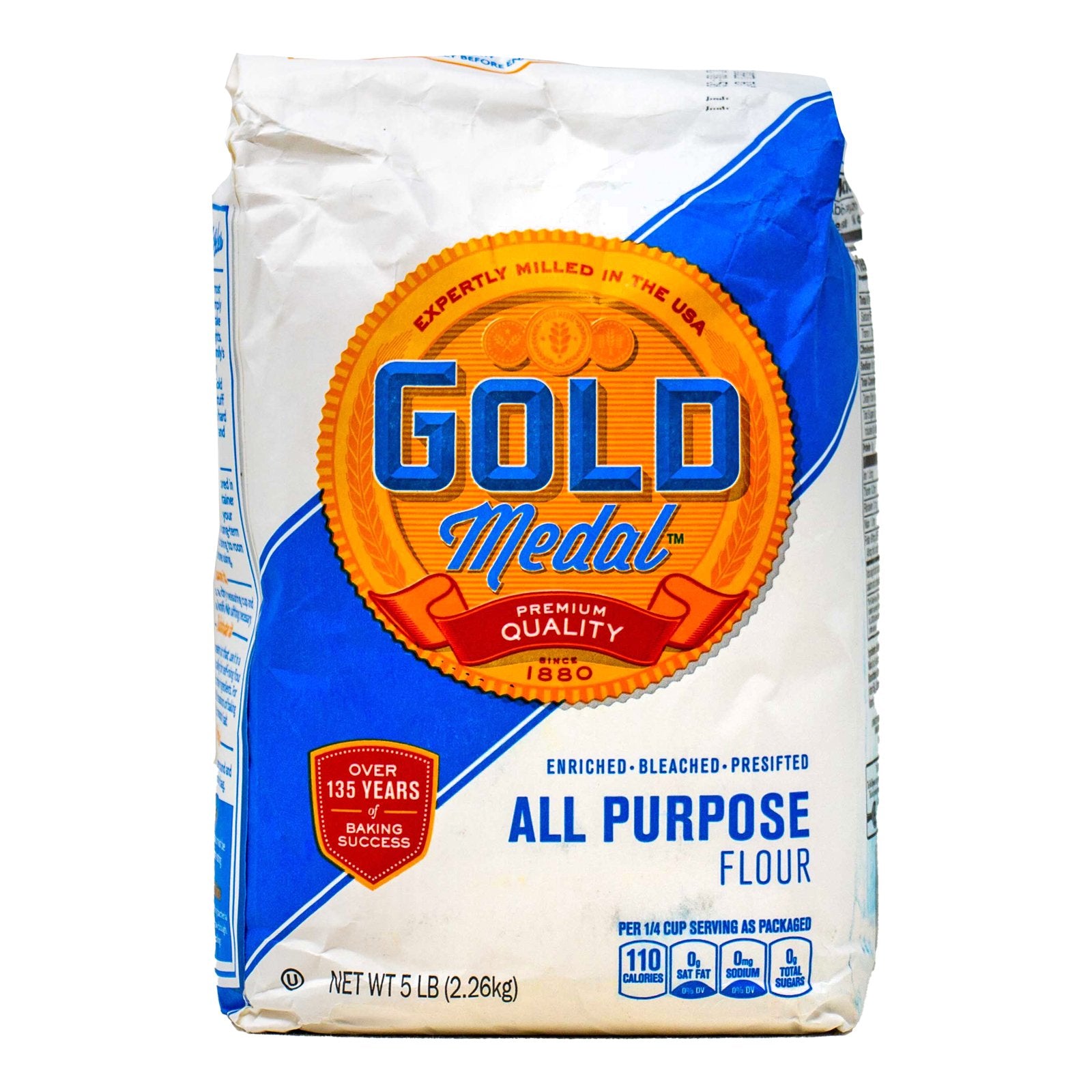
This all-purpose flour is primarily composed of bleached wheat flour, which is a refined ingredient lacking the nutritional benefits of whole grains. The addition of synthetic vitamins and minerals like niacin and folic acid is common in enriched flours to replace nutrients lost during processing. While it is minimally processed, the lack of whole grain content and the use of bleached flour reduce its nutritional value compared to whole grain alternatives.
Key ingredients 7
NiacinGood
Beneficial ingredient — whole-food or functional value in this product class.
Benefits
Essential for energy metabolism and supports overall health by preventing niacin deficiency.
RiboflavinGood
Essential B vitamin — beneficial micronutrient.
Benefits
Supports energy production and overall health by preventing riboflavin deficiency.
Bleached wheat flourNeutral
Bleached wheat flour is a refined flour that has been chemically treated to improve its baking properties. The bleaching process can reduce some of the nutritional content compared to whole grain flours. It is commonly used in baking for its fine texture and white color.
Risks
The refining and bleaching process removes fiber and some nutrients, which may lead to a higher glycemic index.
Benefits
Provides a fine texture and consistent results in baking applications. It is a versatile ingredient used in a wide range of recipes.
Malted barley flourNeutral
Malted barley flour is used to enhance the flavor and improve the fermentation process in baked goods. It contains enzymes that help break down starches into sugars, aiding in yeast fermentation. This ingredient is typically used in small amounts to improve dough handling and flavor.
Benefits
Enhances flavor and aids in the fermentation process, improving the texture and rise of baked goods.
Reduced ironNeutral
Reduced iron is added to enriched flours to compensate for iron lost during processing. It is a form of iron that is easily absorbed by the body, helping to prevent iron deficiency anemia. This fortification is important for maintaining adequate iron levels, especially in populations at risk of deficiency.
Risks
Excessive iron intake can lead to toxicity, but this is rare from food sources alone.
Benefits
Helps prevent iron deficiency anemia and supports oxygen transport in the body.
Thiamine mononitrateNeutral
Thiamine mononitrate is a synthetic form of vitamin B1 used to fortify flour. It is essential for carbohydrate metabolism and nerve function. Fortification helps prevent thiamine deficiency, which can lead to conditions like beriberi.
Benefits
Supports energy metabolism and nerve function, preventing thiamine deficiency.
Folic acidNeutral
Folic acid is a synthetic form of vitamin B9 used to fortify flour to prevent neural tube defects in developing fetuses. It is essential for DNA synthesis and repair, as well as cell division. Fortification is particularly important for women of childbearing age to ensure adequate intake.
Risks
Excessive intake can mask vitamin B12 deficiency, but this is unlikely from food sources alone.
Benefits
Crucial for preventing neural tube defects and supporting DNA synthesis and cell division.
Processing
Unprocessed or Minimally Processed Foods
Get the full breakdown in the Scout appTake Scout shopping
Scan any product to see lab results, healthy alternatives, and your personalized analysis.
Download on theApp Store GET IT ONGoogle PlayAmazon pricing & content
Amazon price as of . Product prices and availability are accurate as of the date/time indicated and are subject to change. Any price and availability information displayed on Amazon.com at the time of purchase will apply to the purchase of this product.
CERTAIN CONTENT THAT APPEARS ON THIS SITE COMES FROM AMAZON. THIS CONTENT IS PROVIDED “AS IS” AND IS SUBJECT TO CHANGE OR REMOVAL AT ANY TIME.