



At a glance
Summary
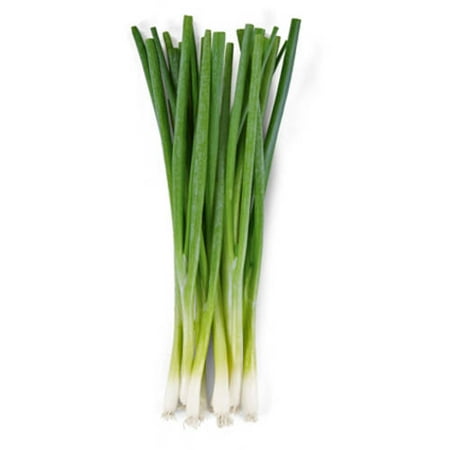
Green onions are a minimally processed vegetable rich in essential vitamins and minerals, including copper, thiamin, and folate. They provide dietary fiber and have anti-inflammatory properties, supporting immune function and overall health. The product's clean label and lack of harmful additives contribute to its high rating.
Key ingredients 13
Green OnionsVery Good
Green onions are a low-calorie vegetable rich in vitamins and antioxidants. They provide dietary fiber and have anti-inflammatory properties. Their natural compounds may support immune function and overall health.
Benefits
Rich in vitamins A, C, and K, and contain antioxidants that may help reduce inflammation and support immune health.
FolateVery Good
Folate is a B-vitamin essential for DNA synthesis and cell division. It is particularly important during periods of rapid growth such as pregnancy and infancy. Adequate folate intake can help prevent neural tube defects in developing fetuses.
Benefits
Supports healthy cell division and is crucial for fetal development during pregnancy.
CalciumVery Good
Calcium is a crucial mineral for bone health and plays a role in muscle function and nerve signaling. It is essential for maintaining strong bones and teeth and supports cardiovascular health. Adequate calcium intake is important for preventing osteoporosis.
Risks
Excessive calcium intake can lead to kidney stones, but this is rare from dietary sources.
Benefits
Essential for strong bones and teeth and supports muscle function and nerve signaling.
PotassiumVery Good
Potassium is an essential mineral that helps regulate fluid balance, muscle contractions, and nerve signals. It is important for maintaining healthy blood pressure levels. Adequate potassium intake supports cardiovascular health and reduces the risk of stroke.
Risks
Excessive potassium intake can cause hyperkalemia, but this is rare from dietary sources.
Benefits
Supports cardiovascular health and helps maintain healthy blood pressure levels.
Italian ParsleyVery Good
Italian parsley is a nutrient-rich herb high in vitamins A, C, and K, and antioxidants. It supports immune function and has anti-inflammatory properties. Its natural compounds may aid in digestion and detoxification.
Benefits
Rich in vitamins and antioxidants that support immune health and reduce inflammation.
CopperGood
Copper is an essential trace mineral important for iron metabolism and neurological function. It plays a role in forming red blood cells and maintaining healthy bones and nerves. Adequate copper intake supports cardiovascular health.
Risks
Excessive copper intake can lead to toxicity, but this is rare from dietary sources.
Benefits
Supports iron absorption and is crucial for maintaining healthy connective tissues and nerve cells.
ThiaminGood
Thiamin, also known as vitamin B1, is essential for energy metabolism and nerve function. It helps convert carbohydrates into energy and supports muscle and heart function. Adequate thiamin intake is crucial for preventing deficiency-related conditions.
Benefits
Essential for energy production and supports proper nerve and muscle function.
MagnesiumGood
Magnesium is a vital mineral involved in over 300 biochemical reactions in the body. It supports muscle and nerve function, blood glucose control, and bone health. Adequate magnesium intake is associated with a reduced risk of cardiovascular disease.
Risks
Excessive magnesium from supplements can cause digestive issues, but dietary sources are generally safe.
Benefits
Supports muscle and nerve function and is important for maintaining healthy bones and a stable heart rhythm.
PhosphorusGood
Phosphorus is a mineral that plays a key role in the formation of bones and teeth. It is also important for energy production and the regulation of acid-base balance in the body. Adequate phosphorus intake supports overall metabolic health.
Risks
Excessive phosphorus intake can affect calcium balance, but this is uncommon from dietary sources.
Benefits
Essential for bone health and energy production, and helps maintain acid-base balance in the body.
ZincGood
Zinc is an essential mineral important for immune function, wound healing, and DNA synthesis. It plays a role in cell division and growth and is crucial for maintaining a healthy immune system. Adequate zinc intake supports overall health and well-being.
Risks
Excessive zinc intake can interfere with copper absorption and cause gastrointestinal issues.
Benefits
Supports immune function and is important for wound healing and DNA synthesis.
RiboflavinGood
Riboflavin, or vitamin B2, is essential for energy production and the metabolism of fats, drugs, and steroids. It also plays a role in maintaining healthy skin and eyes. Adequate riboflavin intake supports overall metabolic health.
Benefits
Supports energy production and is important for maintaining healthy skin and eyes.
IronGood
Iron is a vital mineral necessary for the production of hemoglobin, which carries oxygen in the blood. It supports energy production and cognitive function. Adequate iron intake is crucial for preventing anemia and maintaining overall health.
Risks
Excessive iron intake can cause toxicity, but this is rare from dietary sources.
Benefits
Supports oxygen transport in the blood and is important for energy production and cognitive function.
ManganeseGood
Manganese is a trace mineral important for bone formation, blood clotting, and reducing inflammation. It plays a role in metabolism and antioxidant defense. Adequate manganese intake supports overall metabolic health.
Risks
Excessive manganese intake can cause neurological issues, but this is rare from dietary sources.
Benefits
Supports bone health and plays a role in metabolism and antioxidant defense.
Processing
Unprocessed or Minimally Processed Foods
Get the full breakdown in the Scout appTake Scout shopping
Scan any product to see lab results, healthy alternatives, and your personalized analysis.
Download on theApp Store GET IT ONGoogle Play