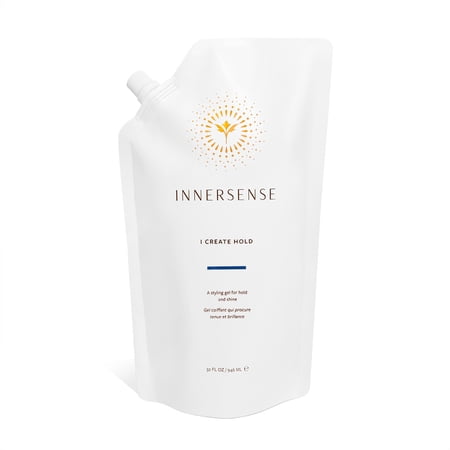
Innersense I Create Hold Styling Gel
At a glance
Summary
The Innersense I Create Hold Styling Gel contains several beneficial ingredients such as aloe vera gel, glycerin, and chamomile extract, which are known for their moisturizing and soothing properties. However, the presence of synthetic polymers like hydroxyethylcellulose and alkyl acrylate crosspolymer, along with preservatives such as sodium benzoate and potassium sorbate, indicates a moderate level of processing. While these ingredients are generally considered safe, they slightly detract from the overall natural profile of the product. Its plastic packaging can shed microplastics into the product and lowers its score.
Key ingredients 20
Aloe Barbadensis GelVery Good
Aloe vera gel is known for its soothing and moisturizing properties. It is often used to calm irritated skin and provide hydration.
Risks
There are minimal risks associated with aloe vera, though some individuals may experience allergic reactions.
Benefits
Aloe vera gel can help soothe and hydrate the skin, making it beneficial in hair and skin care products.
Chamomilla Recutita (Matricaria) Flower ExtractVery Good
Chamomile extract is known for its soothing and anti-inflammatory properties. It is often used to calm irritated skin and reduce redness.
Risks
There are minimal risks, though some individuals may experience allergic reactions.
Benefits
It helps to soothe and calm the skin, making it beneficial for sensitive skin types.
Honey ExtractVery Good
Honey extract is known for its moisturizing and antibacterial properties. It is often used to hydrate and protect the skin.
Risks
There are minimal risks, though some individuals may experience allergic reactions.
Benefits
It helps to moisturize the skin and provide antibacterial protection.
GluconolactoneGood
Gluconolactone is a polyhydroxy acid that provides gentle exfoliation and hydration. It is suitable for sensitive skin types.
Risks
There are minimal risks, though overuse can lead to mild irritation.
Benefits
It offers gentle exfoliation and hydration, improving skin texture and moisture levels.
Citrus Aurantium Dulcis Peel OilGood
Orange peel oil is known for its refreshing scent and potential antioxidant properties. It is often used for its fragrance and skin benefits.
Risks
In some cases, it can cause photosensitivity or allergic reactions.
Benefits
It provides a pleasant fragrance and may offer antioxidant benefits to the skin.
Caprylic/Capric TriglycerideGood
Caprylic/capric triglyceride is an emollient derived from coconut oil and glycerin. It is used to moisturize and condition the skin.
Risks
There are minimal risks, though it may cause breakouts in acne-prone skin.
Benefits
It provides lightweight moisture and helps to improve the texture of the skin.
GlycerinGood
Glycerin is a humectant that attracts moisture to the skin, helping to keep it hydrated. It is widely used in cosmetics for its moisturizing properties.
Risks
There are minimal risks, though excessive use can lead to a sticky feeling.
Benefits
It helps to maintain skin hydration and improve the texture of the skin.
Eucalyptus Globulus Leaf ExtractGood
Eucalyptus leaf extract is known for its antimicrobial and refreshing properties. It is often used for its fragrance and potential skin benefits.
Risks
In some cases, it can cause skin irritation or allergic reactions.
Benefits
It provides a refreshing scent and may offer antimicrobial benefits to the skin.
Ginkgo Biloba Leaf ExtractGood
Ginkgo biloba extract is known for its antioxidant properties and potential to improve skin health. It is often used to protect the skin from environmental stressors.
Risks
There are minimal risks, though some individuals may experience allergic reactions.
Benefits
It helps to protect the skin from oxidative stress and improve overall skin health.
Aspalathus Linearis Leaf ExtractGood
Rooibos extract is known for its antioxidant and anti-inflammatory properties. It is often used to soothe and protect the skin.
Risks
There are minimal risks, though some individuals may experience allergic reactions.
Benefits
It helps to soothe the skin and protect it from environmental damage.
Water/Aqua/EAUNeutral
Water is a common solvent used in cosmetics to dissolve other ingredients. It does not provide direct benefits or risks in this formulation.
Risks
There are no known risks associated with water in cosmetics.
Benefits
Water helps to hydrate and dissolve other beneficial ingredients in the product.
HydroxyethylcelluloseNeutral
Hydroxyethylcellulose is a thickening agent used to improve the texture of cosmetic products. It is generally considered safe and non-irritating.
Risks
There are no significant risks associated with hydroxyethylcellulose in cosmetics.
Benefits
It helps to stabilize and thicken formulations, enhancing the product's application.
Maltodextrin CopolymerNeutral
Maltodextrin copolymer is used as a film-forming agent in cosmetics. It helps to create a smooth texture and improve product adherence.
Risks
There are no known significant risks associated with maltodextrin copolymer in cosmetics.
Benefits
It enhances the texture and performance of the product by forming a film on the hair or skin.
Potassium HydroxideNeutral
Potassium hydroxide is used to adjust the pH of cosmetic formulations. It is effective in small concentrations but can be irritating in higher amounts.
Risks
In high concentrations, it can cause skin irritation, but it is typically used in safe amounts in cosmetics.
Benefits
It helps to maintain the stability and effectiveness of the product by balancing its pH.
Calcium GluconateNeutral
Calcium gluconate is used as a skin-conditioning agent in cosmetics. It is generally considered safe and non-irritating.
Risks
There are no significant risks associated with calcium gluconate in cosmetics.
Benefits
It can help to improve skin texture and hydration.
Alkyl Acrylate CrosspolymerNeutral
Alkyl acrylate crosspolymer is used as a thickening and stabilizing agent in cosmetics. It helps to improve the texture and consistency of products.
Risks
There are no significant risks associated with alkyl acrylate crosspolymer in cosmetics.
Benefits
It enhances the texture and stability of the product, improving its application.
Sodium PhytateNeutral
Sodium phytate is used as a chelating agent in cosmetics to improve the stability of formulations. It is considered safe and non-irritating.
Risks
There are no significant risks associated with sodium phytate in cosmetics.
Benefits
It helps to stabilize the product by binding metal ions that could otherwise cause spoilage.
Sodium BenzoateBad
Synthetic preservative that can form benzene in the presence of vitamin C.
Risks
In rare cases, it can cause skin irritation or allergic reactions.
Benefits
It helps to extend the shelf life of the product by preventing microbial contamination.
Potassium SorbateBad
Synthetic preservative — flagged in daily-use products.
Risks
In rare cases, it can cause skin irritation or allergic reactions.
Benefits
It helps to extend the shelf life of the product by preventing microbial contamination.
LimoneneBad
Processed additive flagged under Scout's ingredient doctrine.
Risks
In some cases, it can cause skin irritation or allergic reactions.
Benefits
It provides a refreshing citrus scent to the product.
Get the full breakdown in the Scout appTake Scout shopping
Scan any product to see lab results, healthy alternatives, and your personalized analysis.
Are you Innersense? Fix an error Get the badge Get tested
Amazon pricing & content
Amazon price as of . Product prices and availability are accurate as of the date/time indicated and are subject to change. Any price and availability information displayed on Amazon.com at the time of purchase will apply to the purchase of this product.
CERTAIN CONTENT THAT APPEARS ON THIS SITE COMES FROM AMAZON. THIS CONTENT IS PROVIDED “AS IS” AND IS SUBJECT TO CHANGE OR REMOVAL AT ANY TIME.