


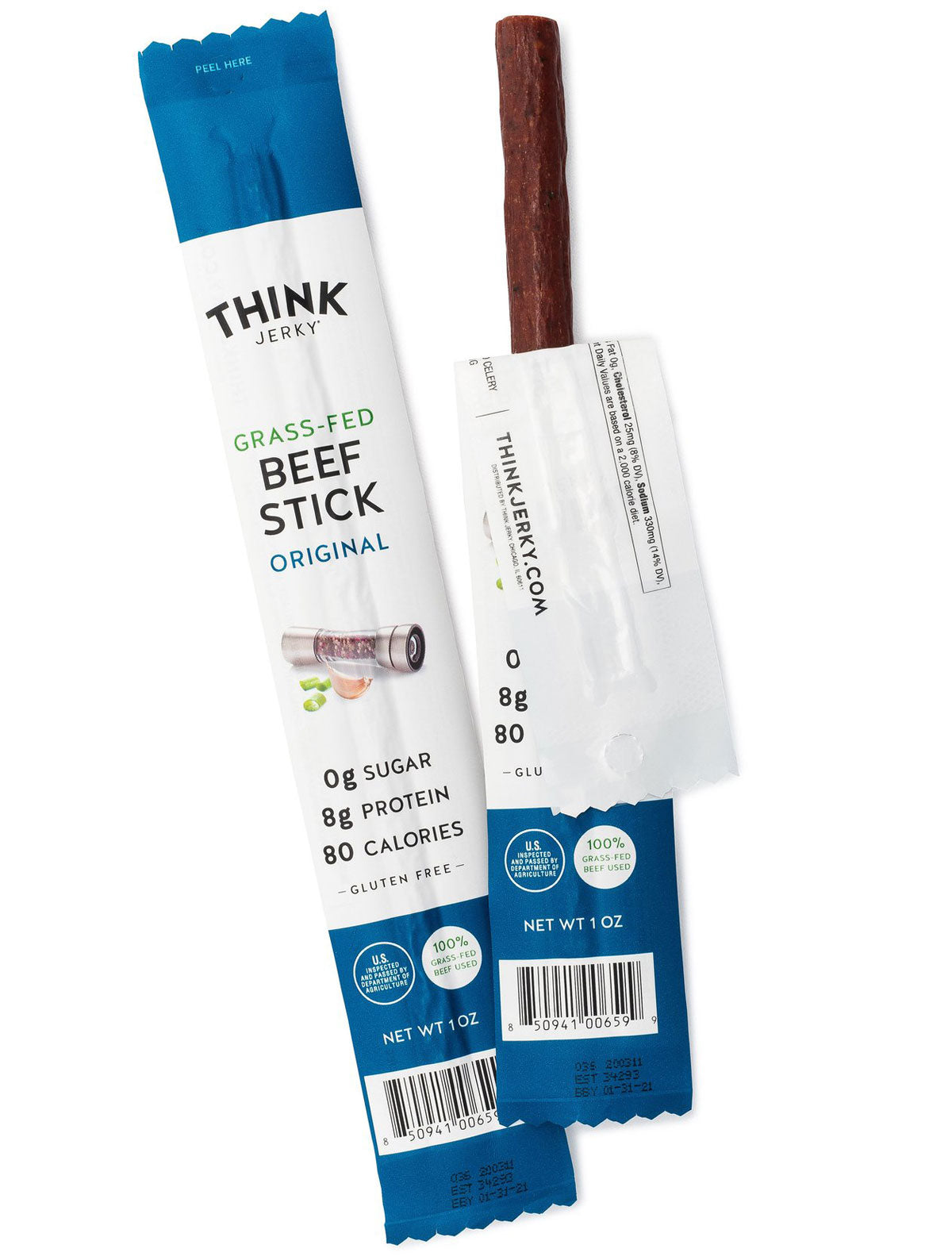


At a glance
Summary
This beef jerky contains high-quality protein from beef and beneficial ingredients like tomato paste and red wine vinegar, which provide antioxidants and aid digestion. However, the product is processed and contains a significant amount of added sugars from brown sugar and honey, which can lead to blood sugar spikes and weight gain. The high sugar content and processing level limit its healthiness compared to less processed options.
Key ingredients 9
BeefGood
Beef is a high-quality source of complete protein, providing essential amino acids necessary for muscle repair and growth. It is rich in vitamins and minerals such as iron, zinc, and B vitamins. Grass-fed beef is preferred for its higher omega-3 content and better fat profile.
Risks
Excessive consumption of red meat has been linked to increased risk of certain health issues, such as heart disease and colorectal cancer.
Benefits
Provides a rich source of protein and essential nutrients, supporting muscle health and overall nutrition.
Tomato PasteGood
Tomato paste is a concentrated source of tomatoes, providing lycopene, an antioxidant linked to reduced risk of chronic diseases. It is minimally processed and retains many of the nutrients found in fresh tomatoes. The addition of citric acid helps preserve its color and flavor.
Benefits
Rich in antioxidants like lycopene, which may support heart health and reduce inflammation.
HoneyGood
Traditional whole-food sweetener with trace enzymes and antioxidants.
Risks
Excessive consumption can lead to weight gain and increased blood sugar levels.
Benefits
Contains antioxidants and has antimicrobial properties, offering some health benefits over refined sugars.
Red Wine VinegarGood
Red wine vinegar is a fermented product that contains acetic acid, which may aid in digestion and blood sugar control. It is a natural preservative and flavor enhancer. The fermentation process retains some antioxidants from the red wine.
Benefits
May support digestion and blood sugar regulation due to its acetic acid content.
WaterNeutral
Water is used as a solvent and processing aid in food production. It does not contribute any calories or nutrients to the product. Its presence is essential for texture and consistency in many food products.
See more about Water →Apricot Puree ConcentrateNeutral
Apricot puree concentrate is a natural fruit ingredient that provides some vitamins and minerals. It is used for flavor and sweetness but is concentrated, which increases its sugar content. The processing reduces some of the fiber content found in whole apricots.
Risks
High sugar content can contribute to increased calorie intake and blood sugar levels.
Benefits
Provides natural sweetness and some vitamins, such as vitamin A and C.
SaltNeutral
Salt is used as a seasoning and preservative in food products. It is essential for maintaining fluid balance and nerve function in the body. However, excessive intake can lead to high blood pressure and cardiovascular issues.
Risks
High sodium intake is associated with increased risk of hypertension and cardiovascular diseases.
Benefits
Essential for fluid balance and nerve function, but should be consumed in moderation.
MolassesNeutral
Molasses is a byproduct of sugar refining that contains some vitamins and minerals, such as iron and calcium. It adds a rich flavor and color to foods. Despite its nutrient content, it is still a form of sugar and should be consumed in moderation.
Risks
High sugar content can contribute to weight gain and increased blood sugar levels.
Benefits
Provides trace amounts of minerals like iron and calcium, offering slightly more nutritional value than refined sugar.
Brown SugarBad
Brown sugar is a refined sugar that contributes to increased calorie intake without providing significant nutritional benefits. It can lead to spikes in blood sugar levels and contribute to weight gain if consumed in excess. The presence of molasses gives it a slightly higher mineral content than white sugar, but this is negligible.
Risks
High consumption of refined sugars is associated with obesity, type 2 diabetes, and dental cavities.
Processing
Processed Foods
Get the full breakdown in the Scout appTake Scout shopping
Scan any product to see lab results, healthy alternatives, and your personalized analysis.
Download on theApp Store GET IT ONGoogle Play