
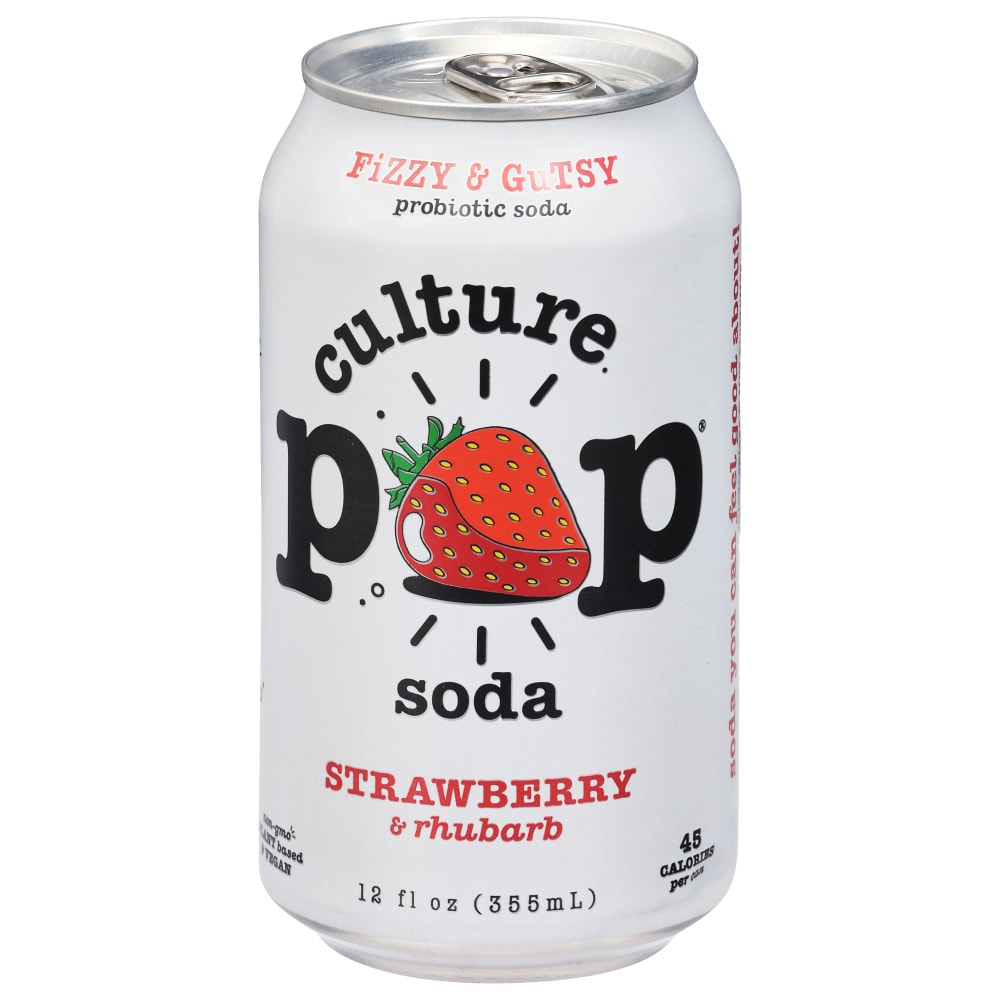


Culture Pop Soda Strawberry And Rhubarb Soda
Analysis updated July 2026 · How Scout scores
At a glance
Summary
This soda contains a blend of organic fruit juices, which provide natural sugars and some vitamins, contributing positively to its nutritional profile. However, the presence of 'natural flavors' introduces a level of processing and lack of transparency regarding ingredient origins. Despite being processed, the use of organic ingredients and absence of artificial additives help maintain a relatively high score.
Key ingredients 9
StrawberryVery Good
Strawberries are rich in vitamin C, antioxidants, and fiber, offering numerous health benefits. They are known for their anti-inflammatory properties and ability to improve heart health. The natural sugars in strawberries provide sweetness without the need for added sugars.
Benefits
High in vitamin C and antioxidants, promoting overall health and wellness.
OrangeVery Good
Oranges are an excellent source of vitamin C and other antioxidants, which support immune function and skin health. The natural sugars and fibers in oranges contribute to a balanced nutritional profile. The juice retains most of these benefits, even when used in concentrates.
Benefits
Rich in vitamin C and antioxidants, supporting immune health.
Organic Juice Blend From ConcentrateGood
Organic juice blend from concentrate provides natural fruit sugars and some vitamins, contributing to the flavor and nutritional profile of the beverage. Being organic, it is free from synthetic pesticides and fertilizers, enhancing its health appeal. The concentration process may reduce some nutrient content, but it retains the essence of the fruits used.
Risks
Excessive consumption may contribute to high sugar intake.
Benefits
Provides natural fruit sugars and some vitamins, enhancing the beverage's nutritional profile.
White GrapeGood
White grape juice is a natural source of sugars and antioxidants, contributing to the sweetness and health benefits of the beverage. It contains polyphenols, which have been linked to heart health benefits. The juice is typically processed to remove solids, retaining its beneficial compounds.
Risks
High sugar content may pose a risk if consumed in excess.
Benefits
Rich in antioxidants and polyphenols, supporting heart health.
RhubarbGood
Rhubarb is a low-calorie vegetable that provides fiber and vitamin K, contributing to digestive health and bone strength. It adds a tart flavor to the beverage, enhancing its taste profile. The processing of rhubarb for beverages typically retains its nutritional benefits.
Benefits
Provides fiber and vitamin K, supporting digestive and bone health.
Sea SaltGood
Beneficial ingredient — whole-food or functional value in this product class.
Risks
Excessive sodium intake can lead to hypertension and cardiovascular issues.
Benefits
Contains trace minerals, but in negligible amounts for health impact.
Carbonated Filtered WaterNeutral
Carbonated filtered water is primarily used as a base for beverages, providing effervescence without adding calories or nutrients. It is processed to remove impurities, ensuring a clean and safe ingredient. No significant nutritional benefits or risks are associated with this ingredient.
Citric AcidNeutral
Citric acid is used as a preservative and flavor enhancer, providing a tart taste to the beverage. It is naturally found in citrus fruits and is generally recognized as safe. While it does not offer nutritional benefits, it helps maintain the product's freshness.
Risks
Excessive consumption may cause dental erosion.
Natural FlavorBad
Natural flavors are added to enhance the taste of the beverage but can be derived from complex chemical processes. They often lack transparency, making it difficult to assess their true origin and health impact. While generally recognized as safe, they do not contribute nutritional value.
Risks
Lack of transparency in sourcing and processing may pose concerns for some consumers.
Processing
Processed Foods
Get the full breakdown in the Scout appTake Scout shopping
Scan any product to see lab results, healthy alternatives, and your personalized analysis.
Download on theApp Store GET IT ONGoogle PlayAmazon pricing & content
Amazon price as of . Product prices and availability are accurate as of the date/time indicated and are subject to change. Any price and availability information displayed on Amazon.com at the time of purchase will apply to the purchase of this product.
CERTAIN CONTENT THAT APPEARS ON THIS SITE COMES FROM AMAZON. THIS CONTENT IS PROVIDED “AS IS” AND IS SUBJECT TO CHANGE OR REMOVAL AT ANY TIME.