

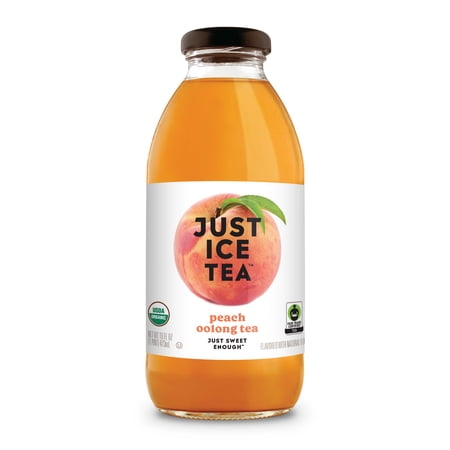
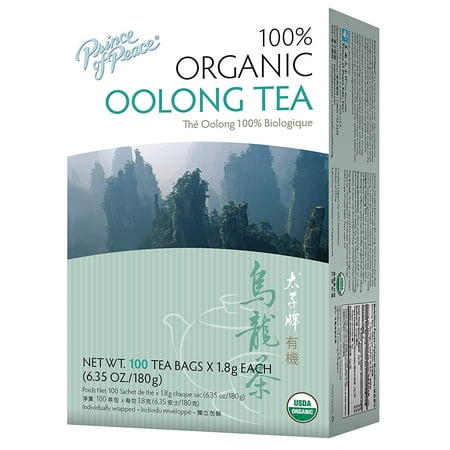


16 fl oz White Peach Oolong Tea
Analysis updated June 2026 · How Scout scores
At a glance
Summary
This white peach oolong tea is made with organic ingredients, including oolong tea, apple juice, and lemon juice, which contribute beneficial antioxidants and vitamins. However, the presence of added organic cane sugar and natural flavors, despite being organic, introduces unnecessary sugars and potential undisclosed additives. The product is also classified as ultra-processed, which limits its score despite the overall clean ingredient list.
Key ingredients 7
Oolong TeaVery Good
Oolong tea is rich in antioxidants, which can help reduce oxidative stress and support overall health. The organic certification ensures minimal pesticide exposure and higher quality. It also contains moderate caffeine levels, providing a gentle energy boost without the jitters.
Benefits
Contains antioxidants that may improve heart health and support weight management.
Apple JuiceGood
Apple juice provides natural sugars and some vitamins, contributing to the beverage's sweetness and flavor. The organic nature ensures reduced pesticide residues and higher quality. It can be a source of hydration and a small amount of vitamin C.
Risks
High in natural sugars, which can contribute to calorie intake if consumed in excess.
Benefits
Provides natural sweetness and a small amount of vitamins and antioxidants.
Lemon JuiceGood
Lemon juice is a natural source of vitamin C and antioxidants, which can support immune function and skin health. The organic certification ensures minimal pesticide exposure. It adds a refreshing flavor and can aid in digestion.
Benefits
Rich in vitamin C and antioxidants, supporting immune health and providing a refreshing taste.
Citric AcidNeutral
Citric acid is used as a preservative and flavor enhancer in beverages. It is generally recognized as safe when consumed in typical amounts found in food. It can enhance the tartness and stability of the product.
Risks
Excessive consumption may cause dental erosion due to its acidic nature.
Natural CaffeineNeutral
Natural caffeine provides a stimulant effect, enhancing alertness and energy levels. The organic source ensures minimal chemical residues. It is a common ingredient in teas and energy drinks for its energizing properties.
Risks
Excessive caffeine intake can lead to insomnia, jitteriness, and increased heart rate.
Benefits
Enhances alertness and provides a mild energy boost.
Cane SugarBad
Cane sugar is a source of added sugars, which can contribute to excessive calorie intake and potential weight gain. Despite being organic, it still poses health risks when consumed in large quantities. It lacks nutritional benefits beyond providing energy.
Risks
Excessive consumption can lead to obesity, type 2 diabetes, and dental issues.
Natural FlavorsBad
Natural flavors can be derived from various sources and may include additives not disclosed on the label. Despite being organic, they can mask the true quality of the product. They are often used to enhance flavor without providing nutritional benefits.
Risks
Potential for undisclosed additives and allergens.
Processing
Ultra-Processed Foods
Get the full breakdown in the Scout appTake Scout shopping
Scan any product to see lab results, healthy alternatives, and your personalized analysis.
Download on theApp Store GET IT ONGoogle PlayAmazon pricing & content
Amazon price as of . Product prices and availability are accurate as of the date/time indicated and are subject to change. Any price and availability information displayed on Amazon.com at the time of purchase will apply to the purchase of this product.
CERTAIN CONTENT THAT APPEARS ON THIS SITE COMES FROM AMAZON. THIS CONTENT IS PROVIDED “AS IS” AND IS SUBJECT TO CHANGE OR REMOVAL AT ANY TIME.