


At a glance
Summary
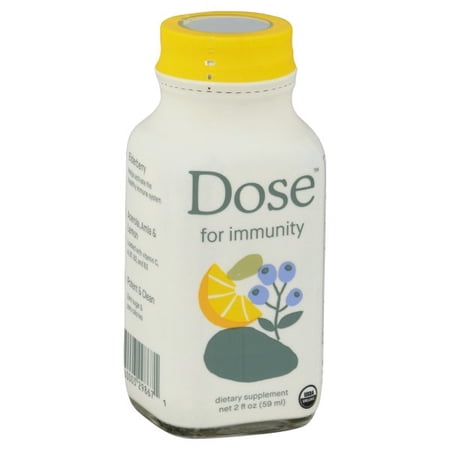
This supplement contains beneficial ingredients like blueberry juice concentrate and calcium citrate, which support immune and bone health. However, the presence of natural flavors raises concerns due to their lack of transparency and potential allergen risks. The product also includes several additives, which contribute to its level of processing, impacting the overall score.
Key ingredients 9
Blueberry Juice ConcentrateGood
Blueberry juice concentrate is a good ingredient due to its high antioxidant content, which supports immune health. It is derived from blueberries through concentration, preserving beneficial compounds. It may enhance the flavor and nutritional profile of the product.
Risks
Excessive consumption may contribute to sugar intake.
Benefits
Rich in antioxidants that may support immune function and overall health.
Calcium CitrateGood
Calcium citrate is a beneficial ingredient as it provides a bioavailable form of calcium, supporting bone health. It is a calcium salt of citric acid, known for its high absorption rate. It is especially useful for individuals with low stomach acid.
Risks
Excessive intake may lead to hypercalcemia or kidney stones.
Benefits
Supports bone health and is easily absorbed by the body.
Purified WaterNeutral
Purified water is a neutral ingredient used as a solvent and carrier in liquid supplements. It undergoes filtration to remove impurities, ensuring safety and quality. It does not contribute any nutritional value or health risks.
See more about Purified Water →XylitolNeutral
Xylitol is a sugar alcohol used as a sweetener, providing sweetness with fewer calories than sugar. It is naturally found in some fruits and vegetables and is considered safe for most people. It does not significantly impact blood sugar levels.
Risks
Excessive consumption may cause digestive discomfort or laxative effects.
Benefits
May help reduce dental cavities and has a lower glycemic index than sugar.
Citric AcidNeutral
Citric acid is a common food additive used to enhance flavor and preserve freshness. It is naturally found in citrus fruits and is generally recognized as safe. It helps maintain the stability and shelf-life of the product.
Risks
May cause irritation or allergic reactions in sensitive individuals.
Benefits
Acts as a preservative and flavor enhancer, contributing to product stability.
Malic AcidNeutral
Malic acid is used to enhance flavor and improve the tartness of products. It is naturally present in many fruits and is considered safe for consumption. It contributes to the overall taste profile without significant health impacts.
Risks
High doses may cause digestive discomfort or irritation.
Benefits
Enhances flavor and provides a tart taste to the product.
Xanthan GumNeutral
Xanthan gum is a thickening agent used to improve texture and stability in liquid products. It is produced by fermenting sugars with Xanthomonas campestris bacteria. It is generally recognized as safe and does not contribute significant nutritional value.
Risks
May cause digestive issues in large amounts for sensitive individuals.
Benefits
Improves texture and stability of the product without adding calories.
Stevia Leaf ExtractNeutral
Stevia leaf extract is a natural sweetener derived from the Stevia rebaudiana plant, providing sweetness without calories. It is considered safe and does not affect blood sugar levels. It is a popular alternative to artificial sweeteners.
Benefits
Provides sweetness without calories, making it suitable for low-calorie diets.
Natural FlavorsBad
Natural flavors are often criticized for their lack of transparency and potential to contain a wide range of chemical compounds. They are used to enhance taste but do not provide nutritional benefits. The exact composition is usually proprietary, raising concerns about allergens and sensitivities.
Risks
Potential allergens and sensitivities due to undisclosed ingredients.
Processing
Ultra-Processed Foods
Get the full breakdown in the Scout appTake Scout shopping
Scan any product to see lab results, healthy alternatives, and your personalized analysis.
Download on theApp Store GET IT ONGoogle Play