
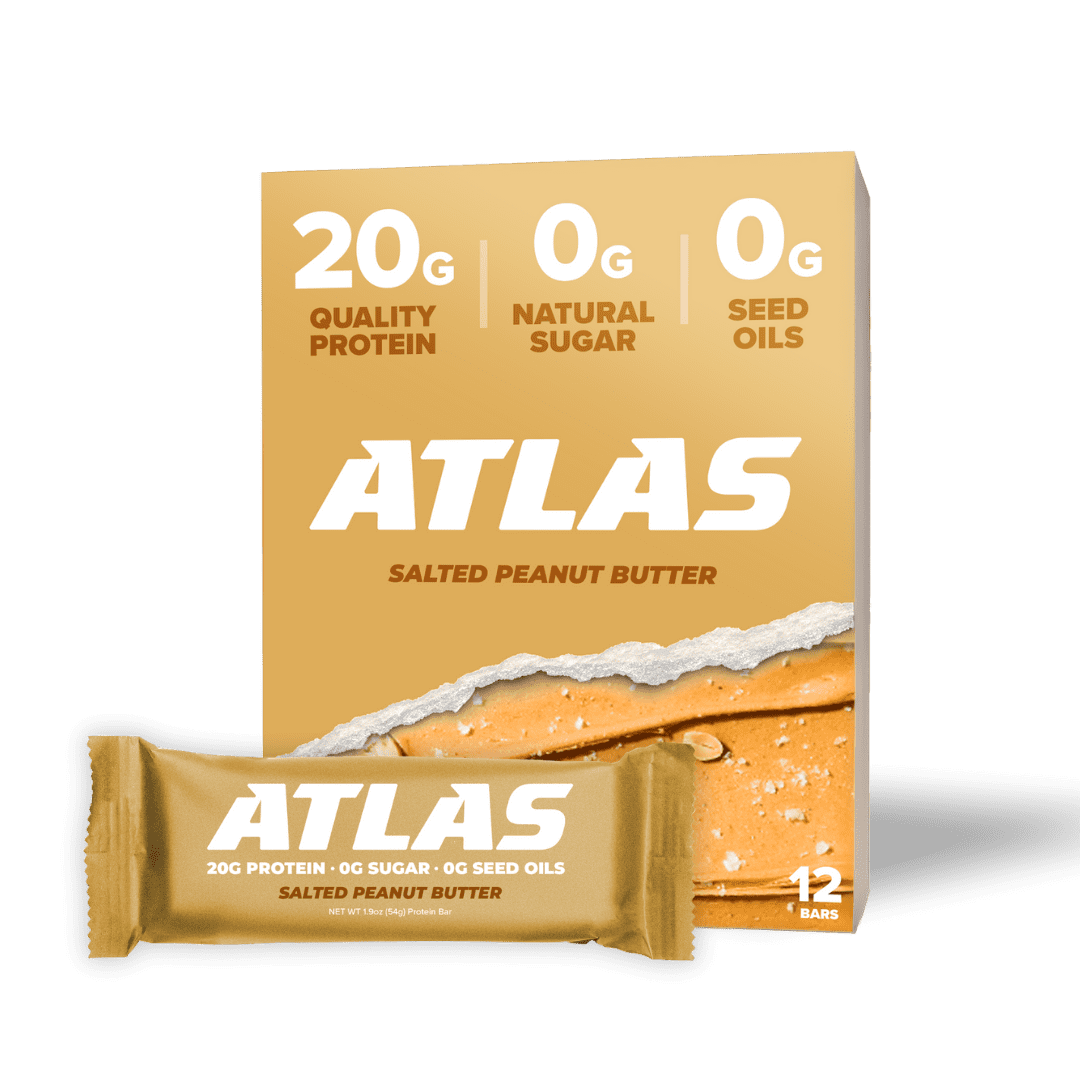
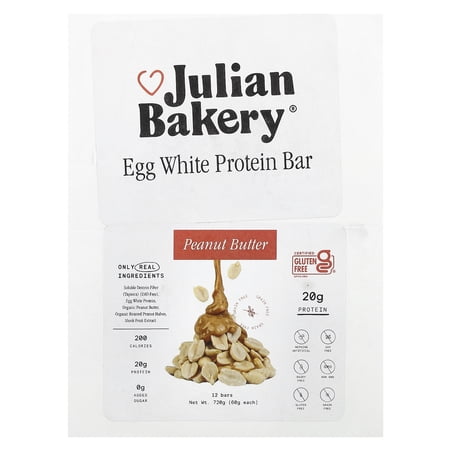
Atlas salted peanut butter Bar
Analysis updated June 2026 · How Scout scores
At a glance
Summary
The Atlas salted peanut butter bar contains a relatively short ingredient list with peanut butter as a beneficial component, providing healthy fats and protein. However, the presence of sunflower lecithin, a processed seed oil derivative, and the overall processing level limit its score. While it avoids major harmful additives, the processing level and inclusion of a seed oil derivative prevent it from achieving a higher rating.
Key ingredients 4
Peanut ButterGood
Peanut butter is a nutrient-dense food rich in healthy fats and protein. It provides essential vitamins and minerals such as vitamin E, magnesium, and potassium. The natural oils in peanuts support heart health and provide a good source of energy.
Risks
Potential allergen for individuals with peanut allergies.
Benefits
Rich in monounsaturated fats and protein, supporting heart health and muscle maintenance.
Tapioca FiberNeutral
Tapioca fiber is a soluble fiber derived from the cassava root. It is used to improve texture and add fiber content to foods. While it aids in digestion, it does not provide significant nutritional benefits beyond fiber.
Benefits
Provides dietary fiber which can aid in digestion and promote a feeling of fullness.
Vegetable GlycerineNeutral
Vegetable glycerine is a sugar alcohol used as a sweetener and humectant. It is derived from plant oils and is generally considered safe. It helps retain moisture in food products but does not offer significant nutritional benefits.
Risks
Excessive consumption may cause digestive discomfort.
Benefits
Helps maintain moisture in food products, contributing to texture and shelf life.
Sunflower LecithinBad
Sunflower lecithin is an emulsifier derived from sunflower seeds. It is used to improve texture and mixability in food products. However, as a processed seed oil derivative, it may contribute to an imbalance of omega-6 fatty acids when consumed in excess.
Risks
High omega-6 content may promote inflammation when consumed in excess.
Benefits
Acts as an emulsifier, improving texture and consistency in food products.
Processing
Processed Foods
Get the full breakdown in the Scout appTake Scout shopping
Scan any product to see lab results, healthy alternatives, and your personalized analysis.
Download on theApp Store GET IT ONGoogle PlayAmazon pricing & content
Amazon price as of . Product prices and availability are accurate as of the date/time indicated and are subject to change. Any price and availability information displayed on Amazon.com at the time of purchase will apply to the purchase of this product.
CERTAIN CONTENT THAT APPEARS ON THIS SITE COMES FROM AMAZON. THIS CONTENT IS PROVIDED “AS IS” AND IS SUBJECT TO CHANGE OR REMOVAL AT ANY TIME.