


At a glance
Summary
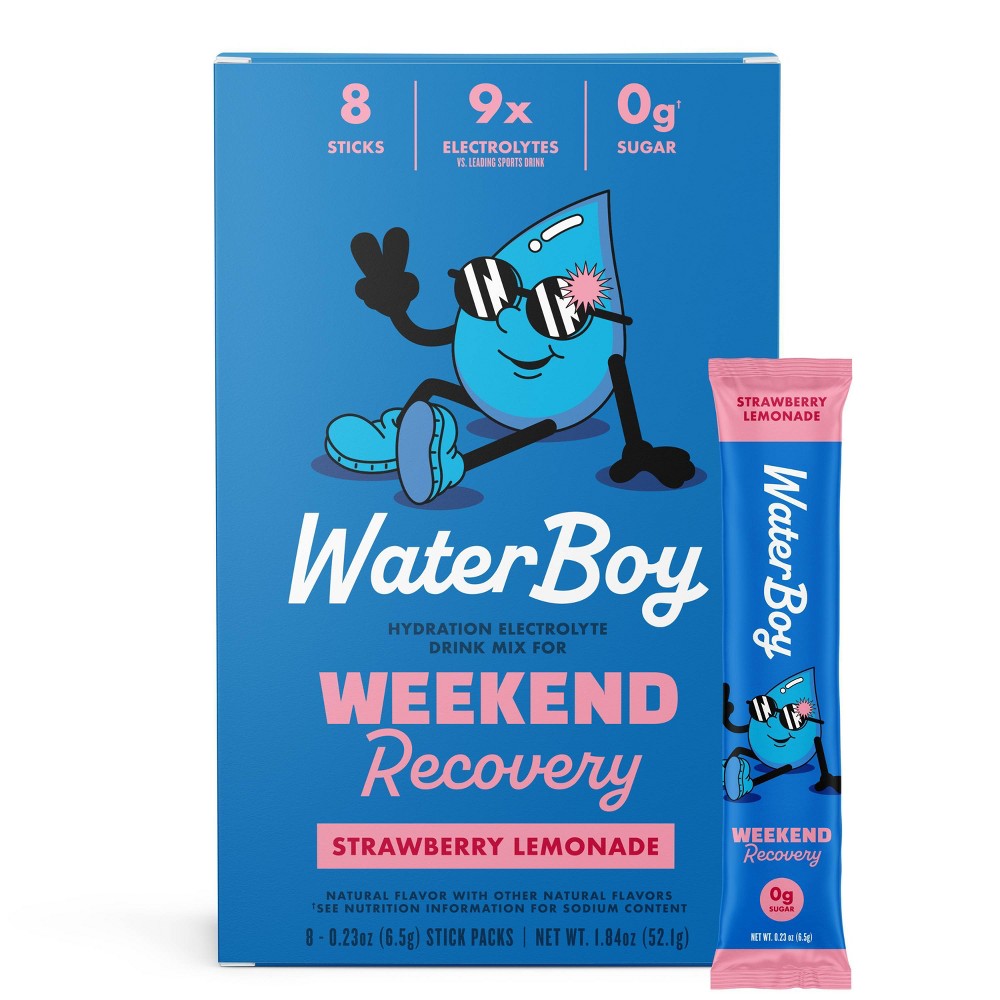
This strawberry lemonade contains beneficial ingredients like Vitamin C, magnesium citrate, and ginger root extract, which contribute to its nutritional value. However, the presence of 'natural flavors' and the processed nature of the product slightly detract from its overall healthiness. Despite these concerns, the absence of artificial sweeteners, dyes, and seed oils helps maintain a relatively high score.
Key ingredients 11
Vitamin CVery Good
Vitamin C is a powerful antioxidant that supports immune function and skin health. It is essential for collagen synthesis and acts as a natural preservative in foods. The ascorbic acid form is highly bioavailable and effective.
Benefits
Boosts immune function and acts as an antioxidant.
Magnesium CitrateGood
Magnesium citrate is a highly absorbable form of magnesium that supports muscle and nerve function. It is often used to prevent magnesium deficiency and improve digestive health. The citrate form is well-tolerated and effective.
Risks
Excessive intake can cause diarrhea and gastrointestinal discomfort.
Benefits
Supports muscle and nerve function and aids in digestion.
L-Theanine PowderGood
L-Theanine is an amino acid found in tea leaves that promotes relaxation without drowsiness. It is known for its calming effects and ability to enhance focus and cognitive performance. It is often used in beverages for its stress-reducing properties.
Benefits
Promotes relaxation and enhances cognitive performance.
Ginger Root ExtractGood
Ginger root extract is known for its anti-inflammatory and antioxidant properties. It is often used to aid digestion and reduce nausea. The extract form retains the beneficial compounds found in fresh ginger.
Benefits
Supports digestion and has anti-inflammatory properties.
Vitamin B12Good
Vitamin B12 is essential for nerve function and the production of DNA and red blood cells. The methylcobalamin form is highly bioavailable and effective. It is crucial for energy metabolism and neurological health.
Benefits
Supports nerve function and energy metabolism.
Pink Himalayan SaltNeutral
Pink Himalayan salt is a mineral-rich salt that is often considered a healthier alternative to regular table salt. It contains trace minerals like magnesium and potassium, but these are present in very small amounts. The processing of this salt is minimal, retaining its natural mineral content.
Risks
Excessive consumption of any salt can lead to high blood pressure and cardiovascular issues.
Benefits
Provides trace minerals that are not present in regular table salt.
Citric AcidNeutral
Citric acid is a natural acid found in citrus fruits and is used as a preservative and flavor enhancer. It is generally recognized as safe and is commonly used in food processing. It can enhance the flavor profile of beverages by adding a tart taste.
Risks
In large amounts, citric acid can cause tooth enamel erosion.
Benefits
Acts as a natural preservative and enhances flavor.
Potassium CitrateNeutral
Potassium citrate is used to regulate acidity and as a potassium supplement. It is generally safe and can help maintain electrolyte balance. It is often used in beverages to enhance mineral content.
Risks
Excessive intake can lead to hyperkalemia, a condition with elevated potassium levels in the blood.
Benefits
Helps maintain electrolyte balance and supports heart health.
Organic Stevia Leaf ExtractNeutral
Stevia is a natural, zero-calorie sweetener derived from the leaves of the Stevia plant. It is used as a sugar substitute and is considered safe for consumption. The organic form indicates minimal processing and absence of synthetic pesticides.
Benefits
Provides sweetness without calories or significant health concerns.
Vegetable JuiceNeutral
Vegetable juice is used for natural coloring and may provide some vitamins and minerals. It is a natural alternative to artificial dyes. The nutritional content depends on the vegetables used.
Benefits
Provides natural color and may contain some nutrients.
Natural FlavorsBad
Natural flavors are a catch-all term for flavoring agents derived from natural sources but can be highly processed. The lack of transparency in what constitutes 'natural flavors' can be concerning for consumers seeking clean labels. They are often used to enhance taste without adding nutritional value.
Risks
Potential allergens and unknown additives may be present under this label.
Processing
Processed Foods
Get the full breakdown in the Scout appTake Scout shopping
Scan any product to see lab results, healthy alternatives, and your personalized analysis.
Download on theApp Store GET IT ONGoogle Play