



At a glance
Summary
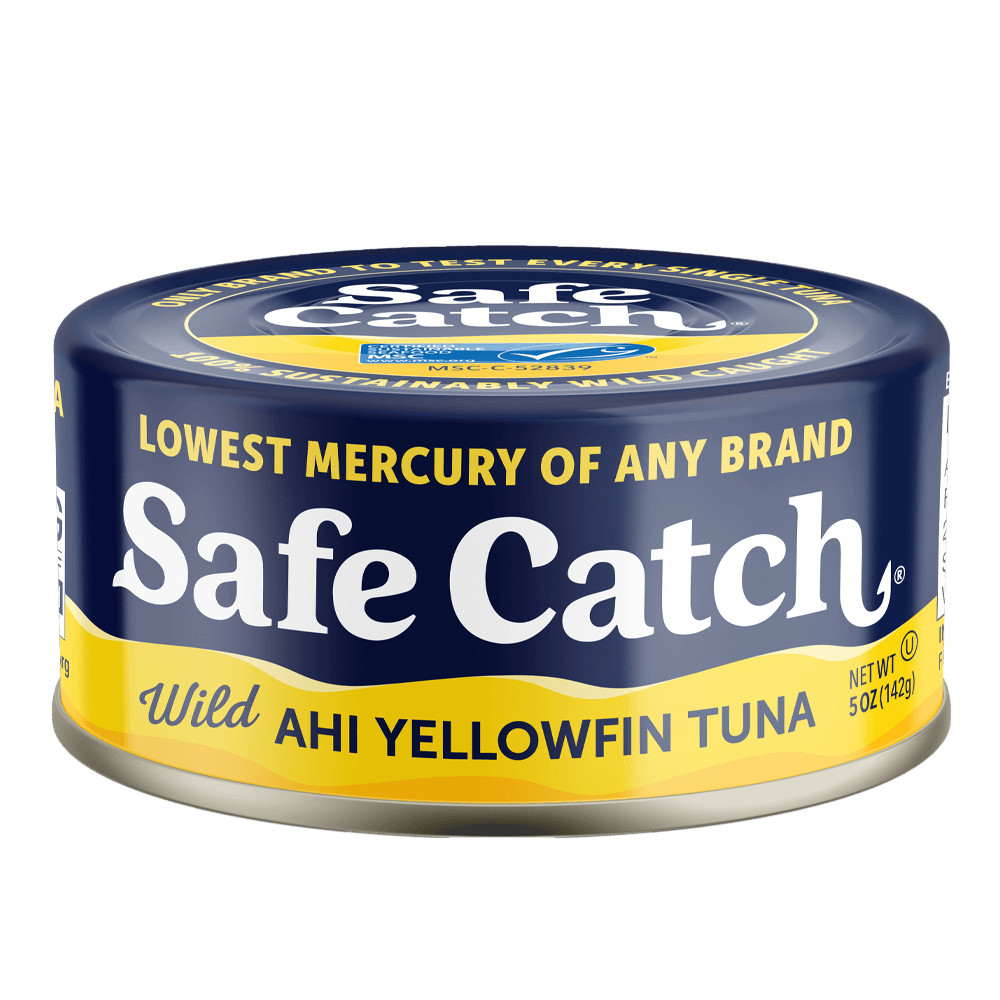
This product contains high-quality ingredients like yellowfin tuna, flying fish roe, and sesame oil, which provide beneficial nutrients and healthy fats. However, the presence of grapeseed oil, a seed oil high in omega-6 fatty acids, introduces a negative aspect due to its processing and potential health concerns. The product is processed, which limits its score despite the overall quality of the ingredients.
Key ingredients 9
Yellowfin TunaGood
Yellowfin tuna is a high-quality source of protein and omega-3 fatty acids. It is minimally processed, retaining its nutritional benefits. The use of tasteless smoke for color retention is a mild processing method.
Risks
Potential mercury content is a concern with frequent consumption.
Benefits
Rich in protein and omega-3 fatty acids, supporting heart and brain health.
Flying Fish RoeGood
Flying fish roe is a nutrient-dense ingredient providing essential fatty acids and vitamins. It is a natural product with minimal processing. The roe adds a unique flavor and texture to dishes.
Risks
May contain high levels of sodium and cholesterol.
Benefits
Provides essential fatty acids and vitamins, contributing to a balanced diet.
Sesame OilGood
Sesame oil is a source of healthy fats, particularly monounsaturated and polyunsaturated fats. It is often cold-pressed, preserving its nutritional properties. The oil adds a distinct flavor to dishes.
Risks
High in calories and should be consumed in moderation.
Benefits
Contains healthy fats that support heart health and provide anti-inflammatory benefits.
Kukui NutsGood
Kukui nuts are rich in healthy fats and antioxidants. They are minimally processed and provide a unique flavor and texture. The nuts are a traditional food with cultural significance.
Risks
Potential allergen for individuals with nut allergies.
Benefits
Rich in healthy fats and antioxidants, supporting overall health.
Sesame SeedsGood
Sesame seeds are a good source of fiber, healthy fats, and minerals. They are minimally processed and retain their nutritional benefits. The seeds add texture and flavor to dishes.
Risks
Potential allergen for individuals with seed allergies.
Benefits
Provide fiber, healthy fats, and minerals, supporting digestive and heart health.
Sea SaltGood
Sea salt is a natural source of sodium and trace minerals. It is minimally processed, retaining its mineral content. The salt enhances flavor without the need for artificial additives.
Risks
Excessive consumption can lead to high blood pressure.
Benefits
Provides essential minerals and enhances flavor naturally.
Soy SauceNeutral
Soy sauce is a fermented product that adds umami flavor to dishes. It contains sodium and is made from soybeans, wheat, and salt. The fermentation process enhances its flavor profile.
Risks
High sodium content can contribute to hypertension if consumed in excess.
Benefits
Adds depth of flavor and contains some beneficial compounds from fermentation.
Red Chili Pepper FlakesNeutral
Red chili pepper flakes add heat and flavor to dishes. They are a natural ingredient with minimal processing. The capsaicin in chili peppers may have metabolic benefits.
Risks
Can cause irritation or discomfort in sensitive individuals.
Benefits
May boost metabolism and add flavor without calories.
Vegetable Oil With HorseradishBad
Contains grapeseed oil, a seed oil high in omega-6 fatty acids. The processing of seed oils often involves high heat and chemicals. Horseradish adds flavor but does not offset the negative aspects of the oil.
Risks
High omega-6 content may promote inflammation when consumed in excess.
Benefits
Horseradish may provide some antimicrobial properties.
Processing
Processed Foods
Get the full breakdown in the Scout appTake Scout shopping
Scan any product to see lab results, healthy alternatives, and your personalized analysis.
Download on theApp Store GET IT ONGoogle Play