


At a glance
Summary
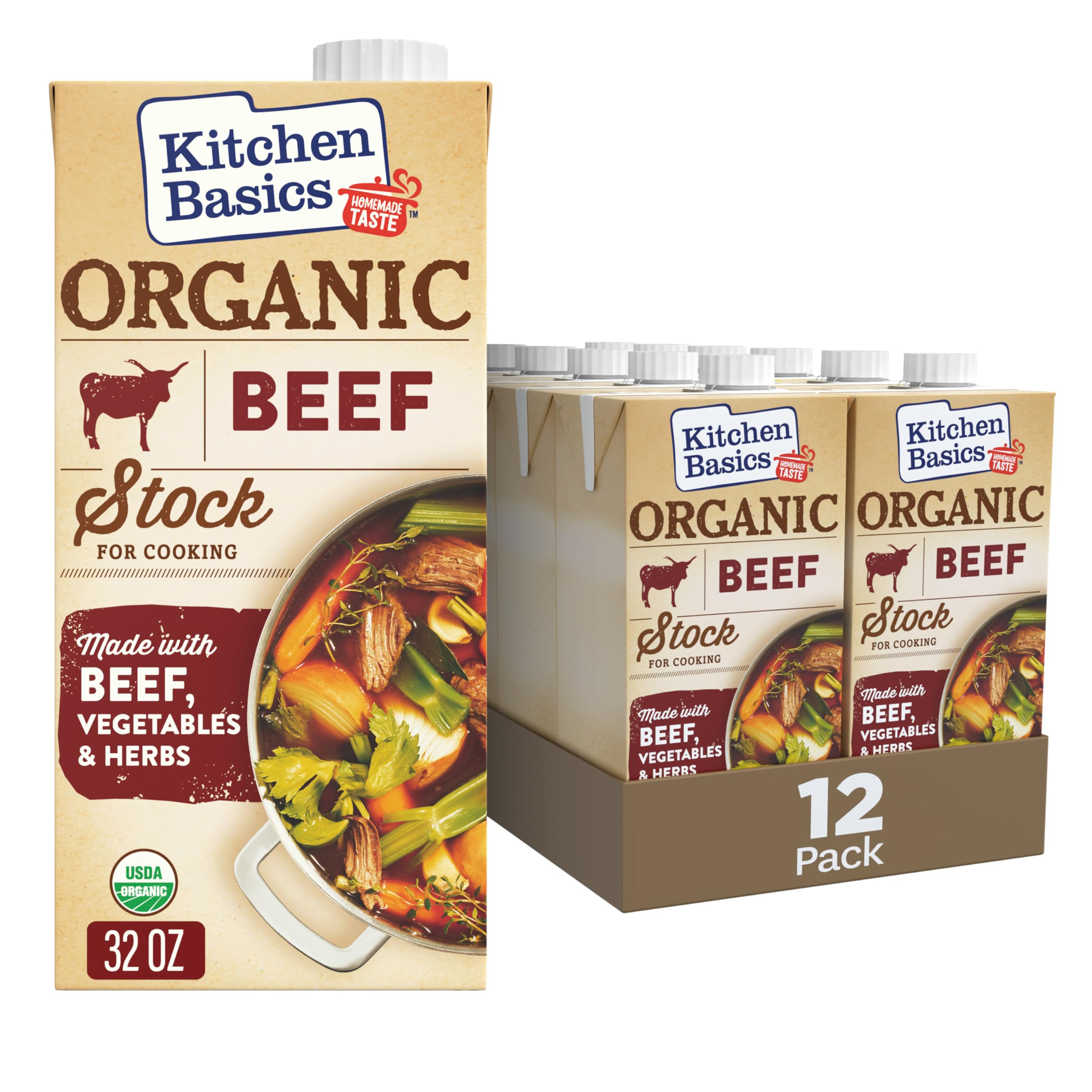
This beef stock is ultra-processed, which limits its potential health score despite having some organic ingredients. While it contains beneficial components like organic beef stock and sea salt, it also includes additives such as caramel color and natural flavors, which are typically used for aesthetic and flavor enhancement rather than nutritional value. The presence of these additives and the level of processing contribute to a moderate score.
Key ingredients 9
Organic beef flavored stockGood
Organic beef flavored stock is a high-quality ingredient providing natural beef flavor. Being organic, it is free from synthetic pesticides and fertilizers. It enhances the taste of dishes while being minimally processed.
Benefits
Provides a rich, natural beef flavor and is free from synthetic additives due to its organic nature.
Sea saltGood
Sea salt is a minimally processed source of sodium and trace minerals. It is often preferred for its natural mineral content compared to refined table salt. It enhances flavor without the need for artificial additives.
Risks
Excessive consumption of sodium can lead to high blood pressure and cardiovascular issues.
Benefits
Contains trace minerals that can be beneficial for health when consumed in moderation.
Organic onion powderGood
Organic onion powder provides flavor and potential health benefits due to its antioxidant properties. Being organic, it is free from synthetic chemicals. It adds depth to dishes while being a natural ingredient.
Benefits
Rich in antioxidants and enhances flavor naturally.
Organic spiceGood
Organic spice adds flavor and potential health benefits due to its natural compounds. Being organic, it is free from synthetic chemicals and additives. It enhances the taste profile of dishes naturally.
Benefits
Enhances flavor and may provide antioxidant benefits.
Organic evaporated cane juiceNeutral
Organic evaporated cane juice is a less refined form of sugar, retaining some molasses content. It is used as a sweetener but still contributes to sugar intake. Being organic, it is free from synthetic pesticides.
Risks
Excessive sugar consumption can lead to health issues such as obesity and diabetes.
Benefits
Provides sweetness with minimal processing compared to refined sugar.
Xanthan gumNeutral
Xanthan gum is a common food additive used as a thickener and stabilizer. It is produced through fermentation and is generally considered safe. It provides texture and stability to food products.
Risks
May cause digestive issues in some individuals when consumed in large amounts.
Benefits
Improves texture and stability in food products without significant health risks.
Organic caramel colorBad
Organic caramel color is used to enhance the appearance of food products. Despite being organic, caramel color can contain potentially harmful compounds formed during its production. It is primarily an aesthetic additive with no nutritional benefits.
Risks
May contain harmful compounds like 4-MEI, which has been linked to health concerns.
Yeast extractBad
Concentrated glutamate source — MSG-adjacent flavor enhancer.
Risks
May cause reactions in individuals sensitive to glutamates.
Benefits
Enhances flavor naturally without artificial additives.
Organic natural flavorsBad
Organic natural flavors are used to enhance taste but can be a catch-all term for various additives. Despite being organic, they lack transparency and can include a wide range of substances. They offer no nutritional benefits and can be overly processed.
Risks
Lack of transparency can lead to potential allergen exposure or sensitivity reactions.
Processing
Ultra-Processed Foods
Get the full breakdown in the Scout appTake Scout shopping
Scan any product to see lab results, healthy alternatives, and your personalized analysis.
Download on theApp Store GET IT ONGoogle Play