


At a glance
Summary
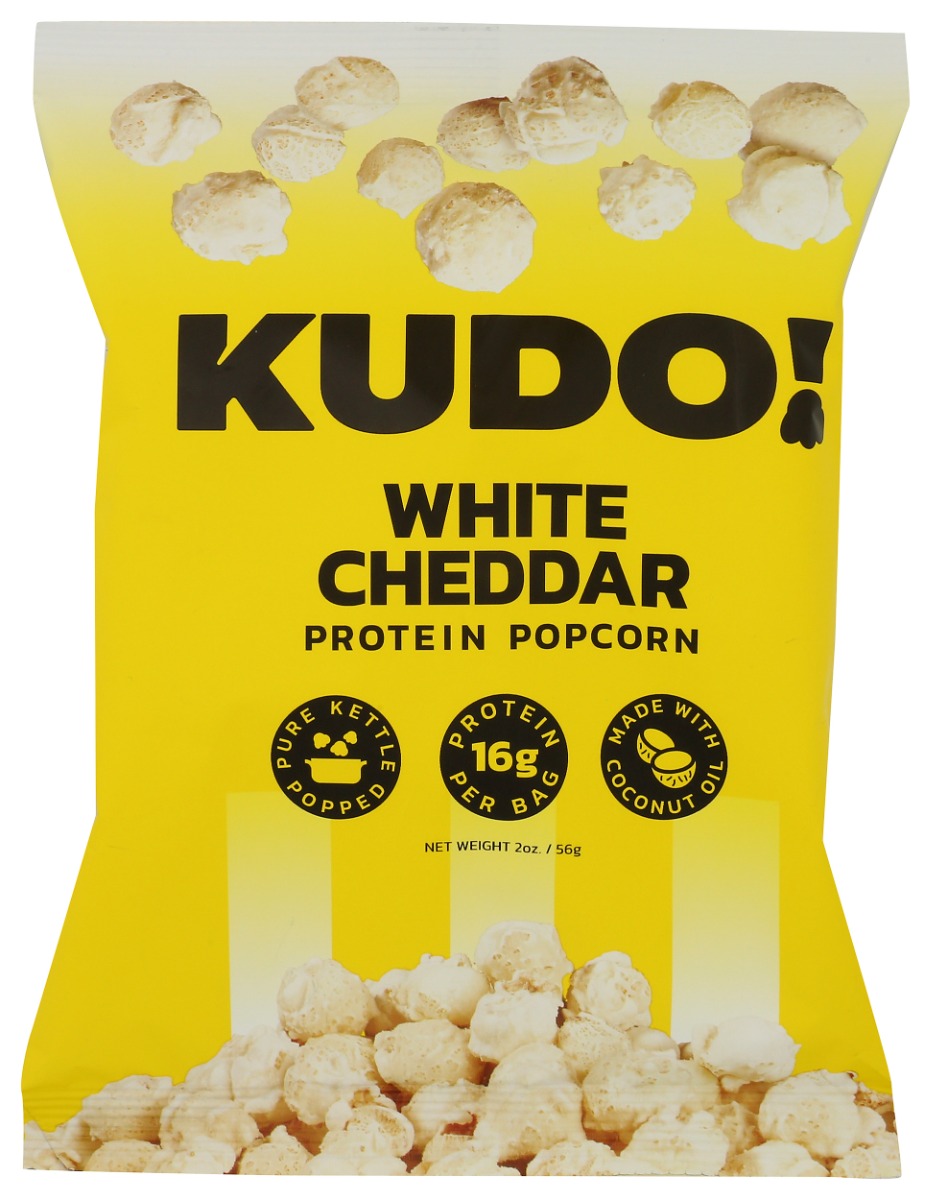
This popcorn product contains high-quality ingredients like whey protein isolate and white cheddar cheese, which provide beneficial nutrients such as protein and calcium. However, it is a processed food with the inclusion of sodium phosphate, a processed additive that can affect kidney function if consumed excessively. The processing level and presence of this additive limit the overall health score.
Key ingredients 9
Whey Protein IsolateVery Good
Whey protein isolate is a high-quality protein source with a complete amino acid profile. It is highly bioavailable and supports muscle repair and growth. It is minimally processed to remove fats and lactose, making it suitable for lactose-intolerant individuals.
Benefits
Excellent source of essential amino acids and supports muscle synthesis and recovery.
White Cheddar CheeseGood
White cheddar cheese provides a rich source of calcium and protein. It is made from milk and contains beneficial fats and vitamins. The cheese-making process involves fermentation, which can enhance nutrient absorption.
Risks
High in saturated fats, which may contribute to heart disease if consumed in excess.
Benefits
Rich in calcium and protein, supporting bone health and muscle maintenance.
Cheese CultureGood
Beneficial ingredient — whole-food or functional value in this product class.
Benefits
May support gut health through probiotic activity.
Pasteurized MilkNeutral
Pasteurized milk is a common dairy ingredient used to provide calcium and vitamin D. The pasteurization process kills harmful bacteria but may reduce some beneficial enzymes. It is a staple in many diets for its nutritional content.
Risks
May cause lactose intolerance symptoms in sensitive individuals.
Benefits
Provides essential nutrients like calcium and vitamin D, supporting bone health.
SaltNeutral
Salt is used to enhance flavor and preserve food. It is a common seasoning but should be consumed in moderation to avoid health issues. Excessive salt intake can lead to hypertension and cardiovascular problems.
Risks
High sodium intake is associated with increased risk of hypertension.
Benefits
Essential for maintaining fluid balance and nerve function.
EnzymesNeutral
Enzymes are used in cheese production to aid in coagulation and flavor development. They are naturally occurring proteins that facilitate biochemical reactions. In cheese, they help break down milk proteins, enhancing texture and taste.
Benefits
Contribute to the development of cheese flavor and texture.
WheyNeutral
Liquid whey as a minor dairy ingredient — benign.
Risks
May cause digestive issues in lactose-intolerant individuals.
Benefits
Supports muscle growth and recovery due to its high-quality protein content.
Butter Milk SolidsNeutral
Buttermilk solids are derived from buttermilk and used to add flavor and texture. They contain lactose and milk proteins, contributing to the nutritional profile. They are often used in processed foods for their creamy texture.
Risks
May cause lactose intolerance symptoms in sensitive individuals.
Benefits
Adds a creamy texture and flavor to foods.
Sodium PhosphateBad
Sodium phosphate is used as an emulsifier and preservative in processed foods. It helps maintain texture and moisture but is a highly processed additive. Excessive consumption can lead to imbalances in phosphate levels, affecting kidney function.
Risks
High intake may lead to kidney damage and imbalances in mineral levels.
Processing
Processed Foods
Get the full breakdown in the Scout appTake Scout shopping
Scan any product to see lab results, healthy alternatives, and your personalized analysis.
Download on theApp Store GET IT ONGoogle Play