



At a glance
Summary
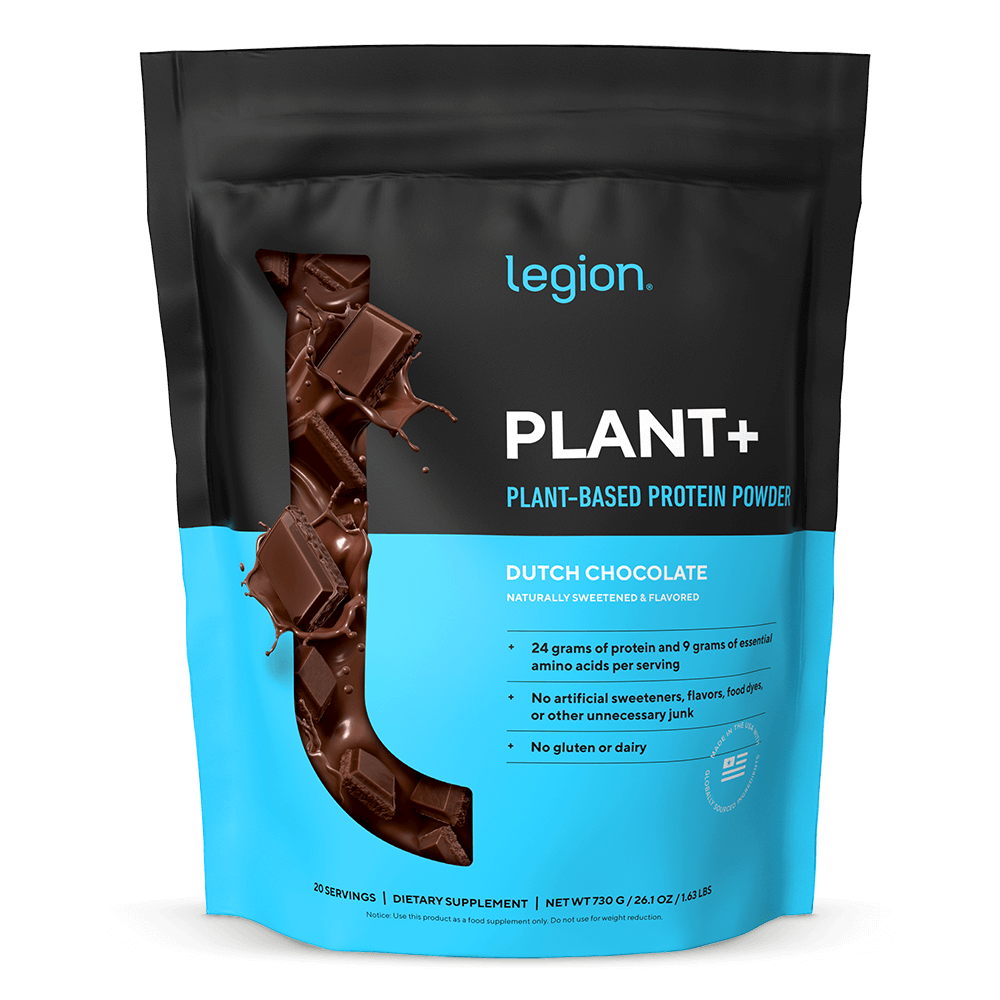
This product contains a mix of beneficial and concerning ingredients. While it includes healthy components like inulin and organic coconut oil, it also relies on pea protein isolate, which is heavily processed and may lack a complete amino acid profile. The presence of 'natural flavors' adds to the processing level, reducing transparency and potentially affecting those with sensitivities.
Key ingredients 7
Alkalized cocoa powderGood
Alkalized cocoa powder is processed to reduce acidity, enhancing flavor and solubility. It retains antioxidants like flavonoids, which support heart health. The alkalization process can reduce some beneficial compounds but improves taste and usability.
Risks
May contain trace amounts of cadmium, a heavy metal, though typically within safe limits.
Benefits
Rich in antioxidants that may support cardiovascular health and provide anti-inflammatory effects.
InulinGood
Inulin is a prebiotic fiber that supports gut health by promoting beneficial bacteria growth. It is minimally processed and naturally derived from plants like chicory root. Inulin can improve digestive health and enhance mineral absorption.
Risks
Excessive consumption may lead to digestive discomfort, such as bloating or gas.
Benefits
Supports digestive health and may improve calcium and magnesium absorption.
Organic coconut oilGood
Organic coconut oil is a minimally processed fat source rich in medium-chain triglycerides (MCTs). It is known for its potential to support metabolism and provide quick energy. The organic certification ensures fewer chemical residues and higher quality.
Risks
High in saturated fats, which should be consumed in moderation to avoid cardiovascular risks.
Benefits
Provides a source of MCTs that may support energy levels and metabolic health.
Rice protein concentrateNeutral
Rice protein concentrate is a plant-based protein with a relatively good amino acid profile. It is less processed than isolates but still lacks some essential amino acids compared to animal proteins. It is often used in combination with other proteins to improve nutritional balance.
Risks
May contain trace amounts of heavy metals like arsenic, though typically within safe limits.
Benefits
Offers a hypoallergenic protein option suitable for those with dairy or soy allergies.
Organic pea creamerNeutral
Organic pea creamer is a plant-based creamer made from organic peas, providing a dairy-free alternative. It is less processed than conventional creamers but may contain added stabilizers or emulsifiers. The organic certification indicates a higher quality standard with fewer pesticides.
Risks
Potential for digestive issues if consumed in large quantities due to added stabilizers.
Benefits
Offers a dairy-free creamer option with organic certification, reducing exposure to synthetic pesticides.
Natural flavorsBad
Natural flavors are a catch-all term for flavoring agents derived from natural sources but can be highly processed. They often lack transparency regarding their specific composition. The use of natural flavors can mask the quality of the underlying ingredients.
Risks
Potential for allergic reactions or sensitivities due to undisclosed components.
Pea protein isolateVery Bad
Pea protein isolate is a heavily processed plant-based protein. It often lacks the complete amino acid profile found in animal-based proteins. The processing methods can reduce nutrient absorption and bioavailability.
Risks
May cause digestive issues in some individuals due to its processing and potential for anti-nutrient content.
Benefits
Provides a plant-based protein source for those avoiding animal products, though with limited amino acid diversity.
Processing
Processed Foods
Get the full breakdown in the Scout appTake Scout shopping
Scan any product to see lab results, healthy alternatives, and your personalized analysis.
Download on theApp Store GET IT ONGoogle Play