




At a glance
Summary
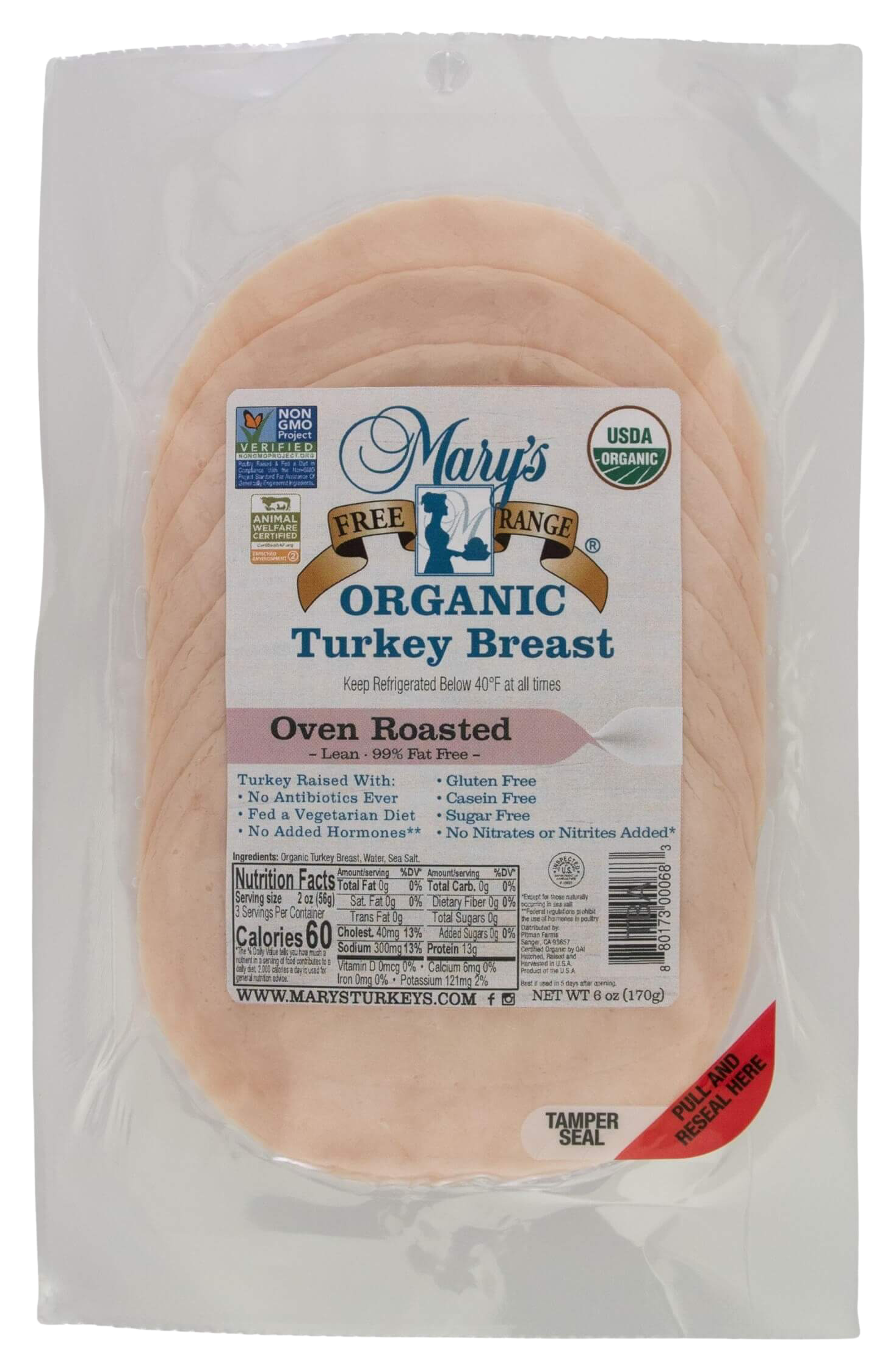
This oven roasted turkey breast features a clean ingredient list with turkey breast as the primary component, providing high-quality protein. The inclusion of lemon juice concentrate and vinegar helps preserve the product naturally without artificial additives. However, the product is processed and contains added salt, which can contribute to higher sodium intake, slightly impacting its overall healthiness.
Key ingredients 5
vinegarGood
Vinegar provides a tangy flavor and acts as a natural preservative, supporting food safety.
See more about vinegar →Turkey breastNeutral
Turkey breast is a lean source of protein and provides essential nutrients without added fats or sugars.
waterNeutral
Water is essential for hydration and helps keep the product moist without adding calories or fats.
See more about water →lemon juice concentrateNeutral
Standard formulation ingredient — neither beneficial nor harmful at typical use.
See more about lemon juice concentrate →saltNeutral
Salt enhances flavor but should be consumed in moderation; it is a common seasoning in processed meats.
See more about salt →Processing
Processed Foods
Get the full breakdown in the Scout appTake Scout shopping
Scan any product to see lab results, healthy alternatives, and your personalized analysis.
Download on theApp Store GET IT ONGoogle PlayAmazon pricing & content
CERTAIN CONTENT THAT APPEARS ON THIS SITE COMES FROM AMAZON. THIS CONTENT IS PROVIDED “AS IS” AND IS SUBJECT TO CHANGE OR REMOVAL AT ANY TIME.