

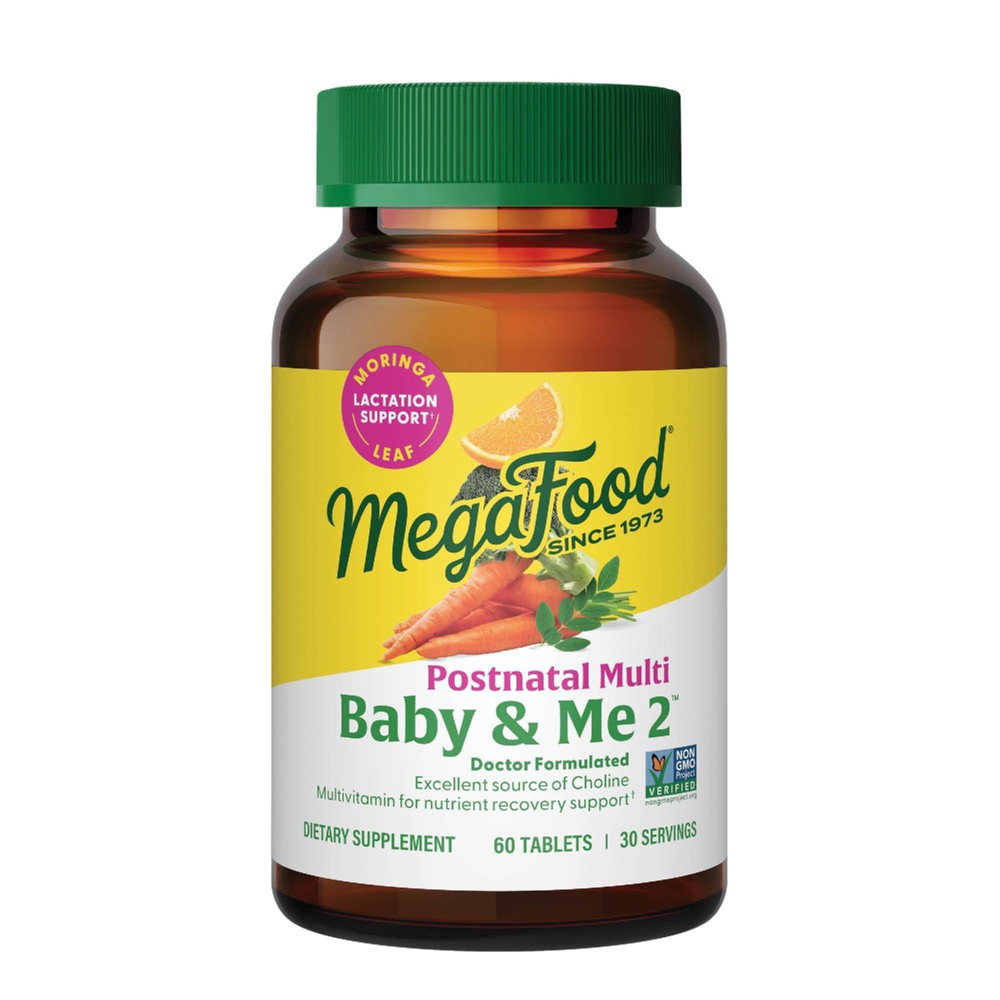


Pure Synergy PureNatal® Multivitamin For Mom & Baby 120 Tablets
Analysis updated September 2026 · How Scout scores
At a glance
Summary
This multivitamin is formulated with high-quality, bioavailable forms of essential vitamins and minerals, such as Vitamin D3 from vegan algae and Vitamin K2 from fermented natto, which support bone and cardiovascular health. The inclusion of organic plant extracts and probiotics enhances its nutritional profile. However, the presence of organic fermented soy, which may pose allergenic risks, slightly detracts from its overall score.
Key ingredients 30
Vitamin AVery Good
Vitamin A is essential for vision, immune function, and skin health. The use of beta-carotene, a precursor to Vitamin A, is beneficial as it is converted to Vitamin A in the body as needed, reducing the risk of toxicity. Additionally, carotenoids provide antioxidant benefits.
Risks
Excessive intake of Vitamin A can lead to toxicity, but beta-carotene is generally safe as it is converted to Vitamin A only as needed.
Benefits
Supports vision, immune function, and skin health, and provides antioxidant protection.
Vitamin CVery Good
Vitamin C is a powerful antioxidant that supports immune function and skin health. The inclusion of bioflavonoids enhances absorption and efficacy. It is crucial for collagen synthesis and acts as an antioxidant.
Risks
High doses may cause gastrointestinal discomfort, but it is generally safe at recommended levels.
Benefits
Enhances immune function, supports skin health, and improves iron absorption.
Vitamin EVery Good
Vitamin E acts as an antioxidant, protecting cells from oxidative damage. The presence of tocopherols and tocotrienols enhances its antioxidant properties. It supports skin health and immune function.
Risks
High doses may interfere with blood clotting, but it is safe at recommended levels.
Benefits
Protects cells from oxidative damage and supports skin and immune health.
Vitamin K2Very Good
Vitamin K2 is important for bone and cardiovascular health. Derived from fermented B. subtilis natto, it is a natural source that enhances bioavailability. It helps in calcium regulation and bone mineralization.
Risks
May interact with anticoagulant medications, but generally safe for most people.
Benefits
Supports bone health and cardiovascular function by regulating calcium.
FolateVery Good
Folate (as L-5-methyltetrahydrofolate, calcium) is crucial for DNA synthesis and cell division. It is the active form of folate, enhancing bioavailability. It is vital for fetal development and reducing neural tube defects.
Benefits
Supports DNA synthesis, cell division, and fetal development.
Vitamin D3Good
Vitamin D3 is vital for bone health and immune function. Sourced from vegan algae complex, it is suitable for vegetarians and vegans. It aids in calcium absorption and supports bone health.
Risks
Excessive intake can lead to hypercalcemia, but it is safe at recommended doses.
Benefits
Supports bone health, immune function, and calcium absorption.
Vitamin K1Good
Vitamin K1 is essential for blood clotting and bone health. It is a natural form of vitamin K that supports normal blood coagulation. It plays a role in bone metabolism.
Risks
May interact with blood-thinning medications, but safe for most individuals.
Benefits
Supports normal blood clotting and bone health.
ThiaminGood
Thiamin (Vitamin B1) is crucial for energy metabolism and nerve function. It is a water-soluble vitamin that supports carbohydrate metabolism. It is essential for the proper functioning of the nervous system.
Benefits
Supports energy metabolism and nerve function.
RiboflavinGood
Riboflavin (Vitamin B2) is important for energy production and cellular function. It is a water-soluble vitamin that aids in the metabolism of fats, drugs, and steroids. It supports skin and eye health.
Benefits
Supports energy production and cellular function.
NiacinGood
Niacin (as niacinamide) supports energy metabolism and skin health. It is a form of Vitamin B3 that is less likely to cause flushing. It plays a role in DNA repair and stress responses.
Risks
High doses may cause liver damage, but niacinamide is generally safe.
Benefits
Supports energy metabolism, skin health, and DNA repair.
Vitamin B6Good
Vitamin B6 is essential for protein metabolism and cognitive development. It is involved in neurotransmitter synthesis and immune function. It supports brain health and mood regulation.
Risks
Excessive intake can lead to nerve damage, but it is safe at recommended levels.
Benefits
Supports protein metabolism, cognitive development, and immune function.
Vitamin B12Good
Vitamin B12 is essential for nerve function and red blood cell formation. It is crucial for DNA synthesis and neurological function. It supports energy production and cognitive health.
Benefits
Supports nerve function, red blood cell formation, and energy production.
Pantothenic AcidGood
Pantothenic Acid (Vitamin B5) is important for energy metabolism and hormone synthesis. It is a water-soluble vitamin that supports the synthesis of coenzyme A. It aids in the metabolism of carbohydrates, proteins, and fats.
Benefits
Supports energy metabolism and hormone synthesis.
CholineGood
Choline is essential for liver function and brain development. It is a nutrient that supports the synthesis of acetylcholine, a neurotransmitter. It plays a role in lipid metabolism and cell membrane integrity.
Risks
Excessive intake may cause fishy body odor, but it is safe at recommended levels.
Benefits
Supports liver function, brain development, and lipid metabolism.
IodineGood
Iodine is crucial for thyroid function and metabolic regulation. It is an essential trace element that supports the production of thyroid hormones. It plays a role in growth and development.
Risks
Excessive intake can lead to thyroid dysfunction, but it is safe at recommended levels.
Benefits
Supports thyroid function and metabolic regulation.
SeleniumGood
Selenium is an essential mineral that supports antioxidant defense and thyroid function. It is a component of selenoproteins that protect against oxidative damage. It plays a role in immune function and reproduction.
Risks
Excessive intake can lead to selenosis, but it is safe at recommended levels.
Benefits
Supports antioxidant defense, thyroid function, and immune health.
CopperGood
Copper is essential for iron metabolism and neurological function. It is a trace mineral that supports the formation of red blood cells. It plays a role in immune function and collagen synthesis.
Risks
Excessive intake can lead to toxicity, but it is safe at recommended levels.
Benefits
Supports iron metabolism, neurological function, and immune health.
ManganeseGood
Manganese is important for bone health and metabolism. It is a trace mineral that supports the formation of connective tissue. It plays a role in antioxidant defense and enzyme activation.
Risks
Excessive intake can lead to neurological issues, but it is safe at recommended levels.
Benefits
Supports bone health, metabolism, and antioxidant defense.
Chromium GTFGood
Chromium GTF supports glucose metabolism and insulin sensitivity. It is a trace mineral that enhances the action of insulin. It plays a role in carbohydrate, fat, and protein metabolism.
Benefits
Supports glucose metabolism and insulin sensitivity.
MolybdenumGood
Molybdenum is essential for enzyme function and detoxification. It is a trace mineral that supports the metabolism of sulfur-containing amino acids. It plays a role in the detoxification of harmful substances.
Benefits
Supports enzyme function and detoxification.
Organic Red Raspberry Leaf ExtractGood
Organic Red Raspberry Leaf Extract is known for its potential benefits in supporting reproductive health. It is rich in vitamins and minerals and is often used to support uterine health. It is a natural ingredient with a long history of use in herbal medicine.
Benefits
Supports reproductive health and provides vitamins and minerals.
Organic Sprout BlendGood
Organic Sprout Blend provides a variety of nutrients and antioxidants. It includes broccoli, upland cress, daikon, red radish, cabbage, arugula, and cauliflower, which are rich in vitamins and minerals. Sprouts are known for their high nutrient density and bioavailability.
Benefits
Provides a variety of nutrients and antioxidants.
Organic Berry BlendGood
Organic Berry Blend is rich in antioxidants and phytonutrients. It includes black currant, bilberry, aronia, pomegranate, lingonberry, concord grape, wild blueberry, sour cherry, elderberry, cranberry, red raspberry, and black raspberry. Berries are known for their health benefits and antioxidant properties.
Benefits
Rich in antioxidants and phytonutrients.
Cultured in a fermented food matrixGood
Cultured in a fermented food matrix enhances the bioavailability of nutrients. It includes organic soy, organic acacia fiber, organic Saccharomyces cerevisiae, organic maltodextrin, organic orange peel, organic carrot, organic alfalfa, L. acidophilus, B. bifidum, L. rhamnosus, papain & bromelain enzymes. Fermentation improves nutrient absorption and supports gut health.
Benefits
Enhances nutrient bioavailability and supports gut health.
Certified organic barley grassGood
Certified organic barley grass is a nutrient-dense green food. It is rich in vitamins, minerals, and antioxidants. It supports detoxification and provides a source of chlorophyll.
Benefits
Rich in nutrients and supports detoxification.
Certified organic acacia fiberGood
Certified organic acacia fiber is a natural prebiotic fiber. It supports digestive health and promotes the growth of beneficial gut bacteria. It is a gentle fiber that aids in regularity.
Benefits
Supports digestive health and promotes beneficial gut bacteria.
Certified organic MCT oilGood
Certified organic MCT oil is a source of medium-chain triglycerides. It is easily absorbed and used for energy. It supports cognitive function and weight management.
Benefits
Supports energy production and cognitive function.
Certified organic tapioca starchNeutral
Certified organic tapioca starch is used as a binder and thickener. It is a gluten-free carbohydrate source. It provides texture and stability to the product.
Benefits
Provides texture and stability to the product.
Certified organic vegan tablet coatingNeutral
Certified organic vegan tablet coating provides a protective layer for the tablet. It ensures the stability and integrity of the tablet. It is made from organic materials and is suitable for vegans.
Benefits
Ensures stability and integrity of the tablet.
Certified organic fermented soyBad
Certified organic fermented soy is used as a protein source. While fermentation improves digestibility, soy-based proteins have a poorer amino acid profile compared to animal-based proteins. It may also pose allergenic risks for some individuals.
Risks
May cause allergic reactions and has a poorer amino acid profile compared to animal-based proteins.
Benefits
Fermentation improves digestibility and nutrient absorption.
Processing
Ultra-Processed Foods
Get the full breakdown in the Scout appTake Scout shopping
Scan any product to see lab results, healthy alternatives, and your personalized analysis.
Download on theApp Store GET IT ONGoogle Play