

:format(jpg)/d2lnr5mha7bycj.cloudfront.net/product-image/file/large_4d1dc858-6972-42ec-949f-34f7e0ca2259.jpg)
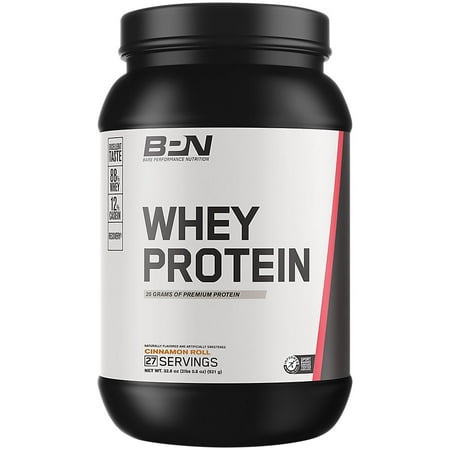
Whey Protein - Cinnamon Roll (2.08 Lbs./ 27 Servings)
Summary
This whey protein product contains high-quality protein sources like whey protein isolate, concentrate, and hydrolyzed whey, which are beneficial for muscle repair and growth. However, the presence of processed additives such as sunflower lecithin, soy lecithin, natural flavors, and artificial flavors detracts from its overall formulation quality. While these additives are common in flavored protein powders, they contribute to a moderate level of processing and reduce the product's score compared to cleaner formulations.
At a glance
Key ingredients 12
Whey Protein IsolateVery Good
Whey protein isolate is a high-quality protein source with a complete amino acid profile, making it ideal for muscle repair and growth. It is processed to remove most fats and carbohydrates, resulting in a high protein content. Compared to other protein sources, it is rapidly absorbed and utilized by the body.
Benefits
Provides essential amino acids that support muscle recovery and growth.
Whey Protein ConcentrateGood
Whey protein concentrate is a high-quality protein that contains a range of essential amino acids. It is less processed than isolate, retaining more beneficial nutrients like immunoglobulins and lactoferrin. This form of whey is slightly higher in fats and carbohydrates compared to isolate.
Risks
May cause digestive discomfort in lactose-intolerant individuals.
Benefits
Supports muscle growth and provides additional nutrients beneficial for immune health.
Hydrolyzed Whey ProteinGood
Hydrolyzed whey protein is pre-digested, allowing for faster absorption and utilization by the body. It is ideal for post-workout recovery due to its rapid digestion. This form of whey is often used in clinical nutrition for its hypoallergenic properties.
Benefits
Enhances muscle recovery and reduces the risk of allergic reactions.
Sunflower LecithinBad
Sunflower lecithin is used as an emulsifier to improve texture and mixability. It is a processed ingredient that may contain residues from extraction processes. While not as harmful as seed oils, it is still considered a processed additive.
Risks
Potential for containing processing residues, though generally considered safe in small amounts.
Benefits
Improves product texture and mixability without significant health benefits.
Soy LecithinBad
Soy lecithin is a common emulsifier derived from soybeans, often used to improve texture and stability. It is a processed ingredient that may contain traces of solvents used in extraction. While generally safe, it is considered a processed additive with minimal nutritional value.
Risks
May contain traces of solvents and allergens from soy.
Benefits
Improves product texture and stability without significant health benefits.
Natural FlavorBad
Natural flavors are used to enhance taste but are often a catch-all term for a variety of chemical compounds. The lack of transparency in their composition raises concerns about potential allergens and additives. While derived from natural sources, they are heavily processed.
Risks
Potential for undisclosed allergens and additives.
Benefits
Enhances flavor without providing nutritional benefits.
Artificial FlavorBad
Artificial flavors are synthetic compounds used to mimic natural flavors, often raising health concerns due to their chemical nature. They are associated with potential allergic reactions and long-term health effects. The use of artificial flavors is generally discouraged in clean-label products.
Risks
Potential for allergic reactions and long-term health concerns.
Benefits
Enhances flavor but offers no nutritional benefits.
CinnamonGood
Cinnamon is a natural spice known for its antioxidant properties and potential health benefits. It is minimally processed and adds a natural flavor profile to the product. Cinnamon may also support blood sugar regulation and provide anti-inflammatory effects.
Benefits
Provides antioxidants and may support metabolic health.
SaltNeutral
Salt is used to enhance flavor and preserve the product. While necessary in small amounts, excessive consumption can lead to health issues such as hypertension. In this product, it is used in moderation to balance flavors.
Risks
Excessive intake can contribute to hypertension and cardiovascular issues.
Benefits
Enhances flavor and acts as a preservative.
Xanthan GumNeutral
Xanthan gum is a thickening agent used to improve texture and stability in food products. It is produced through fermentation and is generally recognized as safe. While it provides no nutritional benefits, it is effective in small quantities.
Risks
May cause digestive discomfort in sensitive individuals.
Benefits
Improves texture and stability without significant nutritional benefits.
Steviol GlycosidesNeutral
Steviol glycosides are natural sweeteners derived from the stevia plant, offering a zero-calorie alternative to sugar. They are considered safe and do not impact blood sugar levels. This makes them suitable for those managing calorie intake or blood sugar.
Benefits
Provides sweetness without calories or blood sugar impact.
Guar GumNeutral
Guar gum is a natural thickening agent derived from guar beans, used to improve texture and consistency. It is generally recognized as safe and is effective in small amounts. While it provides no nutritional benefits, it aids in product stability.
Risks
May cause digestive issues if consumed in large amounts.
Benefits
Enhances texture and consistency without significant nutritional benefits.
Processing
Processed Foods
Get the full breakdown in the Scout app
Scan any product to see lab results, healthy alternatives, and your personalized analysis.
Download on theApp Store