



Plant Co Barista Cashew Oat
Analysis updated August 2026 · How Scout scores
At a glance
Summary
This product contains beneficial ingredients like oat flour and organic cashew nuts, which provide healthy fats and essential nutrients. However, the presence of 'natural flavour' as an ingredient raises concerns due to its lack of transparency and potential for including various additives. The product is moderately processed, which limits its score despite the overall clean ingredient list.
Key ingredients 8
Oat flourGood
Oat flour is a good source of dietary fiber and complex carbohydrates, supporting digestive health and sustained energy release.
See more about Oat flour →Organic cashew nutsGood
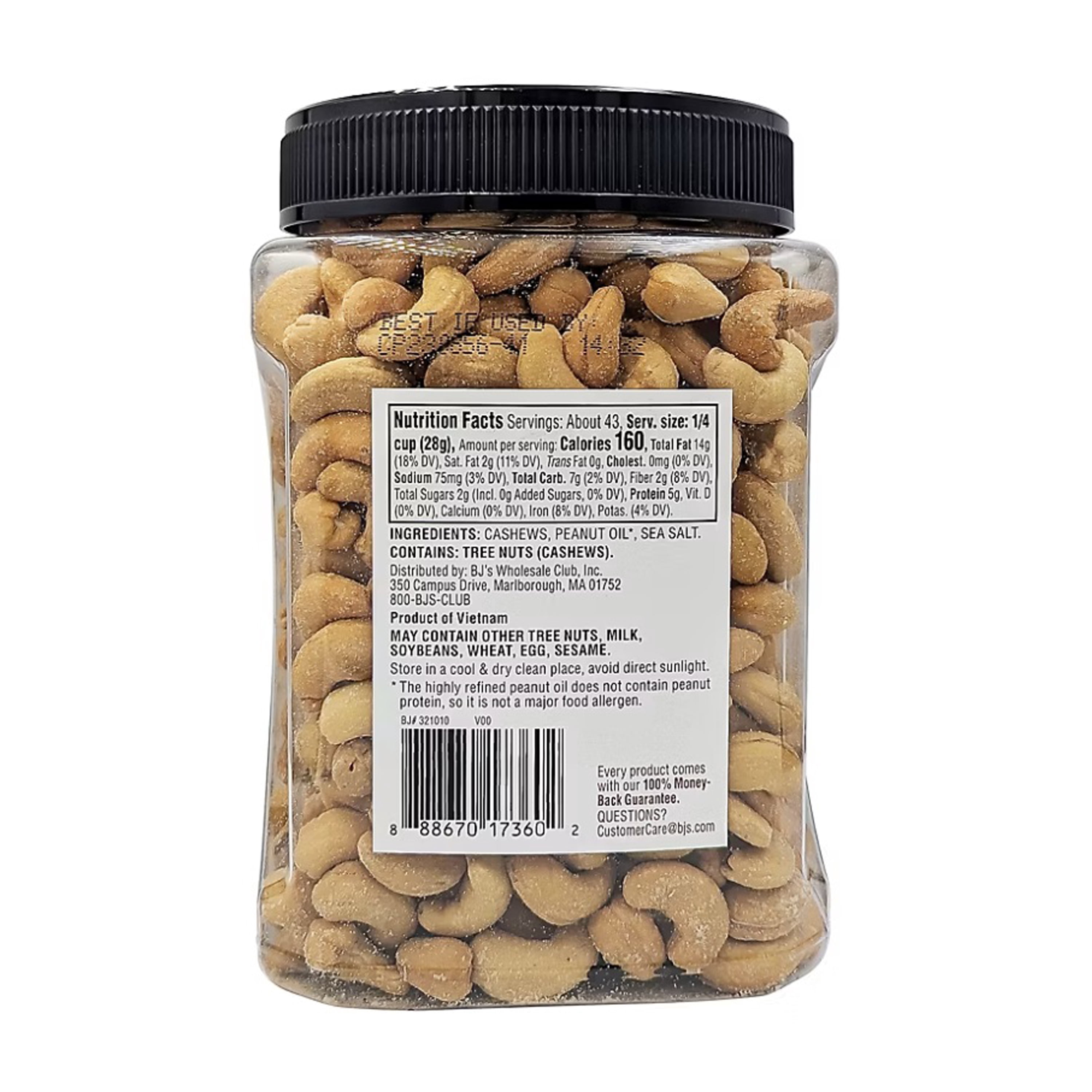
Cashew nuts provide healthy fats, protein, and essential nutrients, making them a beneficial ingredient in this product.
Sea saltGood
Beneficial ingredient — whole-food or functional value in this product class.
See more about Sea salt →WaterNeutral
Water is essential for hydration and forms the base of many food products, contributing to the overall texture and consistency.
See more about Water →Dipotassium phosphateNeutral
Dipotassium phosphate acts as an acidity regulator and stabilizer, ensuring product quality without affecting health negatively.
See more about Dipotassium phosphate →Sodium citrateNeutral
Sodium citrate is used to control acidity and preserve freshness, with no significant health risks when used appropriately.
See more about Sodium citrate →Sodium bicarbonateNeutral
Sodium bicarbonate functions as a leavening agent and acidity regulator, common in food processing and generally safe.
See more about Sodium bicarbonate →Natural flavourNeutral
Natural flavour is added to enhance taste and aroma, derived from natural sources without synthetic additives.
See more about Natural flavour →Processing
Processed Foods
Get the full breakdown in the Scout appTake Scout shopping
Scan any product to see lab results, healthy alternatives, and your personalized analysis.
Download on theApp Store GET IT ONGoogle PlayAmazon pricing & content
Amazon price as of . Product prices and availability are accurate as of the date/time indicated and are subject to change. Any price and availability information displayed on Amazon.com at the time of purchase will apply to the purchase of this product.
CERTAIN CONTENT THAT APPEARS ON THIS SITE COMES FROM AMAZON. THIS CONTENT IS PROVIDED “AS IS” AND IS SUBJECT TO CHANGE OR REMOVAL AT ANY TIME.