

:max_bytes(150000):strip_icc()/ar-trader-joes-best-new-products-june-pancakes-ar-tjs-4x3-cf1d02d83e7744608dfa76d3fdaf1036.jpg)


At a glance
Summary
This product is ultra-processed, which limits its overall health score. It contains refined flour and cane sugar, which are less desirable ingredients due to their contribution to weight gain and metabolic issues. However, it also includes beneficial ingredients like milk, maple syrup, and natural colorings from hibiscus, apple, carrot, and pumpkin, which provide some nutritional value and antioxidants.
Key ingredients 15
MilkGood
Milk is a good source of calcium and vitamin D, essential for bone health. It provides high-quality protein and various vitamins and minerals. The presence of lactose may be a concern for lactose-intolerant individuals.
Risks
Lactose intolerance can cause digestive issues in sensitive individuals.
Benefits
Rich in calcium and vitamin D, supporting bone health and providing high-quality protein.
CreamGood
Traditional whole-fat dairy ingredient.
Risks
High in saturated fats, which may increase heart disease risk if consumed in excess.
Benefits
Adds richness and flavor to foods, and can be part of a balanced diet in moderation.
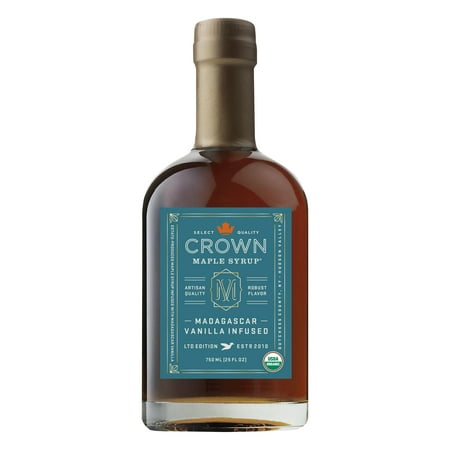
Maple SyrupGood
Maple syrup is a natural sweetener with some minerals and antioxidants. It is less processed than refined sugars. However, it is still high in sugars and should be consumed in moderation.
Risks
High in sugars, which can contribute to weight gain and metabolic issues if consumed in excess.
Benefits
Contains some minerals and antioxidants, offering a more natural alternative to refined sugars.
ButtermilkGood
Buttermilk is a cultured dairy product that provides probiotics and nutrients like calcium and vitamin D. It is lower in fat than regular milk. The fermentation process may aid digestion.
Benefits
Contains probiotics and nutrients, supporting digestive and bone health.
Sea SaltGood
Unrefined sea salt — a minimally processed, natural source of sodium and essential trace minerals, and a legitimate whole-food seasoning. Treated as a positive ingredient.
Risks
Excessive sodium intake can increase the risk of hypertension and cardiovascular issues.
Benefits
Provides essential sodium and may contain trace minerals.
HibiscusGood
Hibiscus is used for its natural coloring properties and potential health benefits. It contains antioxidants that may support heart health. It is a natural alternative to artificial colorings.
Benefits
Rich in antioxidants, supporting heart health and providing natural color.
AppleGood
Apple is used for its natural coloring and potential health benefits. It contains fiber and antioxidants that support overall health. It is a natural alternative to artificial colorings.
Benefits
Provides fiber and antioxidants, supporting overall health and providing natural color.
CarrotGood
Carrot is used for its natural coloring and nutritional benefits. It is rich in beta-carotene, which is converted to vitamin A in the body. It is a natural alternative to artificial colorings.
Benefits
Rich in beta-carotene, supporting vision and immune health, and providing natural color.
PumpkinGood
Pumpkin is used for its natural coloring and nutritional benefits. It is rich in vitamins and antioxidants, supporting overall health. It is a natural alternative to artificial colorings.
Benefits
Rich in vitamins and antioxidants, supporting overall health and providing natural color.
Pancake PiecesNeutral
Pancake pieces are made from enriched flour and other ingredients, providing carbohydrates and some vitamins. They are processed and may contain added sugars and fats. The enrichment process adds some nutrients back to the flour.
Risks
May contain added sugars and fats, contributing to excess calorie intake.
Benefits
Provides carbohydrates and some vitamins due to flour enrichment.
Nonfat MilkNeutral
Standard formulation ingredient — neither beneficial nor harmful at typical use.
Benefits
Provides protein, calcium, and vitamin D without saturated fat, supporting bone health.
Citric AcidNeutral
Citric acid is a natural preservative and flavor enhancer found in citrus fruits. It is widely used in food processing for its acidic properties. Generally recognized as safe, but excessive consumption may cause digestive discomfort.
Risks
Excessive consumption may cause digestive discomfort in sensitive individuals.
Benefits
Acts as a natural preservative and flavor enhancer, widely used in food processing.
Cane SugarBad
Cane sugar is a refined sugar that can contribute to weight gain and metabolic issues when consumed in excess. It provides empty calories without essential nutrients. Overconsumption is linked to increased risk of chronic diseases.
Risks
Excessive intake can lead to weight gain, metabolic issues, and increased risk of chronic diseases.
Tapioca SyrupBad
Processed additive flagged under Scout's ingredient doctrine.
Risks
High in sugars, which can contribute to weight gain and metabolic issues if consumed in excess.
Benefits
Provides a natural alternative to more processed sweeteners.
Natural FlavorBad
Natural flavors are often used to enhance taste but can be a catch-all for various additives. They lack transparency and may contain allergens or other substances. The term 'natural' does not guarantee health benefits.
Risks
May contain allergens or other substances, lacking transparency in composition.
Processing
Ultra-Processed Foods
Get the full breakdown in the Scout appTake Scout shopping
Scan any product to see lab results, healthy alternatives, and your personalized analysis.
Download on theApp Store GET IT ONGoogle Play