
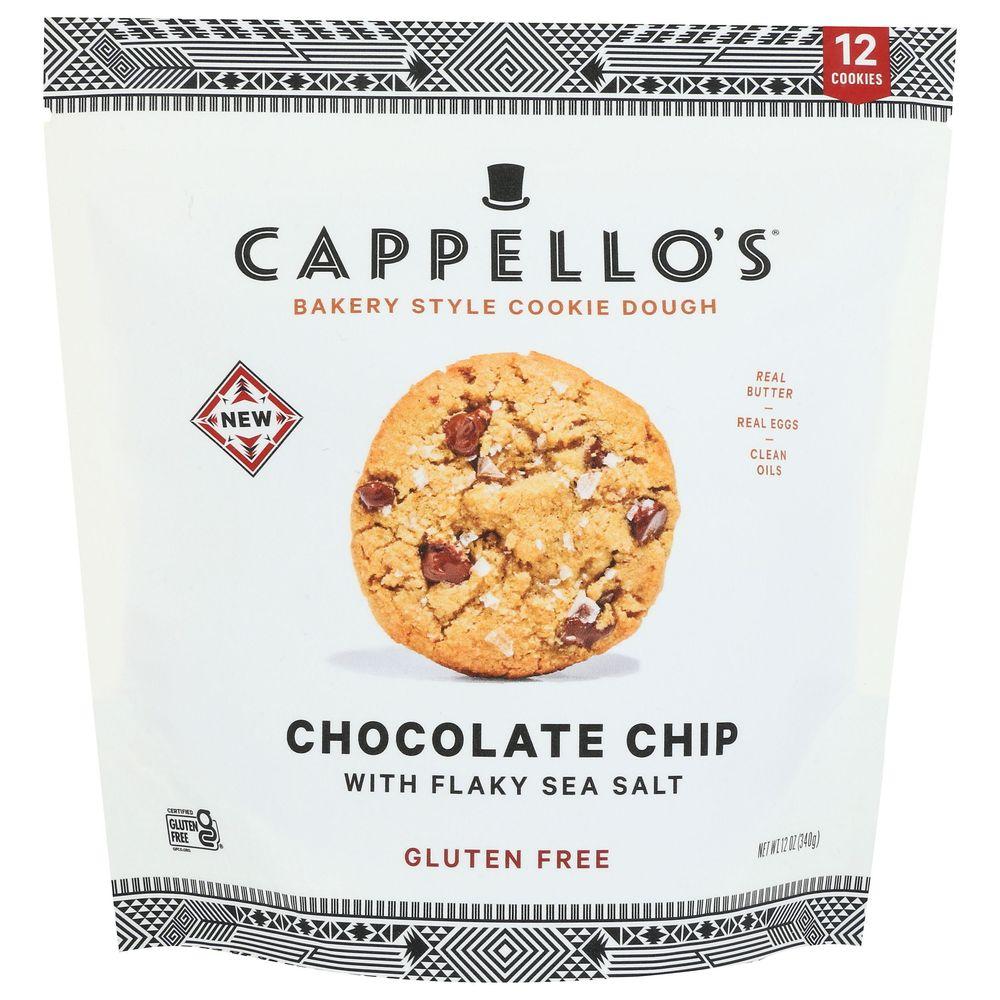


Chocolate Chip with Flaky Sea Salt
Summary
This product contains several beneficial ingredients like almond flour, coconut flour, and eggs, which provide nutrients and healthy fats. However, it is heavily processed and includes refined cane sugar and natural flavors, which are less desirable. The high level of processing and presence of additives limit its overall healthiness despite some positive nutritional aspects.
At a glance
Key ingredients 14
White Rice FlourNeutral
White rice flour is a gluten-free alternative to wheat flour. It is highly processed and lacks the fiber and nutrients found in whole grain flours. It is often used in gluten-free baking for its light texture.
Benefits
Provides a gluten-free option for those with celiac disease or gluten intolerance.
Almond FlourGood
Almond flour is a nutrient-dense flour alternative made from ground almonds. It is rich in healthy fats, protein, and vitamin E, supporting heart health and providing antioxidant benefits. Its low carbohydrate content makes it suitable for low-carb diets.
Risks
Potential allergen for individuals with nut allergies.
Benefits
Rich in monounsaturated fats and vitamin E, which support heart health and provide antioxidant properties.
Tapioca StarchNeutral
Tapioca starch is a refined carbohydrate extracted from cassava root. It is used as a thickening agent and provides a chewy texture in baked goods. It is gluten-free but lacks significant nutritional benefits.
Benefits
Provides a gluten-free thickening option for those with celiac disease or gluten intolerance.
Brown Rice FlourNeutral
Brown rice flour is a whole grain flour that retains more nutrients than white rice flour. It is a good source of fiber and essential minerals. However, it can have a gritty texture in baked goods.
Benefits
Provides fiber and essential minerals, supporting digestive health.
Coconut FlourGood
Coconut flour is a high-fiber, gluten-free flour made from dried coconut meat. It is rich in medium-chain triglycerides (MCTs) that support metabolism and energy levels. Its high fiber content aids in digestive health.
Risks
Potential allergen for individuals with coconut allergies.
Benefits
Rich in fiber and MCTs, supporting digestive health and providing quick energy.
Cane SugarBad
Cane sugar is a refined sugar that contributes to increased calorie intake without providing essential nutrients. Excessive consumption can lead to weight gain and increased risk of metabolic diseases. It is often used for its sweetening properties in baked goods.
Risks
High consumption may lead to obesity, type 2 diabetes, and dental cavities.
Semi-sweet Chocolate ChipsNeutral
Semi-sweet chocolate chips are made from cocoa solids, sugar, and cocoa butter. They provide a balance of sweetness and chocolate flavor in baked goods. While they contain antioxidants from cocoa, the sugar content can be a concern.
Risks
High sugar content may contribute to metabolic health issues if consumed in excess.
Benefits
Contains antioxidants from cocoa that may support heart health.
Coconut OilGood
Coconut oil is a plant-based fat rich in medium-chain triglycerides (MCTs), which are quickly metabolized for energy. It has a high smoke point, making it suitable for baking. Its saturated fat content is a topic of debate, but it is generally considered a healthier alternative to seed oils.
Risks
High in saturated fats, which may affect cholesterol levels if consumed in excess.
Benefits
Rich in MCTs that provide quick energy and may support metabolic health.
EggsVery Good
Eggs are a high-quality protein source containing all essential amino acids. They are rich in vitamins and minerals, including B vitamins and choline, supporting brain health. Eggs from pasture-raised hens are higher in omega-3 fatty acids.
Risks
Potential allergen for individuals with egg allergies.
Benefits
Excellent source of high-quality protein and essential nutrients, supporting overall health.
ButterGood
Butter is a dairy product rich in fat-soluble vitamins like A, D, E, and K. It provides a rich flavor and texture to baked goods. Grass-fed butter contains higher levels of omega-3 fatty acids and conjugated linoleic acid (CLA).
Risks
High in saturated fats, which may affect cholesterol levels if consumed in excess.
Benefits
Rich in fat-soluble vitamins and beneficial fatty acids when sourced from grass-fed cows.
MolassesNeutral
Molasses is a byproduct of sugar refining that retains some minerals like iron and calcium. It provides a rich flavor and color to baked goods. While it contains some nutrients, it is still a form of sugar and should be consumed in moderation.
Risks
High sugar content may contribute to metabolic health issues if consumed in excess.
Benefits
Contains trace minerals like iron and calcium, providing some nutritional value.
Sea SaltGood
Unrefined sea salt — a minimally processed, natural source of sodium and essential trace minerals, and a legitimate whole-food seasoning. Treated as a positive ingredient.
Risks
Excessive sodium intake can lead to high blood pressure and cardiovascular issues.
Benefits
Contains trace minerals and enhances flavor in foods.
Natural FlavorBad
Natural flavors are additives used to enhance taste, derived from natural sources but often highly processed. They can contain a complex mixture of chemicals, raising concerns about transparency and potential allergens. The lack of specificity makes it difficult to assess their health impact.
Risks
May contain allergens and contribute to overconsumption of processed foods.
Baking SodaNeutral
Baking soda is a leavening agent used to help baked goods rise. It is a simple chemical compound with no significant nutritional value. It is generally recognized as safe when used in appropriate amounts in cooking.
Risks
Excessive consumption can lead to alkalosis and electrolyte imbalances.
Processing
Ultra-Processed Foods
Get the full breakdown in the Scout app
Scan any product to see lab results, healthy alternatives, and your personalized analysis.
Download on theApp Store