
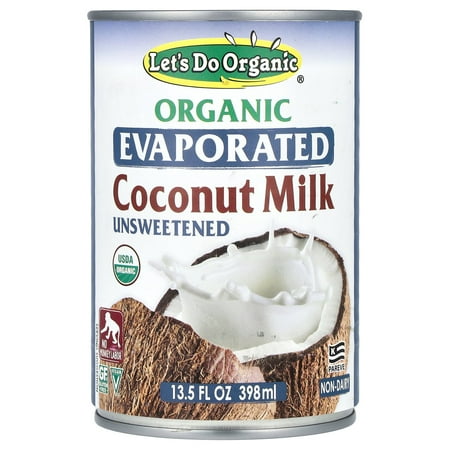
Coconut Milk

Whole Moon
60 Fair
View on Amazon

Summary

This coconut milk product is ultra-processed, which limits its potential health score. While it contains beneficial coconut milk, the presence of natural flavors and a questionable ingredient labeled as 'potassium frustrate' raises concerns about ingredient transparency and processing. The inclusion of these processed elements detracts from the overall quality of the product.

At a glance

Beneficial ingredients 2
Harmful ingredients 2
Category Milk

Key ingredients 9

Coconut milk
Good

Coconut milk is a natural source of healthy fats and provides a creamy texture. It contains medium-chain triglycerides (MCTs) that are easily metabolized for energy. The natural composition supports heart health and provides essential nutrients.

Benefits

Rich in MCTs that support energy metabolism and may aid in weight management. Provides essential nutrients like potassium and magnesium.

Filtered water
Neutral

Filtered water is used as a base to dilute and blend ingredients. It ensures the product is free from impurities and contaminants. It does not contribute any nutritional value.

See more about Filtered water →
Coconut meat
Neutral

Coconut meat provides fiber and healthy fats, contributing to the texture and flavor of the product. It is a natural ingredient with minimal processing. However, it does not significantly alter the nutritional profile of the product.

Benefits

Provides dietary fiber and healthy fats that support digestive health.

See more about Coconut meat →
Whole roasted soy beans
Neutral

Whole roasted soy beans add protein and a nutty flavor to the product. They are minimally processed and retain their natural nutrients. However, they may not be suitable for individuals with soy allergies.

Risks

May cause allergic reactions in individuals sensitive to soy.

Benefits

Provides plant-based protein and essential amino acids.

Organic raw cane sugar
Neutral

Organic raw cane sugar is used as a sweetener and is less processed than refined sugars. It retains some natural molasses content, providing a richer flavor. However, it still contributes to the overall sugar content of the product.

Risks

Excessive consumption may lead to increased blood sugar levels and related health issues.

Benefits

Provides a natural sweetness with minimal processing.

Sea salt
Good

Unrefined sea salt — a minimally processed, natural source of sodium and essential trace minerals, and a legitimate whole-food seasoning. Treated as a positive ingredient.

Risks

High sodium intake may lead to increased blood pressure and cardiovascular issues.

Benefits

Contains trace minerals that may support electrolyte balance.

See more about Sea salt →
Natural flavors
Bad

Natural flavors are used to enhance taste but lack transparency in their composition. They are often highly processed and can contain a variety of chemical compounds. This lack of clarity can be concerning for consumers seeking clean labels.

Risks

May contain undisclosed allergens or additives that could cause sensitivities.

See more about Natural flavors →
Gum acacia
Neutral

Gum acacia is used as a stabilizer and thickener in food products. It is derived from the sap of acacia trees and is considered a natural additive. It is generally recognized as safe but offers no nutritional benefits.

Risks

Excessive consumption may cause digestive discomfort in sensitive individuals.

Benefits

Helps stabilize and improve the texture of food products.

See more about Gum acacia →
Potassium frustrate
Bad

Potassium frustrate appears to be a typographical error or mislabeling of an ingredient. It is not a recognized food additive or ingredient. This raises concerns about labeling accuracy and product transparency.

Risks

Potential mislabeling could lead to consumer confusion and mistrust.

Processing

Group 4 · Ultra-processed

Ultra-Processed Foods

Get the full breakdown in the Scout app

Scan any product to see lab results, healthy alternatives, and your personalized analysis.

Download on theApp Store