


At a glance
Summary
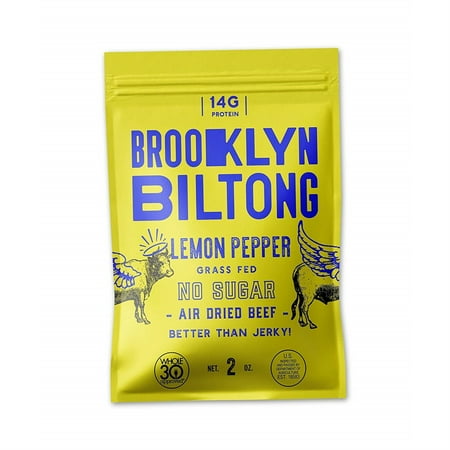
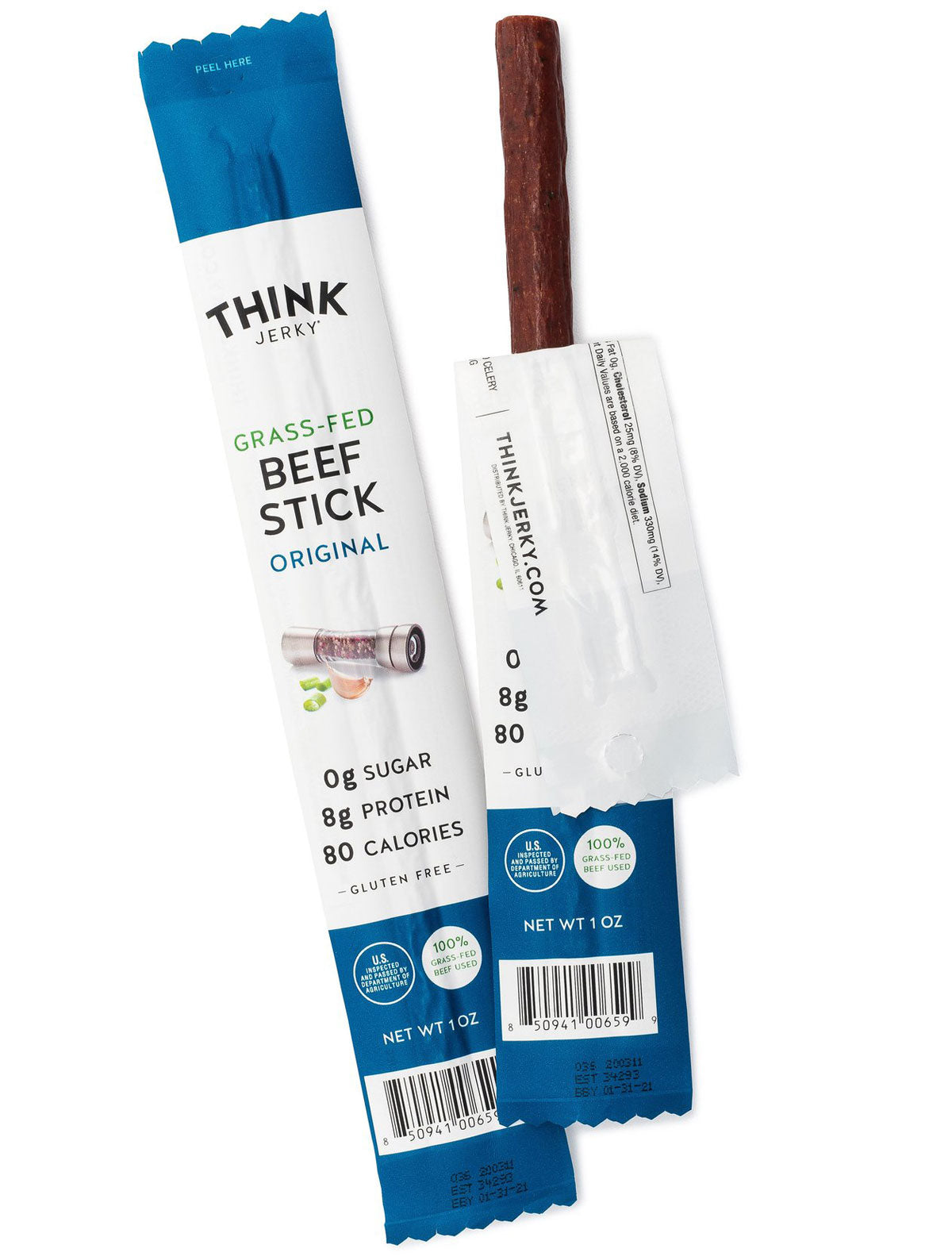
This jerky product contains high-quality beef and several beneficial ingredients like pineapple juice, garlic powder, and flaxseed, which contribute to its nutritional value. However, the presence of refined sugar as a significant ingredient raises concerns due to its association with metabolic issues and empty calories. The product is moderately processed, which limits its score despite the inclusion of some healthful components.
Key ingredients 10
BeefVery Good
Beef is a high-quality source of complete protein, providing all essential amino acids. It is rich in vitamins and minerals such as iron, zinc, and B vitamins. Grass-fed beef is particularly beneficial due to higher omega-3 fatty acids and antioxidants.
Risks
Excessive consumption of red meat may be linked to increased risk of certain diseases. Moderation is advised.
Benefits
Provides essential nutrients and high-quality protein that supports muscle growth and repair.
FlaxseedVery Good
Flaxseed is a good source of omega-3 fatty acids, fiber, and lignans. It may support heart health and improve digestion. Whole seeds provide more nutrients compared to processed oils.
Benefits
Supports heart health and provides dietary fiber and omega-3 fatty acids.
Pineapple JuiceGood
Pineapple juice is a natural source of vitamins and enzymes like bromelain, which may aid digestion. It provides natural sweetness and flavor. The juice contains antioxidants that can help reduce inflammation.
Risks
High in natural sugars, which can contribute to calorie intake if consumed in large amounts.
Benefits
Contains vitamins and enzymes that support digestion and provide antioxidant benefits.
Garlic PowderGood
Garlic powder provides flavor and has potential health benefits due to its antioxidant properties. It contains compounds like allicin, which may support heart health. It is a low-calorie way to enhance taste.
Benefits
May support heart health and provide antioxidant benefits.
Black PepperGood
Black pepper is a spice that enhances flavor and has potential health benefits. It contains piperine, which may improve nutrient absorption and has antioxidant properties. It is a natural, low-calorie seasoning.
Benefits
May improve nutrient absorption and provide antioxidant benefits.
Fermented OreganoGood
Fermented oregano is rich in antioxidants and may have antimicrobial properties. Fermentation can enhance the bioavailability of nutrients. It adds flavor and potential health benefits to foods.
Benefits
Rich in antioxidants and may support immune health.
WaterNeutral
Water is a neutral ingredient used as a solvent and to maintain moisture. It does not contribute calories or nutrients. Its presence is essential for texture and processing.
See more about Water →Soy SauceNeutral
Soy sauce adds flavor and umami to foods but is high in sodium. It is made from fermented soybeans, which can provide some beneficial compounds. However, the high salt content can be a concern for those monitoring sodium intake.
Risks
High sodium content can contribute to hypertension if consumed in excess.
Benefits
Provides umami flavor and contains some beneficial compounds from fermentation.
SaltNeutral
Salt is used to enhance flavor and preserve food. It is a necessary nutrient but should be consumed in moderation. Excessive intake can lead to health issues like hypertension.
Risks
High sodium intake is linked to increased blood pressure and cardiovascular risk.
Benefits
Essential for maintaining fluid balance and nerve function.
SugarBad
Refined sugar is associated with increased risk of obesity, type 2 diabetes, and heart disease. It provides empty calories with no essential nutrients. High sugar intake can lead to insulin resistance and metabolic issues.
Risks
Excessive sugar consumption can contribute to weight gain and metabolic disorders.
Processing
Processed Foods
Get the full breakdown in the Scout appTake Scout shopping
Scan any product to see lab results, healthy alternatives, and your personalized analysis.
Download on theApp Store GET IT ONGoogle Play