

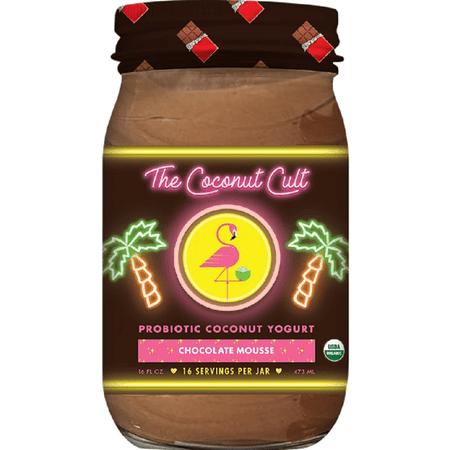
At a glance
Summary
This yogurt contains several beneficial ingredients such as coconut, dried coconut, and live cultures, which contribute to its nutritional value and probiotic benefits. However, the presence of refined sugar and pea protein isolate indicates a moderate level of processing, which slightly detracts from its overall healthiness. The product is processed, which limits its score despite the presence of healthy fats and probiotics.
Key ingredients 12
CoconutGood
Coconut is a source of healthy fats, particularly medium-chain triglycerides (MCTs), which can provide quick energy. It is minimally processed and retains its natural nutrients. Coconut also adds a natural sweetness and flavor to the product.
Risks
Excessive consumption may lead to increased calorie intake.
Benefits
Rich in MCTs that can support energy metabolism and may aid in weight management.
Dried coconutGood
Dried coconut retains many of the nutrients found in fresh coconut, including fiber and healthy fats. It is a minimally processed ingredient that adds texture and flavor. The drying process helps preserve the coconut for longer shelf life.
Risks
May contribute to higher calorie content if consumed in large amounts.
Benefits
Provides dietary fiber and healthy fats that support digestive health and energy metabolism.
Coconut oilGood
Coconut oil is rich in medium-chain triglycerides (MCTs), which are easily metabolized for energy. It is a minimally processed oil that retains its natural properties. Coconut oil can support heart health when consumed in moderation.
Risks
High in saturated fats, which should be consumed in moderation.
Benefits
Supports energy metabolism and may have antimicrobial properties.
Citrus pectinGood
Citrus pectin is a natural fiber that acts as a gelling agent and can support digestive health. It is derived from citrus fruits and is minimally processed. Pectin may also help lower cholesterol levels.
Benefits
Supports digestive health and may aid in cholesterol management.
Vegan live and active culturesGood
Vegan live and active cultures are beneficial for gut health, promoting a healthy balance of gut bacteria. They are essential for fermentation in yogurt, enhancing its probiotic content. These cultures can improve digestion and boost the immune system.
Benefits
Promotes gut health and supports the immune system through probiotic activity.
Streptococcus thermophilusGood
Streptococcus thermophilus is a probiotic culture that aids in the fermentation process of yogurt. It supports digestive health by maintaining a healthy gut microbiome. This culture is well-studied for its benefits in improving lactose digestion.
Benefits
Enhances gut health and aids in lactose digestion, making yogurt more digestible.
Lactobacillus bulgaricusGood
Lactobacillus bulgaricus is a beneficial probiotic that contributes to the fermentation of yogurt. It supports a healthy digestive system by promoting beneficial gut bacteria. This culture is known for its role in improving lactose tolerance.
Benefits
Supports digestive health and enhances lactose digestion, contributing to overall gut health.
WaterNeutral
Water is a neutral ingredient used as a base or solvent in many food products. It does not provide any nutritional benefits or risks. Its presence is essential for consistency and texture in yogurt.
See more about Water →Yuzu sour mixNeutral
Yuzu sour mix provides a unique citrus flavor but is typically processed and may contain added sugars or acids. It is used primarily for flavor enhancement. The nutritional impact is minimal due to its small quantity in the product.
Risks
Potential for added sugars or acids which may not be ideal for all consumers.
Benefits
Adds a distinct citrus flavor that can enhance the sensory experience of the yogurt.
Pea protein isolateNeutral
Pea protein isolate is a plant-based protein source that provides essential amino acids. It is a processed ingredient but offers a good alternative for those avoiding animal proteins. Its digestibility and absorption are generally good compared to other plant proteins.
Risks
May cause digestive discomfort in some individuals sensitive to legumes.
Benefits
Provides a plant-based protein source that supports muscle maintenance and repair.
Modified tapioca starchNeutral
Modified tapioca starch is used as a thickening agent to improve texture and consistency. It is a processed ingredient but generally considered safe for consumption. It does not provide significant nutritional value.
Benefits
Improves texture and consistency without adding significant calories or nutrients.
SugarBad
Refined sugar is a source of empty calories with no nutritional benefits. It can contribute to weight gain and metabolic issues when consumed in excess. Its inclusion in yogurt is primarily for sweetness, which can be achieved with healthier alternatives.
Risks
High consumption of refined sugar is linked to obesity, diabetes, and other metabolic disorders.
Processing
Processed Foods
Get the full breakdown in the Scout appTake Scout shopping
Scan any product to see lab results, healthy alternatives, and your personalized analysis.
Download on theApp Store GET IT ONGoogle Play