
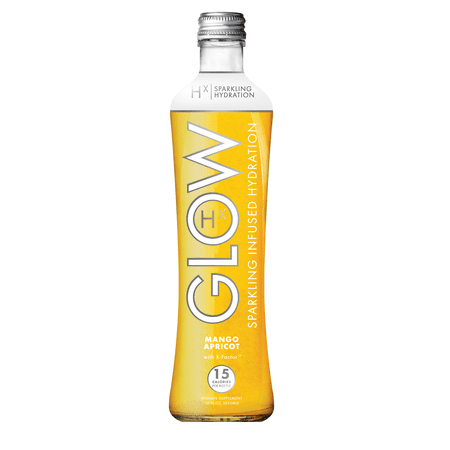

GLOW Beverages Sparkling Infused Hydration - 8 Pack 12oz Glass Bottle - Mango Apricot
Summary
This beverage is ultra-processed, which limits its potential score. It contains beneficial ingredients like vitamins and minerals, which support health, but also includes preservatives such as sodium benzoate and potassium sorbate, which can be concerning due to potential health risks. The presence of 'natural flavors' adds to the processing concerns, as their composition is often undisclosed.
At a glance
Key ingredients 15
Carbonated WaterNeutral
Carbonated water is simply water that has been infused with carbon dioxide gas under pressure. It is a common base for many beverages and does not provide significant nutritional value. It is generally considered safe and neutral in terms of health impact.
See more about Carbonated Water →ErythritolNeutral
Erythritol is a sugar alcohol used as a low-calorie sweetener. It is absorbed in the small intestine and excreted unchanged, minimizing its impact on blood sugar levels. It is generally well-tolerated but can cause digestive discomfort in large amounts.
Risks
Excessive consumption may lead to digestive issues such as bloating or diarrhea.
Benefits
Provides sweetness without the calories or blood sugar impact of regular sugar.
Citric AcidNeutral
Citric acid is a natural acid found in citrus fruits, used as a preservative and flavor enhancer. It is generally recognized as safe and is commonly used in food and beverages. It can enhance flavor and preserve freshness without significant health concerns.
Benefits
Helps preserve the product and enhance its flavor.
Potassium CitrateNeutral
Potassium citrate is a potassium salt of citric acid used to regulate acidity and provide potassium. It is generally safe and can help maintain electrolyte balance. It is used in small amounts and does not pose significant health risks.
Benefits
Contributes to electrolyte balance and acidity regulation.
Natural FlavorBad
Natural flavors are complex mixtures created by flavorists to enhance taste, but their exact composition is often undisclosed. They can contain hundreds of chemicals, some of which may not be beneficial. The lack of transparency and potential for synthetic additives make them a concern for some consumers.
Risks
Potential for undisclosed synthetic additives and allergens.
Benefits
Enhances the flavor of the product.
Ascorbic AcidGood
Ascorbic acid, also known as vitamin C, is an essential nutrient and antioxidant. It supports immune function and skin health and helps protect cells from oxidative damage. It is a beneficial addition to beverages for its health-promoting properties.
Benefits
Supports immune function and acts as an antioxidant.
Sodium ChlorideNeutral
Sodium chloride, or table salt, is used to enhance flavor and preserve food. In small amounts, it is essential for maintaining fluid balance and nerve function. However, excessive intake can lead to health issues such as hypertension.
Risks
Excessive consumption can contribute to high blood pressure.
Benefits
Essential for fluid balance and nerve function in small amounts.
Magnesium CitrateGood
Magnesium citrate is a magnesium salt of citric acid that helps maintain normal muscle and nerve function. It is easily absorbed and can help prevent magnesium deficiency. It is beneficial for its role in supporting overall health.
Benefits
Supports muscle and nerve function and helps prevent magnesium deficiency.
Rebaudioside ANeutral
Rebaudioside A is a steviol glycoside derived from the stevia plant, used as a natural, zero-calorie sweetener. It provides sweetness without affecting blood sugar levels. It is considered safe and neutral in terms of health impact.
Benefits
Provides sweetness without calories or blood sugar impact.
Beta CaroteneGood
Beta carotene is a precursor to vitamin A and acts as an antioxidant. It is used for coloring and provides health benefits by supporting vision and immune function. It is a beneficial addition due to its antioxidant properties.
Benefits
Supports vision and immune function and acts as an antioxidant.
Potassium SorbateBad
Potassium sorbate is a preservative used to inhibit mold and yeast growth. While generally recognized as safe, it can cause allergic reactions in sensitive individuals. Its use as a synthetic preservative is a concern for some consumers.
Risks
May cause allergic reactions in sensitive individuals.
Benefits
Prevents spoilage by inhibiting mold and yeast growth.
Sodium BenzoateBad
Sodium benzoate is a preservative that prevents microbial growth in acidic foods and beverages. It can form benzene, a carcinogen, when combined with vitamin C under certain conditions. Its potential to form harmful compounds makes it a concern.
Risks
Can form benzene, a carcinogen, when combined with vitamin C.
Benefits
Prevents microbial growth and extends shelf life.
NiacinamideGood
Niacinamide, or vitamin B-3, is essential for energy metabolism and skin health. It is water-soluble and supports cellular function and repair. Its inclusion is beneficial for maintaining overall health.
Benefits
Supports energy metabolism and skin health.
Zinc GluconateGood
Zinc gluconate is a zinc salt used to provide zinc, an essential mineral for immune function and wound healing. It is well-absorbed and supports various bodily functions. Its presence is beneficial for immune support.
Benefits
Supports immune function and wound healing.
D-Calcium PantothenateGood
D-calcium pantothenate is a form of vitamin B-5, important for energy production and hormone synthesis. It is water-soluble and supports adrenal function and stress response. Its inclusion is beneficial for energy metabolism.
Benefits
Supports energy production and hormone synthesis.
Processing
Ultra-Processed Foods
Get the full breakdown in the Scout app
Scan any product to see lab results, healthy alternatives, and your personalized analysis.
Download on theApp Store