




At a glance
Summary
This chipotle mustard contains beneficial ingredients like mustard seeds and chipotle peppers, which provide nutrients and flavor. However, the presence of vegetable oil, which is often highly processed and can promote inflammation, detracts from its overall healthiness. The product is moderately processed, which limits its potential score despite having some redeeming qualities.
Key ingredients 8
Mustard seedGood
Mustard seeds are a source of essential nutrients and have been used for their flavor and potential health benefits. They contain compounds like glucosinolates, which may have anti-inflammatory properties. Mustard seeds are minimally processed and retain their natural nutrients.
Benefits
Rich in antioxidants and may support digestive health and reduce inflammation.
Chipotle peppers in adobo sauceGood
Chipotle peppers in adobo sauce provide a smoky flavor and are rich in vitamins and minerals. The peppers are smoked and dried jalapeños, which are then rehydrated in a flavorful sauce. This ingredient adds depth to dishes and contains capsaicin, which may have metabolic benefits.
Risks
May cause digestive discomfort in sensitive individuals due to spiciness.
Benefits
Contains capsaicin, which may boost metabolism and provide anti-inflammatory effects.
SpicesGood
Whole-food seasonings, antioxidant-bearing.
Benefits
May provide antioxidants and other beneficial compounds depending on the specific spices used.
VinegarNeutral
Vinegar is a common condiment ingredient that adds acidity and flavor. It is typically made through the fermentation of ethanol by acetic acid bacteria. While it has no significant nutritional benefits, it can enhance the flavor profile of foods.
Benefits
Vinegar can aid in flavor enhancement and preservation of foods.
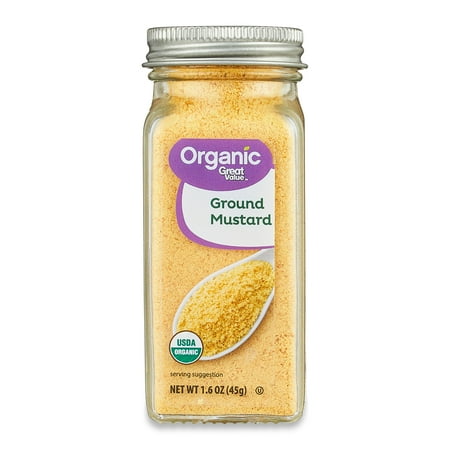
Mustard powderNeutral
Mustard powder is a ground form of mustard seeds used for flavoring. It retains the nutritional properties of mustard seeds but is more concentrated. It is a common ingredient in condiments and sauces.
Benefits
Provides flavor and may offer similar health benefits to whole mustard seeds.
WaterNeutral
Water is used as a solvent and to adjust the consistency of the product. It is a neutral ingredient with no nutritional value. Its primary role is functional in food processing.
See more about Water →SaltNeutral
Salt is used to enhance flavor and preserve food. It is a common ingredient in condiments but should be consumed in moderation due to potential health impacts. Excessive salt intake can lead to health issues such as hypertension.
Risks
High sodium intake can contribute to hypertension and cardiovascular issues.
Benefits
Enhances flavor and acts as a preservative in foods.
Vegetable oilBad
Vegetable oil is often highly processed and can contain high levels of omega-6 fatty acids. These oils are typically extracted using chemical solvents and high heat, which can degrade their nutritional quality. Excessive consumption of omega-6 fatty acids may promote inflammation.
Risks
High omega-6 content may promote inflammation when consumed in excess.
Processing
Processed Foods
Get the full breakdown in the Scout appTake Scout shopping
Scan any product to see lab results, healthy alternatives, and your personalized analysis.
Download on theApp Store GET IT ONGoogle Play