


At a glance
Summary
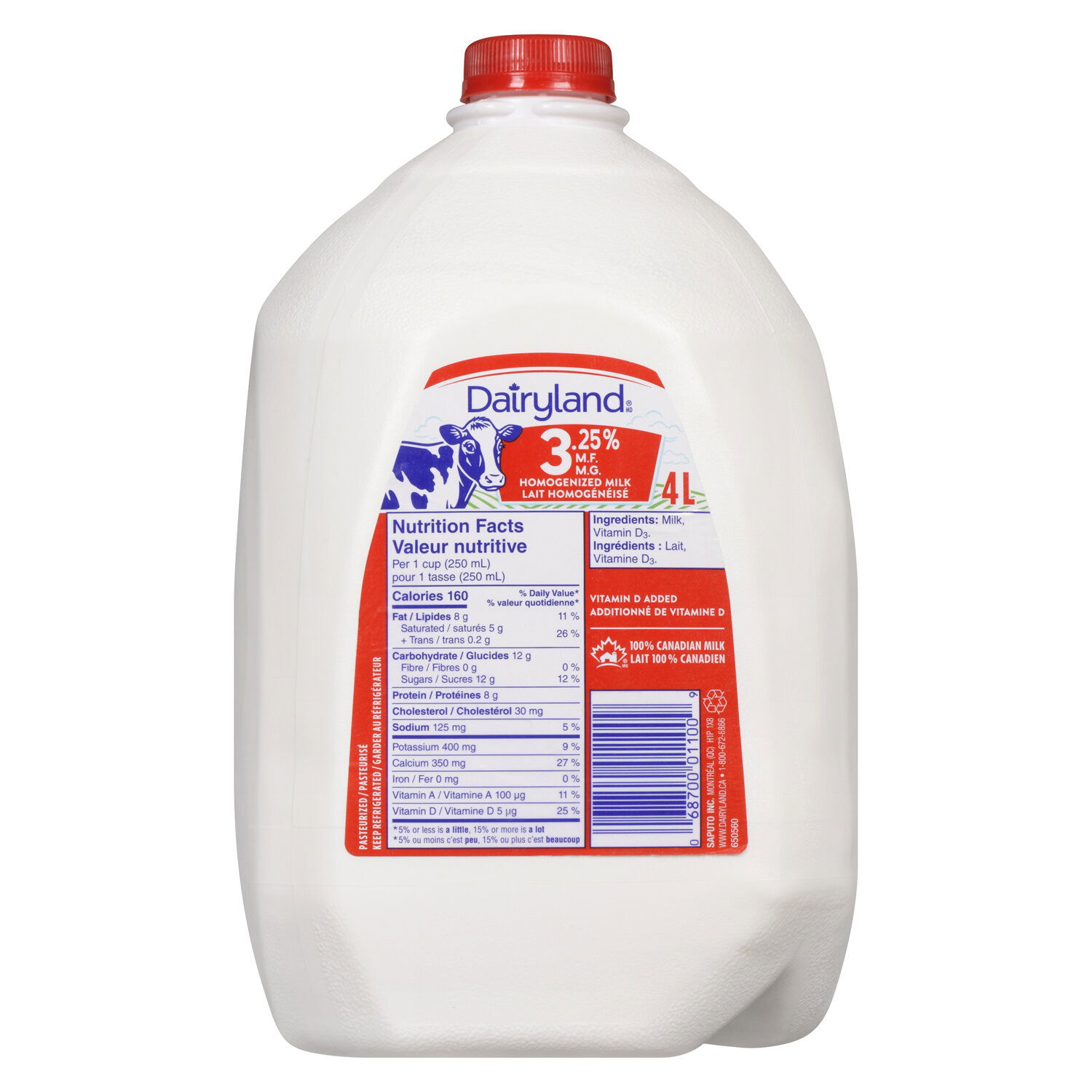
This product is primarily made from full cream milk, which is a good source of essential nutrients like calcium and protein. However, it includes sodium phosphate as a stabilizer, which contributes to its processed nature and can affect mineral balance in the body. The presence of additives and its processing level limit its score, despite the beneficial aspects of the milk.
Key ingredients 3
Full cream milkGood
Full cream milk is a natural source of essential nutrients such as calcium, protein, and vitamins. It provides a rich source of high-quality animal-based protein and healthy fats. The presence of natural fats aids in the absorption of fat-soluble vitamins.
Risks
Potential risks include lactose intolerance or milk allergies in some individuals.
Benefits
Rich in calcium and vitamin D, which are crucial for bone health. Provides high-quality protein that supports muscle maintenance and growth.
Vitamin D3Good
Beneficial ingredient — whole-food or functional value in this product class.
Risks
Excessive intake can lead to hypercalcemia, which can cause nausea and weakness.
Benefits
Supports bone health and immune function by aiding calcium absorption.
Sodium phosphateBad
Sodium phosphate is used as a stabilizer and can contribute to the processed nature of foods. Excessive intake of phosphates can lead to imbalances in calcium and phosphorus levels in the body. It is often used in processed foods to maintain texture and moisture.
Risks
High intake of phosphates may lead to kidney damage and cardiovascular issues over time.
Processing
Processed Foods
Get the full breakdown in the Scout appTake Scout shopping
Scan any product to see lab results, healthy alternatives, and your personalized analysis.
Download on theApp Store GET IT ONGoogle Play