


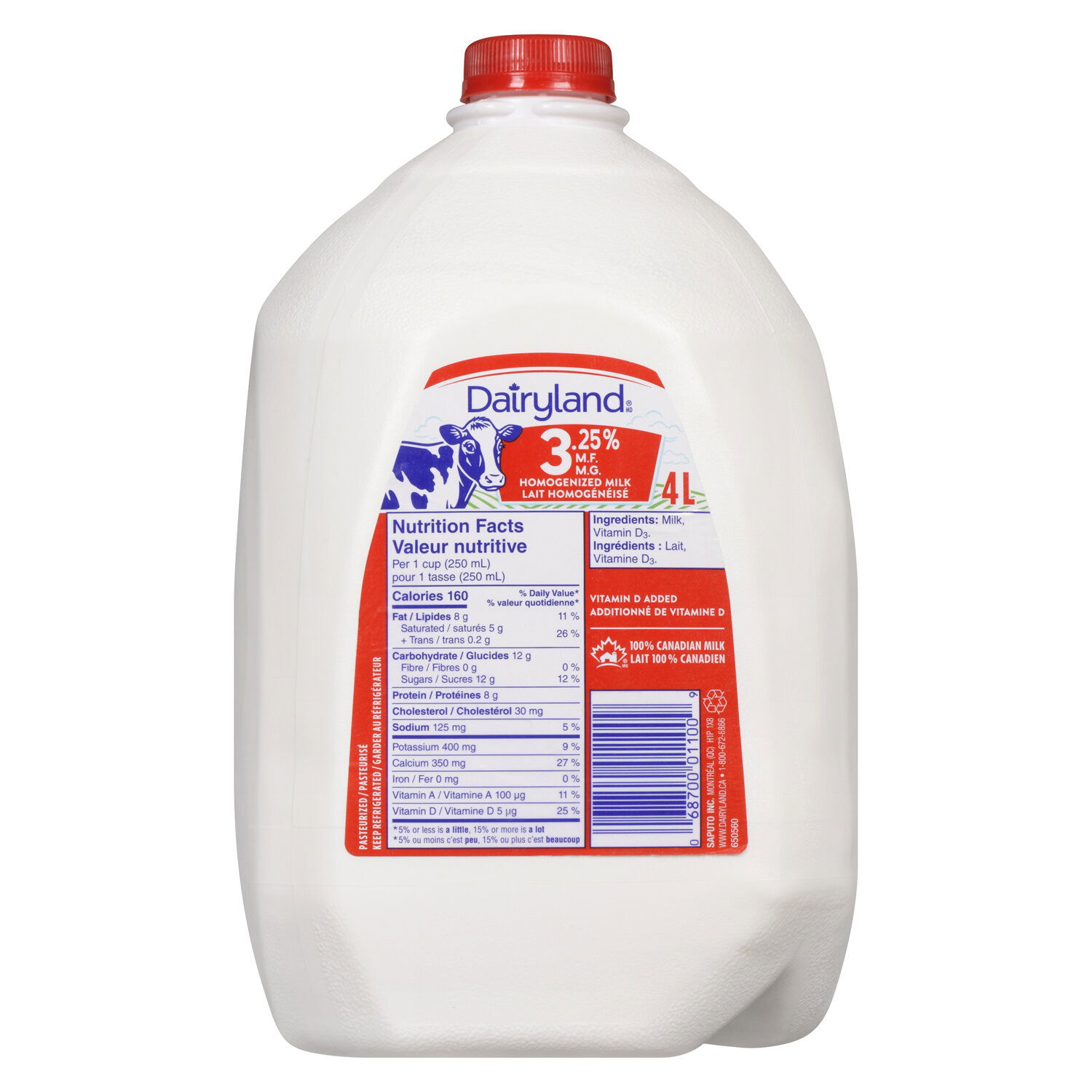
At a glance
Summary
This low-fat milk product contains beneficial ingredients like fresh cow's milk, milk solids, and added vitamins A and D3, which enhance its nutritional profile. However, the presence of stabilizers and emulsifiers indicates a higher level of processing, which can affect its overall healthiness. While it offers a good source of protein and calcium, the additives and processing level limit its score.
Key ingredients 9
Fresh low fat cow's milkGood
This ingredient provides essential nutrients and is a natural source of dairy goodness, making it beneficial for a balanced diet.
vitamin D3Good
Beneficial ingredient — whole-food or functional value in this product class.
See more about vitamin D3 →waterNeutral
Water is a neutral ingredient that helps maintain the product's consistency without adding any health concerns.
See more about water →milk solidsNeutral
Milk solids are processed components that contribute to texture but do not significantly impact health positively or negatively.
See more about milk solids →milk fatNeutral
Milk fat is a natural component of dairy, providing flavor and texture, though it is neutral in health impact in this context.
See more about milk fat →vitamin ANeutral
Vitamin A is added to support nutritional value but is considered neutral in overall ingredient quality.
See more about vitamin A →E407Bad
Part of stabilizers. Stabilizers are additives that some consumers prefer to avoid due to their processed nature and potential sensitivities.
E412Bad
Part of stabilizers. Stabilizers are additives that some consumers prefer to avoid due to their processed nature and potential sensitivities.
See more about E412 →vegetable emulsifier (E471)Bad
Vegetable emulsifiers are artificial additives that may be viewed as less desirable in minimally processed foods.
Processing
Processed Foods
Get the full breakdown in the Scout appTake Scout shopping
Scan any product to see lab results, healthy alternatives, and your personalized analysis.
Download on theApp Store GET IT ONGoogle Play