


At a glance
Summary
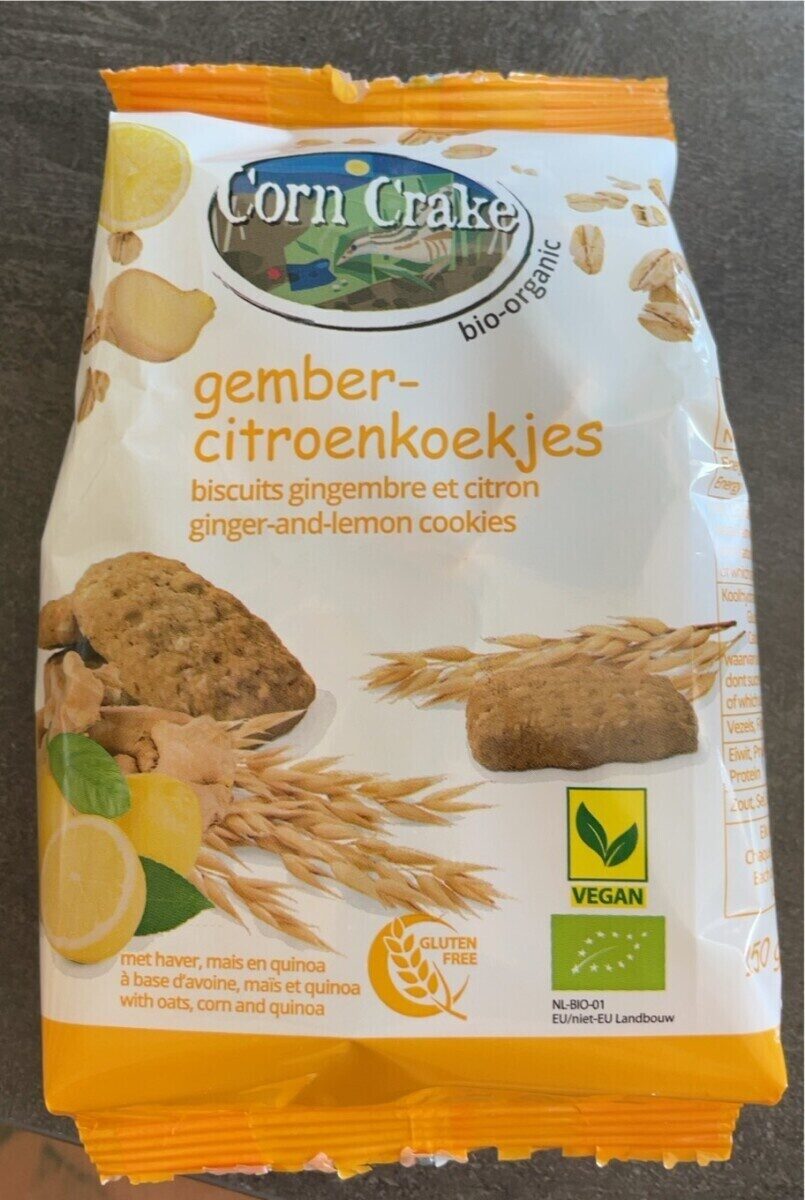
This product features a blend of whole grains and nutrient-dense ingredients like oats, buckwheat flour, flaxseed meal, and chia seeds, which contribute to its nutritional value. However, it is a processed food with added sugars and a moderate level of processing, which limits its score. The use of coconut oil is a positive aspect, but the presence of added sugars and the processing level prevent it from achieving a higher rating.
Key ingredients 12
OatsVery Good
Oats are a whole grain rich in fiber and essential nutrients. They support heart health and provide sustained energy. Minimal processing retains their nutritional benefits.
Benefits
High in soluble fiber, which can help lower cholesterol levels and improve digestive health.
Buckwheat flourGood
Buckwheat flour is a nutritious, gluten-free flour rich in fiber and essential minerals. It supports heart health and provides antioxidants. Its unique flavor enhances baked goods.
Benefits
Rich in antioxidants and minerals like magnesium, which can support heart health.
Coconut oilGood
Coconut oil is a source of medium-chain triglycerides (MCTs) that can provide quick energy. It is stable at high temperatures, making it suitable for baking. Contains lauric acid, which may support immune health.
Risks
High in saturated fats, which may impact heart health if consumed in large amounts.
Benefits
Provides MCTs that are easily metabolized for energy and may support weight management.
Flaxseed mealGood
Flaxseed meal is rich in omega-3 fatty acids and fiber. It supports heart health and aids digestion. Ground form enhances nutrient absorption.
Benefits
High in lignans and omega-3s, which may reduce inflammation and improve heart health.
Chia seedsGood
Chia seeds are a nutrient-dense superfood high in omega-3 fatty acids, fiber, and protein. They support heart health and provide sustained energy. Their gel-forming ability aids in hydration and digestion.
Benefits
Rich in antioxidants and essential nutrients, promoting overall health and well-being.
Ginger spicesGood
Ginger spices are known for their anti-inflammatory and digestive benefits. They add flavor and aroma to foods. Contains bioactive compounds like gingerol that may reduce nausea.
Benefits
May help alleviate nausea and improve digestion due to its anti-inflammatory properties.
Rice flourNeutral
Rice flour is a gluten-free alternative to wheat flour. It is low in nutrients compared to whole grains. Often used in gluten-free baking for its light texture.
Benefits
Provides a gluten-free option for those with celiac disease or gluten sensitivity.
Corn flourNeutral
Corn flour is a refined flour that provides carbohydrates. It lacks the fiber and nutrients found in whole corn. Commonly used in baking for its fine texture.
Benefits
Offers a gluten-free alternative for baking and cooking.
Coconut blossom syrupNeutral
Coconut blossom syrup is a natural sweetener with a lower glycemic index than refined sugar. It retains some nutrients from the coconut palm. Used as a healthier alternative to refined sugars.
Risks
May contribute to increased blood sugar levels if consumed in excess.
Benefits
Contains trace amounts of vitamins and minerals, offering a slightly healthier alternative to refined sugar.
Tapioca starchNeutral
Tapioca starch is a refined carbohydrate used as a thickener and binder. It is gluten-free and flavorless. Provides texture in gluten-free baking.
Benefits
Offers a gluten-free thickening option for various recipes.
Sodium bicarbonateNeutral
Sodium bicarbonate is a common leavening agent used in baking. It helps dough rise by releasing carbon dioxide. Generally recognized as safe when used in typical amounts.
Risks
Excessive consumption may lead to alkalosis or electrolyte imbalances.
Lemon oilNeutral
Lemon oil is used for its flavor and aroma in foods. It is extracted from lemon peels and contains limonene. Provides a natural citrus flavor without added sugars.
Benefits
Adds natural flavor and aroma to foods without artificial additives.
Processing
Processed Foods
Get the full breakdown in the Scout appTake Scout shopping
Scan any product to see lab results, healthy alternatives, and your personalized analysis.
Download on theApp Store GET IT ONGoogle Play