

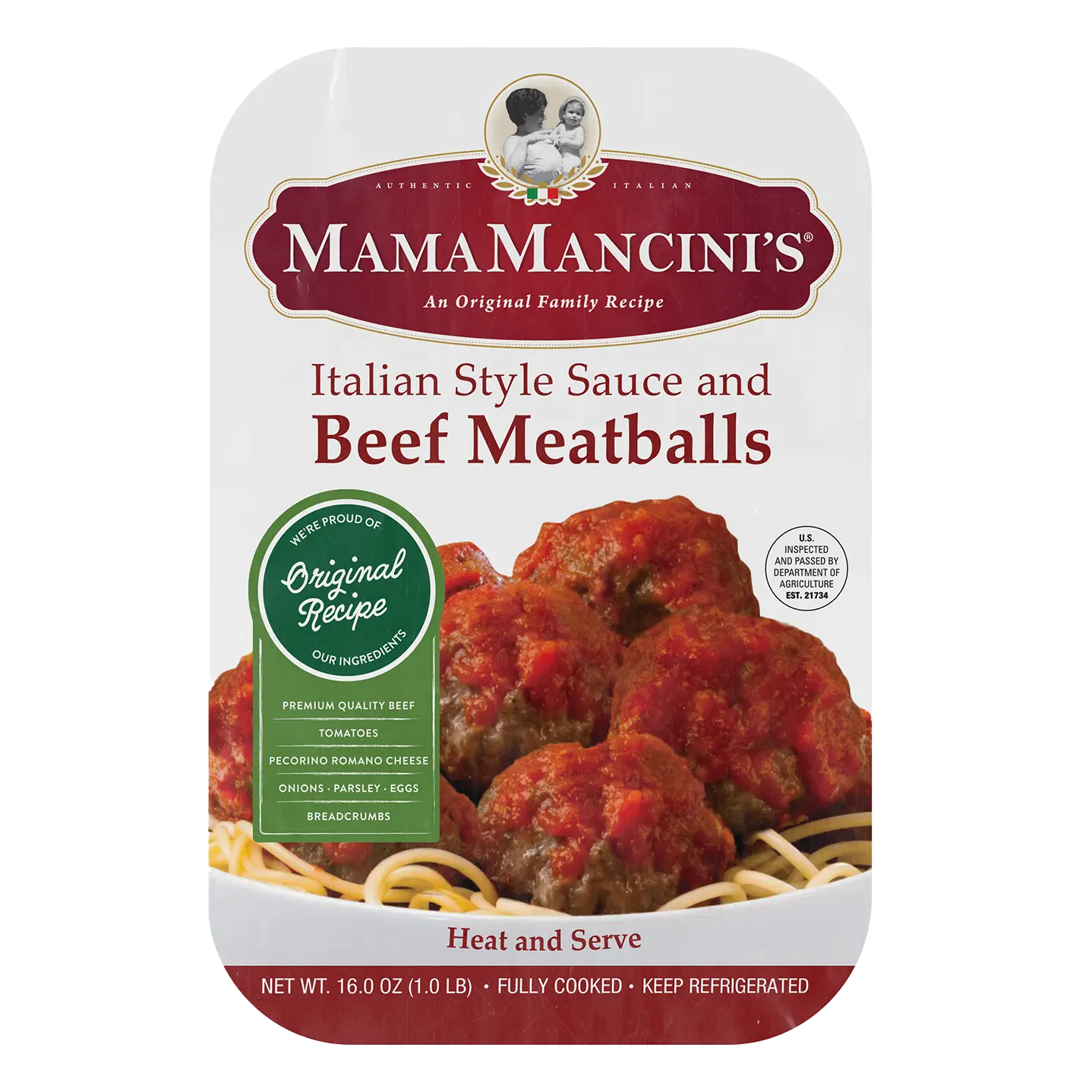


Mama Mancini's Beef Meatballs
Analysis updated June 2026 · How Scout scores
At a glance
Summary
The beef meatballs are made with high-quality ingredients like ground beef, Pecorino Romano cheese, and tomatoes, which provide essential nutrients and beneficial compounds. The product is processed, but it avoids harmful additives and seed oils, maintaining a clean ingredient list. The processing level limits the score, but the overall nutritional profile and ingredient quality are commendable.
Key ingredients 9
TomatoesVery Good
Tomatoes are a nutrient-dense food rich in vitamins C and K, potassium, and antioxidants like lycopene. Lycopene has been linked to reduced risk of heart disease and cancer. Cooking tomatoes increases the bioavailability of lycopene.
Benefits
High in antioxidants and vitamins, supporting immune function and reducing inflammation.
OnionsVery Good
Onions are low in calories and high in vitamins, minerals, and antioxidants. They contain quercetin, which has anti-inflammatory properties. Onions can enhance the flavor profile of dishes naturally.
Benefits
Rich in antioxidants and compounds that may reduce inflammation and improve heart health.
Ground BeefGood
Ground beef is a rich source of high-quality protein and essential nutrients like iron and vitamin B12. It provides a complete amino acid profile necessary for muscle maintenance and repair. Choosing lean cuts can reduce saturated fat intake.
Risks
Excessive consumption of red meat may be linked to increased risk of certain health issues, such as heart disease.
Benefits
Provides essential nutrients like iron and vitamin B12, which are crucial for energy production and neurological function.
Pecorino Romano CheeseGood
Pecorino Romano cheese adds flavor and richness, and is a source of calcium and protein. Made from sheep's milk, it contains beneficial fatty acids and vitamins. Its strong flavor allows for use in small amounts, reducing calorie intake.
Risks
High in sodium, which can contribute to hypertension if consumed in excess.
Benefits
Rich in calcium and protein, supporting bone health and muscle function.
ParsleyGood
Parsley is a fresh herb that adds flavor and is rich in vitamins A, C, and K. It contains antioxidants and may support bone health and immune function. Its use in small amounts can enhance the nutritional profile of dishes.
Benefits
Provides vitamins and antioxidants that support overall health.
EggsGood
Eggs are a high-quality protein source and contain essential nutrients like choline and vitamin D. They support muscle building and brain health. Consuming whole eggs provides a balance of protein and healthy fats.
Risks
Some individuals may have allergies to eggs.
Benefits
Rich in protein and essential nutrients, supporting muscle and brain health.
PepperGood
Pepper is a spice that adds flavor and contains piperine, which may enhance nutrient absorption. It has antioxidant properties and can aid digestion. Its use in small amounts can improve the taste and nutritional profile of dishes.
Benefits
Contains antioxidants and may enhance nutrient absorption.
BreadcrumbsNeutral
Breadcrumbs are used as a filler and binder in meatballs, contributing to texture and moisture. They are typically made from refined wheat flour, which offers little nutritional value. Whole grain alternatives could provide more fiber and nutrients.
Risks
May contain gluten, which can be a concern for individuals with celiac disease or gluten sensitivity.
SaltNeutral
Salt is used to enhance flavor and preserve food. It is essential for maintaining fluid balance and nerve function. However, excessive intake can lead to hypertension and cardiovascular issues.
Risks
High sodium intake is associated with increased risk of hypertension and cardiovascular diseases.
Benefits
Essential for maintaining fluid balance and nerve function.
Processing
Processed Foods
Get the full breakdown in the Scout appTake Scout shopping
Scan any product to see lab results, healthy alternatives, and your personalized analysis.
Download on theApp Store GET IT ONGoogle PlayAmazon pricing & content
Amazon price as of . Product prices and availability are accurate as of the date/time indicated and are subject to change. Any price and availability information displayed on Amazon.com at the time of purchase will apply to the purchase of this product.
CERTAIN CONTENT THAT APPEARS ON THIS SITE COMES FROM AMAZON. THIS CONTENT IS PROVIDED “AS IS” AND IS SUBJECT TO CHANGE OR REMOVAL AT ANY TIME.