



At a glance
Summary
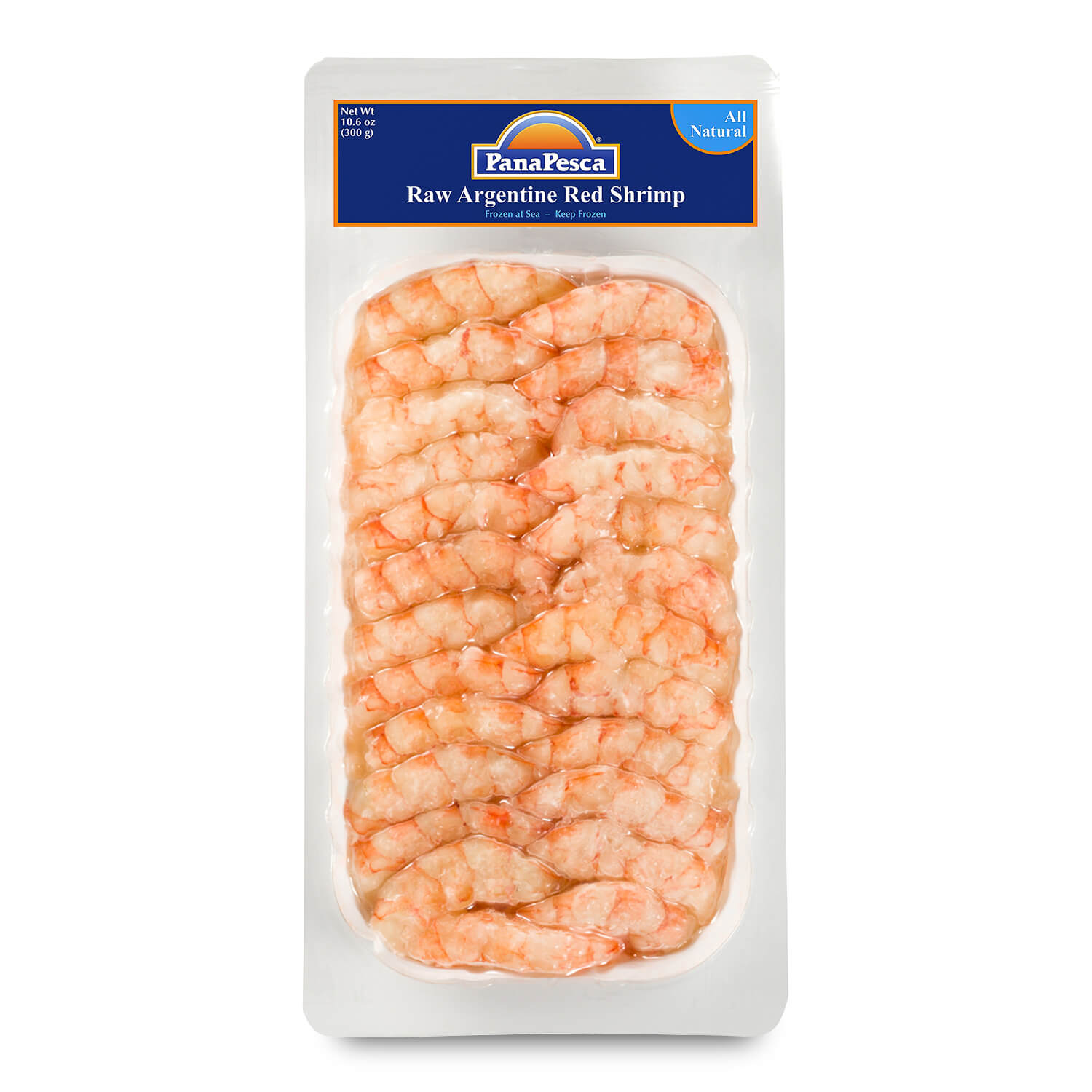
This product consists of wild-caught shrimp, which is a high-quality protein source with beneficial omega-3 fatty acids. However, it includes several additives such as sodium metabisulphite, which can cause allergic reactions in sensitive individuals. The presence of these additives and the processing level limit its score, despite the nutritional benefits of the shrimp itself.
Key ingredients 5
Wild shrimpGood
Wild shrimp is a high-quality source of protein and essential nutrients. It is minimally processed and provides omega-3 fatty acids beneficial for heart health. Wild-caught shrimp is generally considered more sustainable and environmentally friendly compared to farmed shrimp.
Risks
Potential allergen for individuals with shellfish allergies.
Benefits
Rich in protein and omega-3 fatty acids, supporting cardiovascular health and muscle maintenance.
Citric acidNeutral
Citric acid is a natural preservative and flavor enhancer commonly used in food products. It is generally recognized as safe and helps maintain freshness. It is naturally found in citrus fruits and used to add acidity.
Risks
Excessive consumption may cause tooth enamel erosion.
Benefits
Helps preserve food and enhance flavor without significant health risks.
Sodium citrateNeutral
Sodium citrate is used as an acidity regulator and emulsifier in food products. It is generally recognized as safe and helps maintain product stability. It is a salt of citric acid and contributes to the tart flavor.
Risks
High intake may contribute to sodium overload in sensitive individuals.
Benefits
Acts as an emulsifier and acidity regulator, enhancing food texture and stability.
Sodium carbonateNeutral
Sodium carbonate is used as a pH regulator and anti-caking agent in food processing. It is generally recognized as safe and helps maintain product quality. It is a common additive in various food products.
Risks
Excessive consumption may lead to digestive discomfort.
Benefits
Helps regulate pH and prevent caking, maintaining product quality.
Sodium metabisulphiteBad
Sodium metabisulphite is a preservative used to prevent spoilage and discoloration. It can cause allergic reactions in sensitive individuals, particularly those with asthma. It is a sulfite compound that may trigger respiratory issues.
Risks
May cause allergic reactions and respiratory issues in sensitive individuals.
Benefits
Effective in preserving food and preventing spoilage, extending shelf life.
Processing
Processed Foods
Get the full breakdown in the Scout appTake Scout shopping
Scan any product to see lab results, healthy alternatives, and your personalized analysis.
Download on theApp Store GET IT ONGoogle Play