



At a glance
Summary
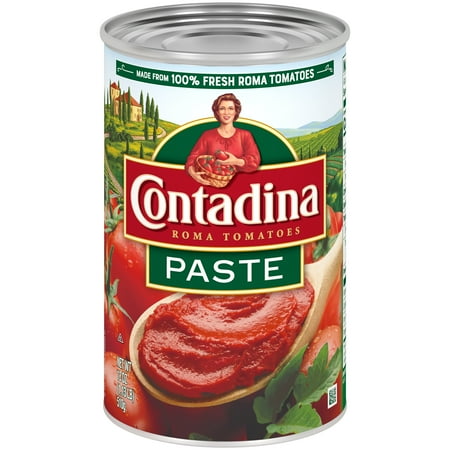
This organic tomato paste is made from minimally processed organic tomato pulp, which is rich in vitamins and antioxidants. The use of organic ingredients ensures the absence of synthetic pesticides and fertilizers, enhancing its nutritional profile. The product's simplicity and lack of harmful additives contribute to its high rating.
Key ingredients 2
Organic Tomato PulpVery Good
Organic tomato pulp is a minimally processed ingredient rich in vitamins and antioxidants. Being organic, it is free from synthetic pesticides and fertilizers, enhancing its nutritional profile. It provides a natural source of lycopene, which is linked to various health benefits.
Benefits
Rich in lycopene, which may reduce the risk of certain chronic diseases. Provides essential vitamins and minerals, contributing to overall health.
Citric AcidNeutral
Citric acid is a natural preservative commonly used to enhance flavor and preserve freshness. It is generally recognized as safe when used in food products. While it is naturally occurring in citrus fruits, the citric acid used in food processing is often synthetically produced.
Risks
Excessive consumption may lead to dental erosion or gastrointestinal discomfort in sensitive individuals.
Benefits
Helps preserve the product and maintain its flavor without significant nutritional benefits.
Processing
Unprocessed or Minimally Processed Foods
Get the full breakdown in the Scout appTake Scout shopping
Scan any product to see lab results, healthy alternatives, and your personalized analysis.
Download on theApp Store GET IT ONGoogle Play