


At a glance
Summary
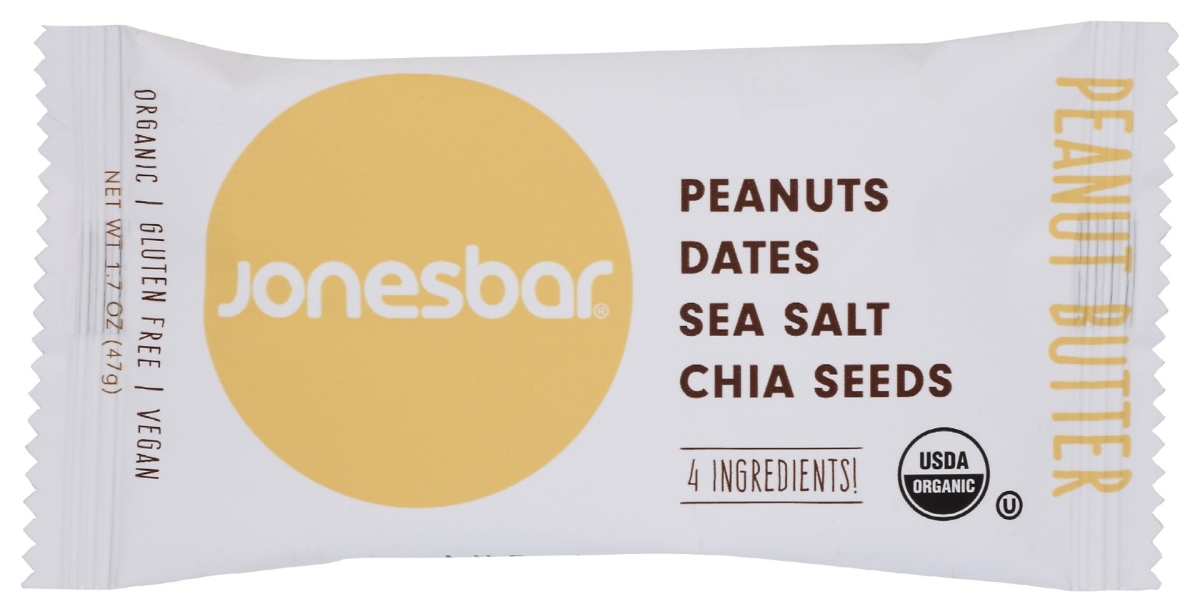
This snack bar features several beneficial ingredients such as peanuts, natural peanut butter, and olive oil, which provide healthy fats and protein. However, it contains organic cane sugar, which is a refined sugar contributing to calorie intake without significant nutrients. The product is moderately processed, which limits its score despite the presence of some high-quality ingredients.
Key ingredients 13
Olive oilVery Good
Olive oil is a high-quality monounsaturated fat with anti-inflammatory properties. It contains antioxidants that support heart health. Cold-pressed extraction preserves beneficial compounds.
Benefits
Rich in monounsaturated fats that support heart health and provide anti-inflammatory properties.
PeanutsGood
Peanuts are a good source of protein and healthy fats. They contain essential nutrients like magnesium and vitamin E. Peanuts are minimally processed and provide a natural energy boost.
Risks
Peanuts can be allergenic for some individuals, potentially causing severe reactions.
Benefits
Rich in monounsaturated fats and protein, supporting heart health and muscle maintenance.
Natural peanut butterGood
Natural peanut butter is made from ground peanuts without added sugars or hydrogenated oils. It retains the nutritional benefits of peanuts, including healthy fats and protein. The absence of additives makes it a cleaner choice.
Risks
Potential allergen for those with peanut allergies.
Benefits
Provides healthy fats and protein, contributing to satiety and energy.
Jerusalem artichoke fiberGood
Jerusalem artichoke fiber is a prebiotic fiber that supports gut health. It is minimally processed and provides dietary fiber that aids digestion. This ingredient is beneficial for maintaining a healthy gut microbiome.
Risks
Excessive consumption may cause digestive discomfort in some individuals.
Benefits
Supports digestive health by promoting beneficial gut bacteria.
Coconut oilGood
Coconut oil is a source of medium-chain triglycerides (MCTs) that can provide quick energy. It is less processed and retains beneficial compounds. Coconut oil is often used for its flavor and health benefits.
Risks
High in saturated fats, which should be consumed in moderation.
Benefits
Provides MCTs that are easily metabolized for energy.
Sea saltGood
Sea salt is a minimally processed salt that contains trace minerals. It is used to enhance flavor and provide essential sodium. Sea salt is considered a healthier alternative to refined table salt.
Risks
Excessive sodium intake can lead to hypertension and cardiovascular issues.
Benefits
Provides essential sodium and trace minerals that support bodily functions.
Gluten-free oat flourGood
Gluten-free oat flour is a whole grain flour that is high in fiber and nutrients. It is minimally processed and suitable for those with gluten sensitivities. Oat flour contributes to the fiber content of the product.
Benefits
Rich in fiber, supporting digestive health and providing sustained energy.
Pea proteinNeutral
Pea protein is a plant-based protein source that is hypoallergenic and easily digestible. It provides a good amino acid profile but lacks some essential amino acids found in animal proteins. It is often used in plant-based products for its protein content.
Risks
May not provide a complete amino acid profile compared to animal proteins.
Benefits
Offers a plant-based protein option that is suitable for vegans and vegetarians.
Fava bean proteinNeutral
Fava bean protein is a plant-based protein source that is rich in amino acids. It is less processed than some other plant proteins but may not provide a complete amino acid profile. It is used to boost protein content in plant-based products.
Risks
May cause digestive issues in sensitive individuals.
Benefits
Provides a plant-based protein source that is rich in essential amino acids.
Shea butterNeutral
Shea butter is a fat extracted from the nuts of the shea tree. It is primarily used for its moisturizing properties in cosmetics but can be used in food products for texture. It is minimally processed and contains healthy fats.
Benefits
Contains healthy fats that can contribute to a balanced diet.
Fruit juice concentrateNeutral
Fruit juice concentrate is used as a natural sweetener and flavoring agent. It is more processed than whole fruit but retains some vitamins and minerals. It contributes to the sugar content of the product.
Risks
High in sugars, which can contribute to increased calorie intake.
Benefits
Provides natural fruit flavors and some vitamins.
Tapioca syrupBad
Processed additive flagged under Scout's ingredient doctrine.
Risks
Contributes to overall sugar intake, which should be moderated.
Benefits
Provides a natural source of carbohydrates for energy.
Organic cane sugarBad
Organic cane sugar is a refined sugar that contributes to calorie intake without providing significant nutrients. It is less processed than white sugar but still impacts blood sugar levels. Excessive consumption can lead to health issues.
Risks
High sugar intake can lead to weight gain and increased risk of chronic diseases.
Processing
Processed Foods
Get the full breakdown in the Scout appTake Scout shopping
Scan any product to see lab results, healthy alternatives, and your personalized analysis.
Download on theApp Store GET IT ONGoogle Play