

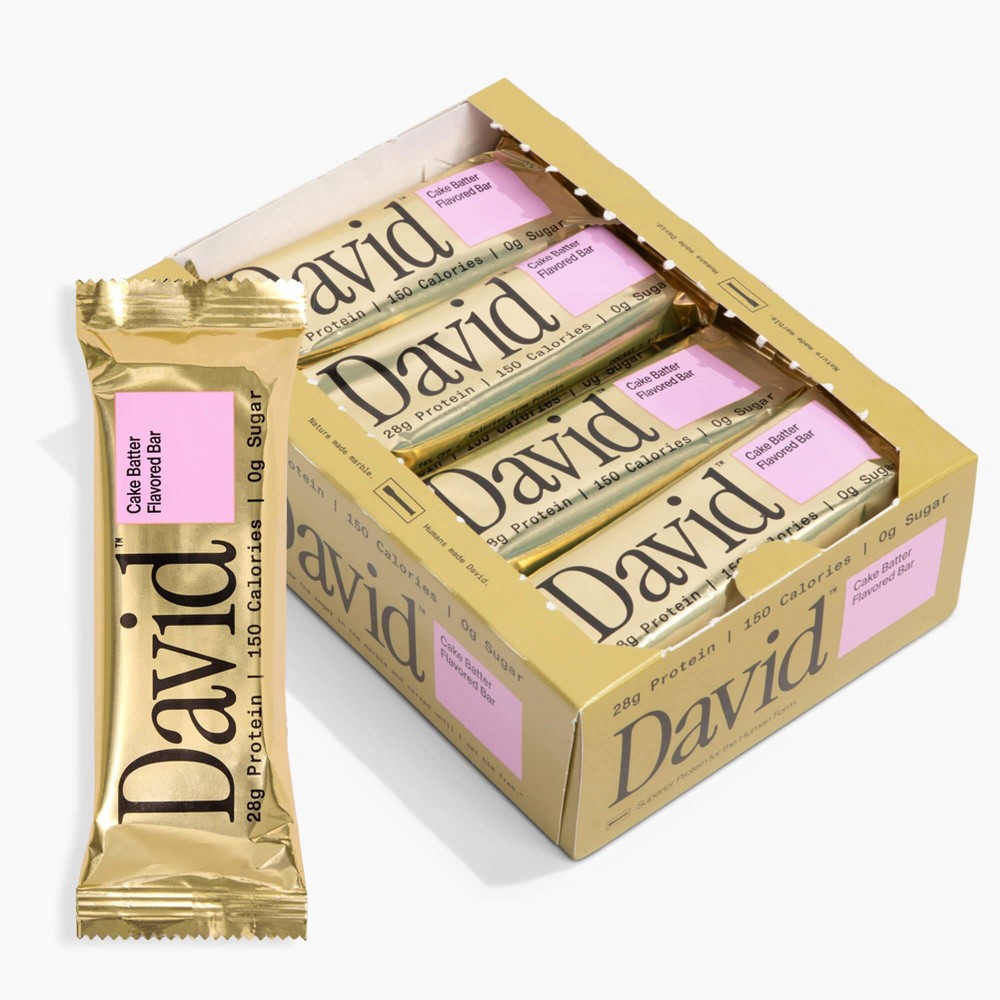


Quest Lemon Cake
Summary
The Quest Lemon Cake protein bar contains high-quality protein sources like milk protein isolate and whey protein isolate, which are beneficial for muscle repair and growth. However, the presence of palm kernel oil and natural flavors, which lack transparency and nutritional benefits, slightly detracts from its overall healthiness. Additionally, the use of multiple additives, including sunflower lecithin and xanthan gum, contributes to a moderate level of processing.
At a glance
Key ingredients 15
Milk Protein IsolateGood
Milk protein isolate is a high-quality protein source with a complete amino acid profile, beneficial for muscle repair and growth. It is derived from milk and undergoes minimal processing to retain its nutritional value. Compared to plant-based proteins, it offers superior digestibility and bioavailability.
Benefits
Provides essential amino acids necessary for muscle maintenance and recovery.
Whey Protein IsolateVery Good
Whey protein isolate is a highly refined protein with minimal lactose and fat, making it ideal for those seeking lean protein sources. It is derived from milk and is known for its rapid absorption and high leucine content, which is crucial for muscle protein synthesis. This protein type is often favored by athletes for its effectiveness in supporting muscle growth.
Benefits
Supports muscle growth and recovery due to its high leucine content and rapid absorption.
Soluble Corn FiberNeutral
Soluble corn fiber is a prebiotic fiber that can aid in digestive health by promoting beneficial gut bacteria. It is produced through the enzymatic hydrolysis of corn starch, which may raise concerns for those avoiding corn-derived products. However, it is generally recognized as safe and can help increase dietary fiber intake.
Risks
May cause digestive discomfort in some individuals if consumed in large amounts.
Benefits
Acts as a prebiotic, supporting gut health and increasing dietary fiber intake.
AlmondsGood
Almonds are a nutrient-dense nut rich in healthy fats, protein, and vitamins such as vitamin E. They are minimally processed and provide a good source of monounsaturated fats, which are beneficial for heart health. Additionally, almonds offer antioxidants that can help reduce oxidative stress.
Benefits
Rich in healthy fats and antioxidants, supporting heart health and reducing oxidative stress.
ErythritolNeutral
Erythritol is a sugar alcohol used as a low-calorie sweetener, providing sweetness without raising blood sugar levels. It is produced through the fermentation of glucose and is well-tolerated by most people. Unlike other sugar alcohols, erythritol is less likely to cause digestive issues.
Risks
Excessive consumption may lead to digestive discomfort in sensitive individuals.
Benefits
Provides sweetness with minimal impact on blood sugar levels, making it suitable for diabetics.
Natural FlavorsBad
Natural flavors are a catch-all term for flavoring agents derived from natural sources, but their exact composition is often undisclosed. This lack of transparency can be concerning for consumers seeking to avoid certain additives. While they enhance taste, they do not provide nutritional benefits.
Risks
Potential for undisclosed allergens or additives that some individuals may wish to avoid.
Benefits
Enhances the flavor profile of the product without adding calories.
Palm Kernel OilBad
Palm kernel oil is a saturated fat that is often used in processed foods for its stability and texture-enhancing properties. It is derived from the kernel of the oil palm fruit and is associated with environmental concerns due to deforestation. While it provides a stable fat source, it lacks the health benefits of unsaturated fats.
Risks
High in saturated fats, which may contribute to heart disease if consumed in excess.
Benefits
Provides a stable fat source for food processing, enhancing texture and shelf life.
Lemon PowderNeutral
Lemon powder is made from dehydrated lemon juice and zest, providing a natural source of flavor and vitamin C. It is minimally processed and can enhance the taste of food products. However, the vitamin C content may be reduced during processing.
Benefits
Adds natural lemon flavor and a small amount of vitamin C.
Sodium CaseinateNeutral
Sodium caseinate is a protein derived from casein in milk, used as an emulsifier and stabilizer in food products. It is highly processed but provides a complete amino acid profile. While it is beneficial for protein fortification, it may not be suitable for those with dairy allergies.
Risks
May cause allergic reactions in individuals with dairy allergies.
Benefits
Contributes to protein content and acts as an emulsifier in food products.
Sea SaltNeutral
Sea salt is a natural source of sodium and trace minerals, used to enhance flavor in foods. It is minimally processed compared to table salt, retaining some minerals. However, excessive sodium intake can lead to health issues such as hypertension.
Risks
Excessive consumption can contribute to high blood pressure and cardiovascular issues.
Benefits
Provides essential sodium and trace minerals, enhancing flavor.
Citric AcidNeutral
Citric acid is a natural acid found in citrus fruits, used as a preservative and flavor enhancer in foods. It is produced through fermentation and is generally recognized as safe. While it enhances flavor, it does not provide significant nutritional benefits.
Benefits
Acts as a preservative and enhances the tartness of foods.
Xanthan GumNeutral
Xanthan gum is a polysaccharide used as a thickening and stabilizing agent in foods. It is produced through the fermentation of sugars and is widely used in gluten-free products. While it improves texture, it does not offer nutritional benefits.
Risks
May cause digestive discomfort in sensitive individuals if consumed in large amounts.
Benefits
Improves texture and stability in food products, especially in gluten-free formulations.
Baking SodaNeutral
Baking soda is a leavening agent used to help baked goods rise, providing a light and airy texture. It is a simple chemical compound with no significant nutritional value. While essential for baking, it should be used in moderation to avoid altering the taste of food.
Risks
Excessive consumption can lead to an imbalance in body pH levels.
Benefits
Essential for leavening in baking, contributing to the texture of baked goods.
Stevia SweetenerNeutral
Stevia sweetener is a natural, zero-calorie sweetener derived from the leaves of the Stevia plant. It is used as a sugar substitute and does not affect blood sugar levels. While it provides sweetness, it may have a slightly bitter aftertaste for some individuals.
Benefits
Offers a natural, calorie-free alternative to sugar, suitable for diabetics.
Sunflower LecithinBad
Sunflower lecithin is an emulsifier derived from sunflower seeds, used to improve texture and blend ingredients. It is less processed than soy lecithin but still involves chemical extraction. While it aids in food processing, it does not provide significant nutritional benefits.
Risks
May contain trace amounts of solvents used in extraction, though generally considered safe.
Benefits
Improves texture and consistency in food products, aiding in ingredient blending.
Processing
Ultra-Processed Foods
Get the full breakdown in the Scout app
Scan any product to see lab results, healthy alternatives, and your personalized analysis.
Download on theApp Store