


Coastal Berry Trail Mix
Analysis updated July 2026 · How Scout scores
At a glance
Summary
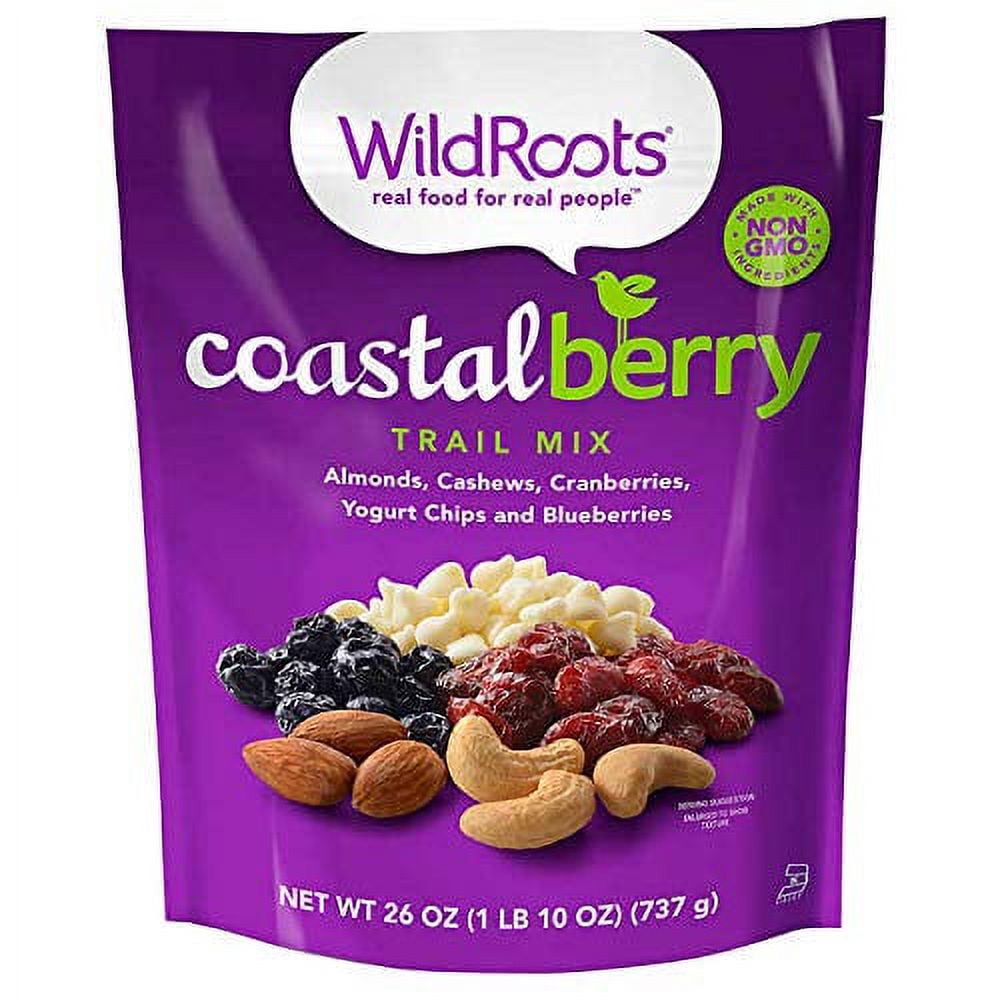
The Coastal Berry Trail Mix contains beneficial ingredients like roasted almonds, cashews, and wild blueberries, which provide healthy fats, protein, and antioxidants. However, the presence of refined sugar and multiple seed oils such as canola and sunflower oil significantly detracts from its nutritional quality. These oils are high in omega-6 fatty acids and are often processed using methods that can degrade their nutritional value, contributing to inflammation when consumed in excess.
Key ingredients 10
Wild blueberriesVery Good
Wild blueberries are rich in antioxidants, vitamins, and fiber. They are known for their high anthocyanin content, which supports brain and heart health. Minimal processing retains most of their nutritional benefits.
Benefits
High in antioxidants that may reduce oxidative stress and support overall health.
Roasted almondsGood
Roasted almonds are a good source of healthy fats, protein, and fiber. They provide essential nutrients such as vitamin E and magnesium. The roasting process enhances flavor but may slightly reduce some heat-sensitive nutrients.
Risks
Roasting can lead to the formation of acrylamides, which are potential carcinogens.
Benefits
Rich in monounsaturated fats that support heart health and provide a good source of plant-based protein.
Roasted cashewsGood
Roasted cashews offer healthy fats, protein, and important minerals like zinc and magnesium. They are energy-dense and can support heart health. Roasting enhances flavor but may reduce some nutrient content.
Risks
Roasting can create acrylamides, which are potential carcinogens.
Benefits
Provide a good source of healthy fats and minerals, supporting overall health.
Dried cranberriesNeutral
Dried cranberries are a source of antioxidants and dietary fiber. However, they often contain added sugars to enhance sweetness. The drying process concentrates sugars and reduces water content.
Risks
High sugar content can contribute to increased calorie intake and potential blood sugar spikes.
Benefits
Contain antioxidants that may support urinary tract health.
Yogurt chipsNeutral
Yogurt chips are a processed ingredient typically made from sugar, oils, and yogurt powder. They add sweetness and texture to products. The processing reduces the nutritional benefits of yogurt.
Risks
High in added sugars and fats, which can contribute to excess calorie intake.
Benefits
Provide a creamy texture and flavor to the mix.
SaltNeutral
Salt is a common seasoning used to enhance flavor. It is essential for maintaining fluid balance and nerve function. Excessive intake can lead to high blood pressure.
Risks
Excessive consumption can contribute to hypertension and cardiovascular issues.
Benefits
Essential for maintaining fluid balance and nerve function.
SugarBad
Refined sugar is a high-calorie ingredient with no essential nutrients. It can contribute to weight gain and metabolic issues when consumed in excess. It is often added to enhance sweetness in processed foods.
Risks
Excessive consumption can lead to obesity, type 2 diabetes, and dental issues.
Palm oilBad
Palm oil is a saturated fat that is often used in processed foods. It is associated with deforestation and environmental concerns. While it is stable at high temperatures, it lacks significant health benefits.
Risks
High saturated fat content may contribute to cardiovascular issues if consumed in excess.
Benefits
Stable at high temperatures, making it suitable for cooking.
Canola oilVery Bad
Canola oil is a refined seed oil high in omega-6 fatty acids. It is often processed using high heat and chemicals, which can degrade its nutritional quality. High omega-6 intake may promote inflammation.
Risks
High omega-6 content may promote inflammation when consumed in excess.
Sunflower oilVery Bad
Sunflower oil is a refined seed oil high in omega-6 fatty acids. It is often extracted using high heat and chemicals, which can affect its nutritional quality. High omega-6 intake may promote inflammation.
Risks
High omega-6 content may promote inflammation when consumed in excess.
Processing
Processed Foods
Get the full breakdown in the Scout appTake Scout shopping
Scan any product to see lab results, healthy alternatives, and your personalized analysis.
Download on theApp Store GET IT ONGoogle PlayAmazon pricing & content
Amazon price as of . Product prices and availability are accurate as of the date/time indicated and are subject to change. Any price and availability information displayed on Amazon.com at the time of purchase will apply to the purchase of this product.
CERTAIN CONTENT THAT APPEARS ON THIS SITE COMES FROM AMAZON. THIS CONTENT IS PROVIDED “AS IS” AND IS SUBJECT TO CHANGE OR REMOVAL AT ANY TIME.