


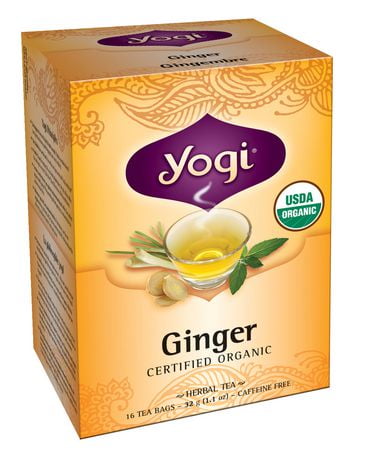

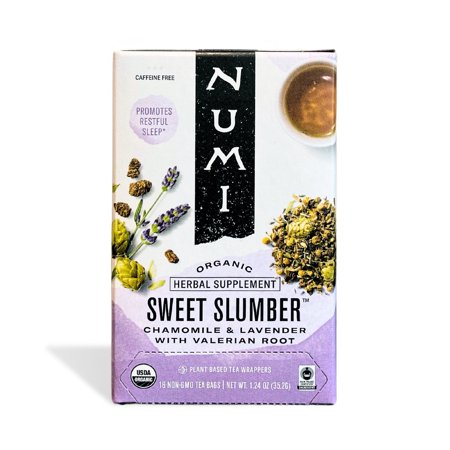
Helps Herbal Teas, For Low Sugar Diets, 20 Count (Pack of 6)
Analysis updated June 2026 · How Scout scores
At a glance
Summary
This herbal tea blend contains a variety of beneficial ingredients like rose hips, hibiscus, and peppermint leaves, which are minimally processed and offer health benefits such as antioxidants and digestive support. However, the presence of artificial flavors and soy lecithin, which are processed additives, detracts from the overall natural quality of the product. The processing level and inclusion of these additives limit the score, despite the presence of many wholesome ingredients.
Key ingredients 22
Rose hipsGood
Rose hips are rich in vitamin C and antioxidants, which support immune function and reduce inflammation. They are minimally processed and retain their natural nutrients. Often used in herbal teas for their tart flavor and health benefits.
Benefits
High in vitamin C and antioxidants, supporting immune health and reducing inflammation.
HibiscusGood
Hibiscus is known for its high antioxidant content and potential to lower blood pressure. It is a natural ingredient with minimal processing. Commonly used in teas for its tart flavor and health-promoting properties.
Risks
May interact with certain medications, such as those for blood pressure.
Benefits
Rich in antioxidants and may help lower blood pressure.
Orange peelGood
Orange peel is a natural source of fiber and vitamin C, contributing to digestive health and immune support. It is minimally processed and retains its natural nutrients. Often used in teas for its citrus flavor and health benefits.
Benefits
Provides fiber and vitamin C, supporting digestion and immune health.
Lemon peelGood
Lemon peel is rich in vitamin C and antioxidants, supporting immune function and skin health. It is a natural ingredient with minimal processing. Commonly used in teas for its zesty flavor and health benefits.
Benefits
High in vitamin C and antioxidants, promoting immune and skin health.
ApplesGood
Apples are a natural source of fiber and vitamin C, promoting digestive health and immune function. They are minimally processed and retain their natural nutrients. Often included in teas for their sweet flavor and health benefits.
Benefits
Rich in fiber and vitamin C, supporting digestion and immune health.
Roasted chicory rootGood
Chicory root is a natural source of inulin, a prebiotic fiber that supports gut health. It is roasted to enhance flavor, retaining its beneficial properties. Often used in teas for its coffee-like flavor and digestive benefits.
Risks
Excessive consumption may cause digestive discomfort.
Benefits
Contains inulin, promoting gut health and digestion.
PeachesGood
Peaches are a natural source of vitamins A and C, supporting skin and immune health. They are minimally processed and retain their natural nutrients. Often used in teas for their sweet flavor and health benefits.
Benefits
Rich in vitamins A and C, promoting skin and immune health.
Peppermint leavesGood
Peppermint leaves are known for their soothing effects on the digestive system and their refreshing flavor. They are minimally processed and retain their natural oils. Commonly used in teas for their digestive and aromatic benefits.
Benefits
Supports digestive health and provides a refreshing flavor.
Spearmint leavesGood
Spearmint leaves offer a mild mint flavor and are known for their digestive benefits. They are minimally processed and retain their natural oils. Often used in teas for their soothing and aromatic properties.
Benefits
Promotes digestive health and provides a mild mint flavor.
Chamomile flowersGood
Chamomile flowers are known for their calming effects and potential to improve sleep quality. They are minimally processed and retain their natural compounds. Commonly used in teas for their soothing and relaxing properties.
Risks
May cause allergic reactions in individuals sensitive to ragweed.
Benefits
Promotes relaxation and may improve sleep quality.
Rose blossomsGood
Rose blossoms are used for their aromatic properties and potential mood-enhancing effects. They are minimally processed and retain their natural fragrance. Often included in teas for their floral aroma and calming benefits.
Benefits
Provides a floral aroma and may enhance mood.
Orange blossomsGood
Orange blossoms are valued for their aromatic properties and potential calming effects. They are minimally processed and retain their natural fragrance. Commonly used in teas for their floral aroma and soothing benefits.
Benefits
Provides a floral aroma and may promote relaxation.
LemongrassGood
Lemongrass is known for its citrus flavor and potential digestive benefits. It is minimally processed and retains its natural oils. Often used in teas for its refreshing flavor and health-promoting properties.
Benefits
Supports digestion and provides a refreshing citrus flavor.
CinnamonGood
Cinnamon is a spice known for its antioxidant properties and potential to regulate blood sugar levels. It is minimally processed and retains its natural compounds. Commonly used in teas for its warm flavor and health benefits.
Risks
Excessive consumption may lead to liver damage due to coumarin content.
Benefits
Rich in antioxidants and may help regulate blood sugar levels.
Lemon verbenaGood
Lemon verbena is known for its citrus aroma and potential calming effects. It is minimally processed and retains its natural oils. Often used in teas for its soothing properties and refreshing flavor.
Benefits
May promote relaxation and provides a refreshing citrus aroma.
GingerGood
Ginger is known for its anti-inflammatory properties and ability to aid digestion. It is minimally processed and retains its natural compounds. Commonly used in teas for its spicy flavor and health benefits.
Risks
Excessive consumption may cause digestive discomfort.
Benefits
Supports digestion and has anti-inflammatory properties.
BC30Good
BC30 is a probiotic strain known for its ability to support digestive health and immune function. It is added to products to enhance their health benefits. Often included in functional foods for its probiotic properties.
Benefits
Supports digestive health and boosts immune function.
Natural ginger and lemon flavorsNeutral
Natural flavors are used to enhance the taste of products without adding nutritional value. They are derived from natural sources but are processed to isolate specific flavors. Often used in teas to provide consistent flavor profiles.
Licorice rootNeutral
Licorice root is used for its sweet flavor and potential to soothe the digestive tract. It is minimally processed and retains its natural compounds. Often included in teas for its flavor and potential digestive benefits.
Risks
Excessive consumption may lead to increased blood pressure and potassium imbalance.
Benefits
May soothe the digestive tract and provides a natural sweetness.
Citric acidNeutral
Citric acid is used as a preservative and flavor enhancer in foods and beverages. It is a naturally occurring acid found in citrus fruits but is often produced industrially. Commonly used to add tartness and preserve freshness.
See more about Citric acid →Natural and artificial peach flavorBad
Contains artificial flavors which are highly processed and may contain synthetic chemicals. The use of artificial flavors can detract from the natural quality of the product. Often used to enhance flavor without adding nutritional value.
Risks
Potential for allergic reactions or sensitivities to artificial components.
Soy lecithinBad
Soy lecithin is a processed emulsifier derived from soybeans, often used to stabilize and blend ingredients. It is not a whole food and may contain residues from processing. While it helps improve texture, it does not add nutritional value.
Risks
May cause allergic reactions in individuals sensitive to soy.
Processing
Processed Foods
Get the full breakdown in the Scout appTake Scout shopping
Scan any product to see lab results, healthy alternatives, and your personalized analysis.
Download on theApp Store GET IT ONGoogle Play