


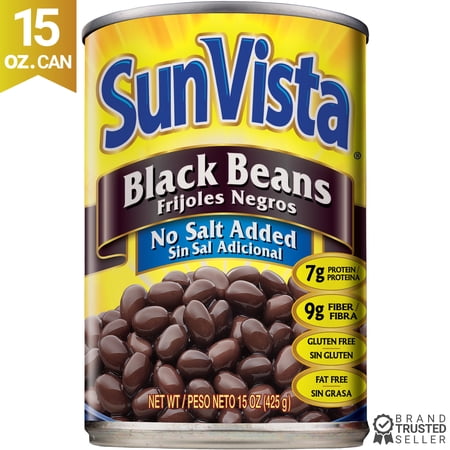
At a glance
Summary
This product contains a significant proportion of red kidney beans, which are nutritious and provide protein and fiber. However, the addition of refined sugar and the presence of additives like firming agents and food acids contribute to its processed nature. While the beans are beneficial, the processing level and added sugar limit the overall healthiness of the product.
Key ingredients 6
Red kidney beansGood
Red kidney beans are a nutritious legume rich in protein and fiber. They provide essential vitamins and minerals, supporting overall health. Their natural composition makes them a beneficial component of a balanced diet.
Risks
Raw or improperly cooked kidney beans contain lectins, which can be toxic. Proper cooking reduces this risk significantly.
Benefits
Rich in protein and fiber, they support digestive health and provide sustained energy. They also contain antioxidants that may reduce the risk of chronic diseases.
WaterNeutral
Water is used as a solvent and processing aid in food products. It does not contribute any nutritional value but is essential for maintaining moisture and texture. Its presence is standard in canned goods.
See more about Water →SaltNeutral
Salt is used for flavor enhancement and preservation. It is a common ingredient in processed foods but does not provide additional nutritional benefits. Excessive consumption can lead to health issues.
Risks
High sodium intake is associated with increased blood pressure and cardiovascular disease risk.
Firming agent (509)Neutral
Firming agent 509, or calcium chloride, is used to maintain texture in canned foods. It is generally recognized as safe but does not provide nutritional benefits. Its use is common in food processing.
Food acid (acetic acid)Neutral
Acetic acid is used as a preservative and flavoring agent. It is a natural component of vinegar and is generally safe in small amounts. It helps maintain the acidity and flavor of the product.
Risks
Excessive consumption can lead to digestive discomfort.
SugarBad
Refined sugar is added for taste but contributes empty calories. It can lead to increased blood sugar levels and potential weight gain. Excessive consumption is linked to various health issues, including diabetes.
Risks
High intake of refined sugar can lead to obesity, type 2 diabetes, and heart disease.
Processing
Processed Foods
Get the full breakdown in the Scout appTake Scout shopping
Scan any product to see lab results, healthy alternatives, and your personalized analysis.
Download on theApp Store GET IT ONGoogle Play