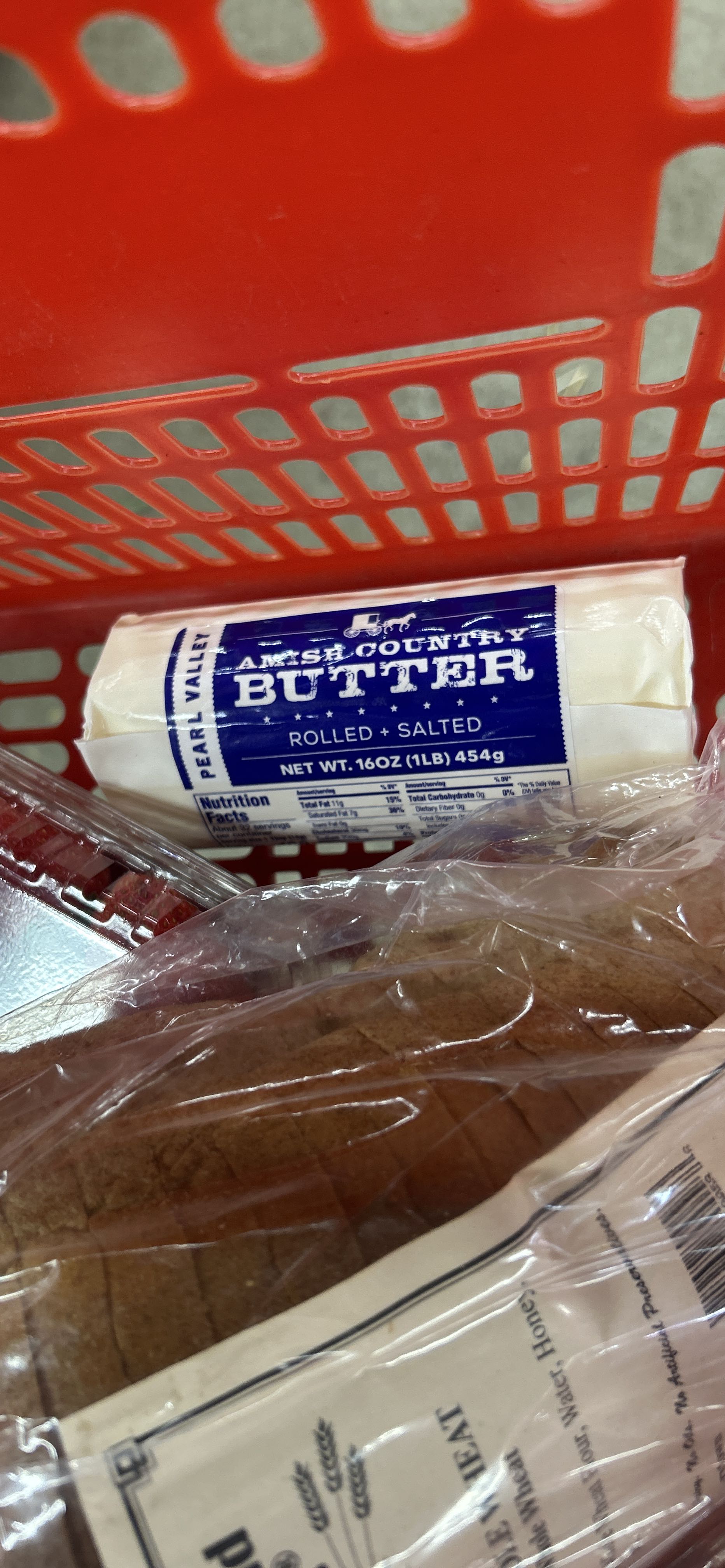
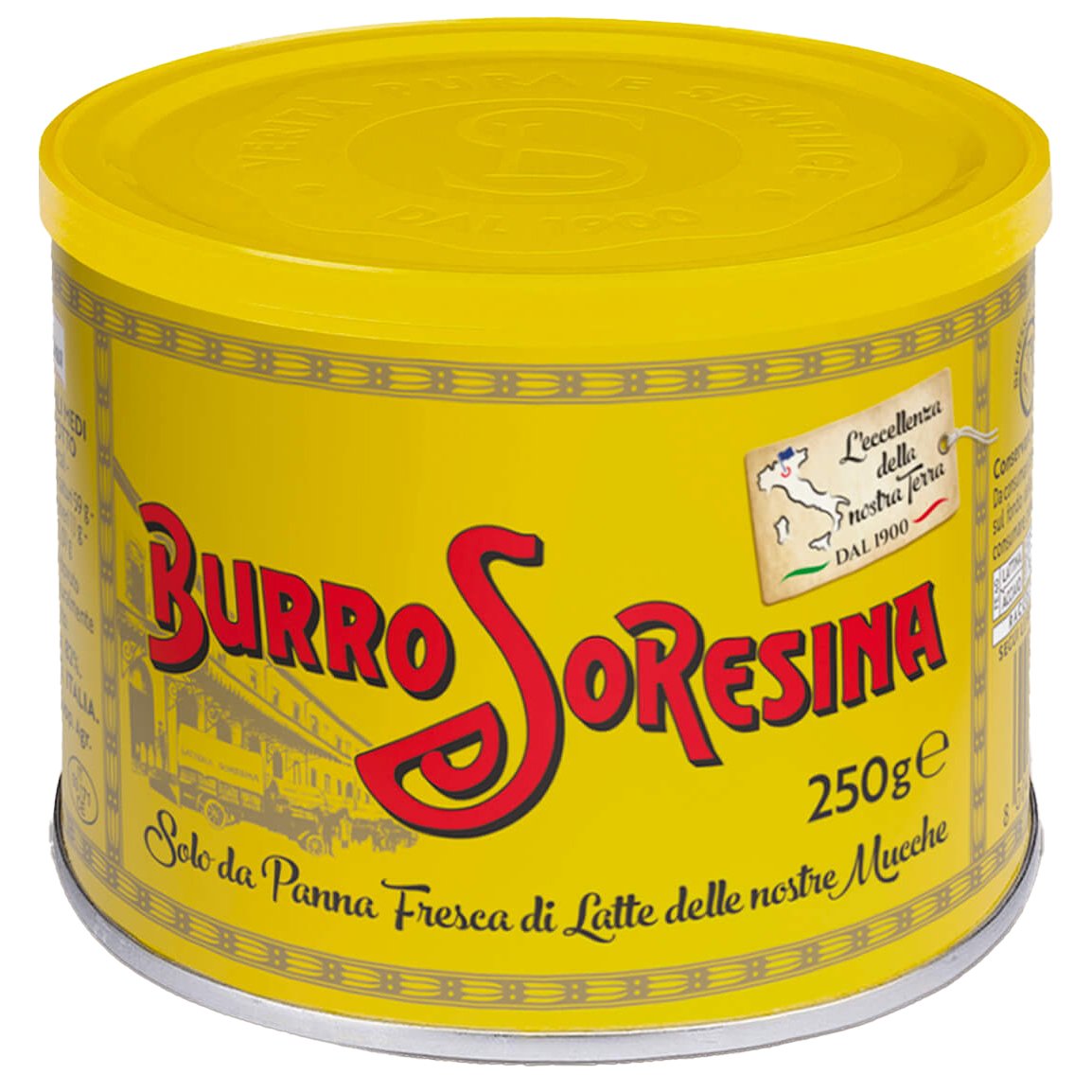
Salted butter

At a glance
Summary
This salted butter is a processed culinary ingredient with a simple ingredient list consisting mainly of pasteurized cream and salt. It contains a small amount of anticaking agent, which is a minor additive. The product is relatively unprocessed compared to other spreads and provides a source of healthy fats, though it lacks the probiotic benefits found in raw cultured butter.
Key ingredients 4
Pasteurised CreamNeutral
Pasteurised cream is a primary ingredient in butter, providing a rich source of saturated fats. The pasteurization process ensures safety by eliminating harmful bacteria. It lacks the beneficial probiotics found in raw cream.
Risks
High in saturated fats, which may contribute to heart disease if consumed in excess.
Benefits
Provides a source of energy and essential fatty acids necessary for various bodily functions.
WaterNeutral
Water is used in butter to adjust texture and consistency. It is a neutral ingredient with no significant health impact. It does not contribute to the nutritional profile of the product.
See more about Water →SaltNeutral
Salt is added to enhance flavor and preserve the butter. It is a refined ingredient without the trace minerals found in unrefined salts. Excessive consumption can lead to high blood pressure.
Risks
High sodium intake is associated with increased risk of hypertension and cardiovascular diseases.
Benefits
Enhances flavor and acts as a preservative in food products.
Anticaking Agent (535)Neutral
Anticaking agent 535, also known as sodium ferrocyanide, is used to prevent clumping in salt. It is considered safe in small quantities by food safety authorities. It does not contribute to the nutritional value of the product.
Benefits
Prevents clumping, ensuring consistent texture and flow of salt.
Processing
Processed Culinary Ingredients
Get the full breakdown in the Scout appTake Scout shopping
Scan any product to see lab results, healthy alternatives, and your personalized analysis.