





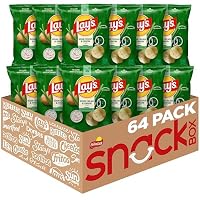
Lays Stax Original Stax Potato Chips
At a glance
Summary
This product is highly processed and contains multiple industrial seed oils, which are associated with negative health effects due to their high omega-6 fatty acid content. The use of emulsifiers and added sugars further contributes to its ultra-processed nature, making it less desirable from a nutritional standpoint. The combination of these factors places it in the lower range for packaged snacks.
Key ingredients 8
Vegetable OilVery Bad
Vegetable oils like cottonseed, sunflower, and corn oil are high in omega-6 fatty acids, which can promote inflammation. These oils are often extracted using high heat and chemicals, which can degrade their nutritional quality. They are considered unhealthy due to their processing methods and potential to disrupt the omega-3 to omega-6 balance.
Risks
High omega-6 content may promote inflammation when consumed in excess.
Mono- and DiglyceridesBad
Mono- and diglycerides are emulsifiers used to improve texture and shelf life. They are often derived from seed oils and can contain trans fats. Their use in processed foods is associated with potential health concerns related to trans fat consumption.
Risks
May contain trans fats, which are linked to increased risk of heart disease.
Sugar DextroseBad
Dextrose is a simple sugar used to enhance sweetness and flavor. It is rapidly absorbed, leading to quick spikes in blood sugar levels. Its use in processed foods contributes to added sugar intake, which is linked to various health issues.
Risks
Can contribute to obesity, insulin resistance, and other metabolic disorders when consumed in excess.
Soy LecithinBad
Soy lecithin is an emulsifier derived from soybeans, used to stabilize and improve texture. It is a processed ingredient and may contain traces of soy allergens. While it is generally recognized as safe, its processing and potential allergenicity are concerns.
Risks
May cause allergic reactions in individuals sensitive to soy.
Dried PotatoesNeutral
Dried potatoes are a processed form of potatoes used as a base for chips. They provide carbohydrates and some fiber but lack the nutrients found in fresh potatoes. The drying process reduces water content, making them suitable for long shelf life.
Benefits
Provides carbohydrates and some dietary fiber, contributing to energy intake.
Unmodified Potato StarchNeutral
Unmodified potato starch is used as a thickening agent and provides a source of carbohydrates. It is minimally processed compared to modified starches. It does not offer significant nutritional benefits beyond energy.
Benefits
Provides a source of carbohydrates for energy.
Rice FlourNeutral
Rice flour is a gluten-free flour alternative used to add texture and bulk. It is a source of carbohydrates but lacks significant protein or fiber. It is often used in processed foods for its neutral flavor and texture.
Benefits
Provides carbohydrates and is gluten-free, suitable for those with gluten intolerance.
SaltNeutral
Salt is used to enhance flavor and preserve food. It is a necessary nutrient but can contribute to high blood pressure if consumed in excess. In processed foods, it is often used in large quantities to enhance taste.
Risks
Excessive consumption can lead to high blood pressure and cardiovascular issues.
Benefits
Provides essential sodium needed for various bodily functions.
Processing
Ultra-Processed Foods
Get the full breakdown in the Scout appTake Scout shopping
Scan any product to see lab results, healthy alternatives, and your personalized analysis.
Download on theApp Store GET IT ONGoogle PlayAmazon pricing & content
Amazon price as of . Product prices and availability are accurate as of the date/time indicated and are subject to change. Any price and availability information displayed on Amazon.com at the time of purchase will apply to the purchase of this product.
CERTAIN CONTENT THAT APPEARS ON THIS SITE COMES FROM AMAZON. THIS CONTENT IS PROVIDED “AS IS” AND IS SUBJECT TO CHANGE OR REMOVAL AT ANY TIME.