



At a glance
Summary
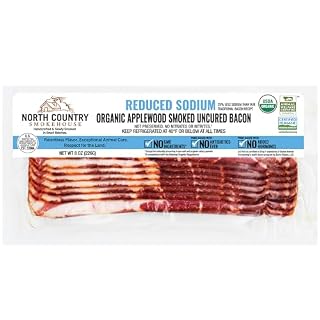
This bacon product is processed and contains preservatives such as sodium nitrite and potassium nitrate, which are linked to potential health risks like the formation of nitrosamines. While it provides a good protein content, the presence of these additives and the level of processing limit its healthiness compared to less processed meat options.
Key ingredients 6
PorkNeutral
Pork is a source of high-quality protein and essential nutrients. It is a common meat choice but can be high in saturated fats. The quality of pork can vary based on the animal's diet and living conditions.
Risks
High consumption of processed pork can increase the risk of cardiovascular diseases due to saturated fat content.
Benefits
Provides essential amino acids and nutrients such as B vitamins and zinc.
WaterNeutral
Water is used as a processing aid and does not contribute nutritional value. It is often added to maintain moisture in processed meats. The presence of water is standard in many processed food products.
See more about Water →SaltNeutral
Salt is used for flavor and preservation in processed meats. It is a necessary mineral but can contribute to high sodium intake. Excessive consumption of salt is linked to hypertension.
Risks
High sodium intake can lead to increased blood pressure and cardiovascular issues.
Benefits
Essential for maintaining fluid balance and nerve function in the body.
Sodium AscorbateNeutral
Sodium ascorbate is an antioxidant used to preserve color and prevent oxidation in processed meats. It is a form of vitamin C but does not provide significant nutritional benefits in this context. It helps reduce nitrosamine formation.
Benefits
Helps maintain color and reduce nitrosamine formation in processed meats.
Sodium NitriteBad
Sodium nitrite is used as a preservative and color fixative in processed meats. It can form nitrosamines, which are potential carcinogens, during cooking. Its use is controversial due to health concerns.
Risks
Potential formation of carcinogenic nitrosamines during high-temperature cooking.
Benefits
Helps prevent bacterial growth and maintains meat color.
Potassium NitrateBad
Potassium nitrate is used as a curing agent in processed meats. It can contribute to the formation of nitrosamines, which are linked to cancer risk. Its use is regulated due to potential health impacts.
Risks
May contribute to the formation of carcinogenic nitrosamines.
Benefits
Acts as a preservative to extend shelf life and prevent spoilage.
Processing
Processed Foods
Get the full breakdown in the Scout appTake Scout shopping
Scan any product to see lab results, healthy alternatives, and your personalized analysis.
Download on theApp Store GET IT ONGoogle Play