


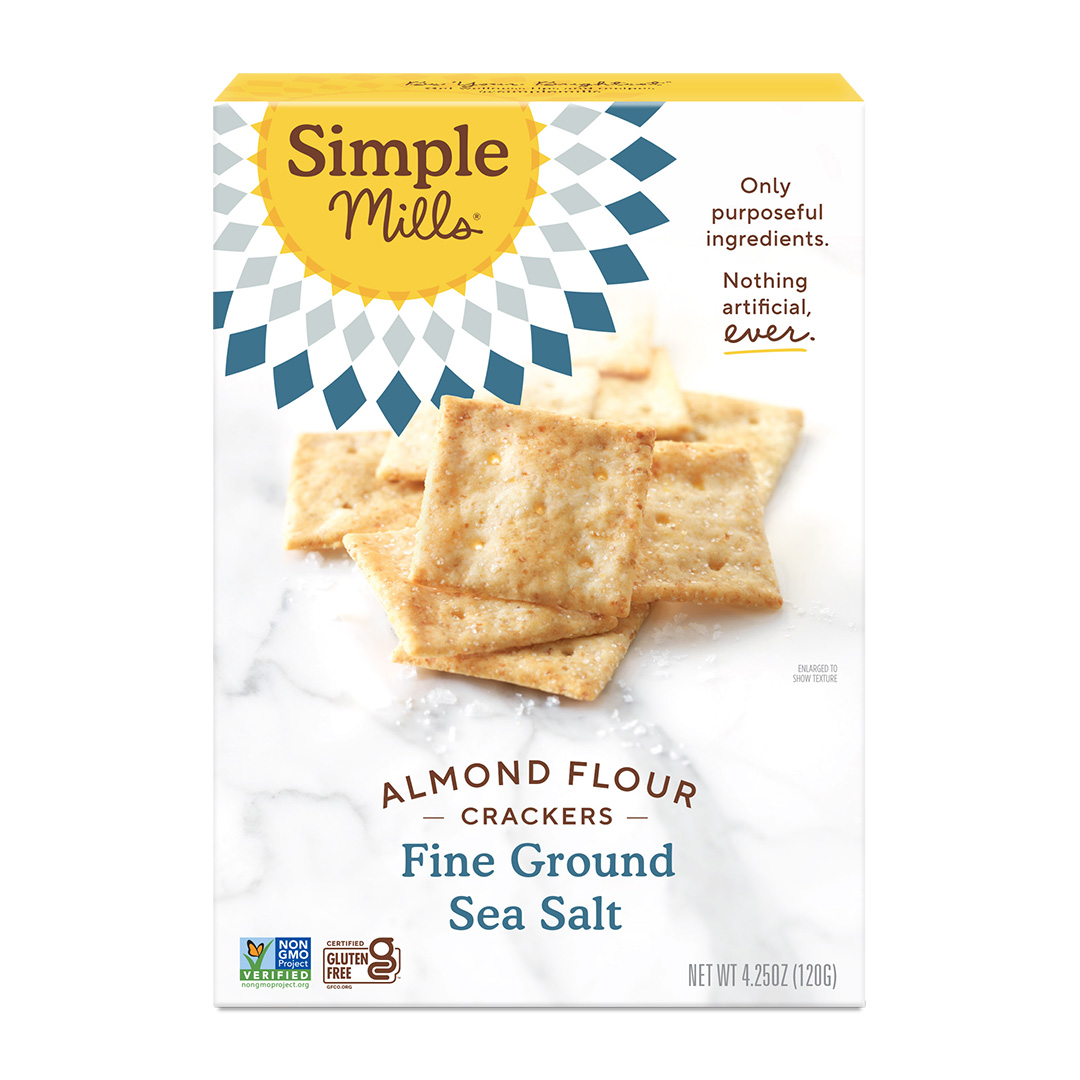

Organic Garlic Naan Crackers
Near you
Trader Joe's is carried at Trader Joe stores. Find one within 25 miles.
Summary
The Organic Garlic Naan Crackers contain several beneficial ingredients like organic wheat flour and garlic, but are heavily penalized due to the presence of seed oils such as sunflower and canola oil, which are high in omega-6 fatty acids and can promote inflammation. Additionally, the product is highly processed with multiple additives and natural flavors, which further impacts its health rating negatively despite the organic certification of some ingredients.
At a glance
Key ingredients 27
Organic enriched flourNeutral
Organic enriched flour is a refined flour that has been fortified with vitamins and minerals. It lacks the fiber and nutrients found in whole grains. However, the enrichment process adds back some essential nutrients like iron and B vitamins.
Risks
Refined flour can contribute to blood sugar spikes and lacks fiber.
Benefits
Enrichment adds essential nutrients like iron and B vitamins, which are beneficial for health.
Organic wheat flourGood
Organic wheat flour is a less processed form of flour that retains more nutrients compared to refined flour. Being organic, it is free from synthetic pesticides and fertilizers. It provides a source of carbohydrates and some fiber.
Risks
May cause allergic reactions in individuals with wheat allergies or gluten intolerance.
Benefits
Provides carbohydrates for energy and contains some fiber and nutrients.
NiacinGood
Niacin, also known as vitamin B3, is essential for energy metabolism and maintaining healthy skin and nerves. It is often added to enriched flours to prevent deficiencies. Niacin can help lower cholesterol levels and improve heart health.
Risks
Excessive intake can cause flushing and liver damage.
Benefits
Supports energy metabolism and may help lower cholesterol levels.
IronGood
Iron is a crucial mineral for the production of hemoglobin and oxygen transport in the blood. It is added to enriched flours to prevent anemia. Iron is essential for energy production and immune function.
Risks
Excessive iron intake can lead to toxicity and organ damage.
Benefits
Prevents anemia and supports energy production and immune function.
Thiamine mononitrateGood
Thiamine mononitrate is a form of vitamin B1, essential for energy metabolism and nerve function. It is added to enriched flours to prevent deficiencies. Thiamine supports the conversion of carbohydrates into energy.
Benefits
Supports energy metabolism and nerve function.
RiboflavinGood
Riboflavin, or vitamin B2, is important for energy production and cellular function. It is commonly added to enriched flours to enhance nutritional value. Riboflavin also acts as an antioxidant, protecting cells from oxidative damage.
Benefits
Supports energy production and acts as an antioxidant.
Folic acidGood
Folic acid is a synthetic form of folate, a B vitamin essential for DNA synthesis and cell division. It is added to enriched flours to prevent neural tube defects in pregnancy. Folic acid is crucial for red blood cell formation.
Risks
Excessive intake may mask vitamin B12 deficiency symptoms.
Benefits
Prevents neural tube defects and supports red blood cell formation.
Organic sunflower oilVery Bad
Organic sunflower oil is a seed oil high in omega-6 fatty acids, which can promote inflammation when consumed in excess. Despite being organic, it is still processed and may contribute to an imbalanced omega-3 to omega-6 ratio. It is often used for its mild flavor and high smoke point.
Risks
High omega-6 content may promote inflammation when consumed in excess.
Benefits
Provides a source of vitamin E and has a high smoke point suitable for cooking.
Organic cornstarchNeutral
Organic cornstarch is a refined carbohydrate used as a thickening agent. It is free from synthetic pesticides due to its organic nature. Cornstarch provides no significant nutritional benefits but is useful in food processing.
Risks
May cause blood sugar spikes due to its high glycemic index.
Sea saltGood
Unrefined sea salt — a minimally processed, natural source of sodium and essential trace minerals, and a legitimate whole-food seasoning. Treated as a positive ingredient.
Risks
Excessive sodium intake can lead to high blood pressure and cardiovascular issues.
Benefits
Contains trace minerals and enhances flavor.
Organic white rice flourNeutral
Organic white rice flour is a refined flour used as a gluten-free alternative. It is organic, meaning it is free from synthetic pesticides. While it provides carbohydrates, it lacks fiber and nutrients found in whole grains.
Risks
May cause blood sugar spikes due to its high glycemic index.
Benefits
Provides a gluten-free alternative for those with celiac disease or gluten intolerance.
Organic cane sugarBad
Organic cane sugar is a refined sugar that contributes to calorie intake without providing essential nutrients. Despite being organic, it can lead to blood sugar spikes and contribute to weight gain. It is used for its sweetening properties.
Risks
Can lead to blood sugar spikes and contribute to weight gain.
Organic garlic powderGood
Organic garlic powder is a dehydrated form of garlic that retains its beneficial compounds. Being organic, it is free from synthetic pesticides. Garlic is known for its potential antimicrobial and cardiovascular benefits.
Benefits
May provide antimicrobial and cardiovascular benefits.
Organic garlicGood
Organic garlic is a natural ingredient known for its health-promoting properties. It contains allicin, which has antimicrobial and anti-inflammatory effects. Being organic, it is free from synthetic pesticides.
Benefits
May support immune function and cardiovascular health.
Barley malt extractNeutral
Barley malt extract is a sweetener derived from barley that contains some vitamins and minerals. It is used for its flavor and color-enhancing properties. While it provides some nutrients, it is still a form of sugar.
Risks
May contribute to blood sugar spikes and is not suitable for those with gluten intolerance.
Benefits
Contains some vitamins and minerals and enhances flavor.
YeastNeutral
Yeast is a microorganism used in baking to leaven dough. It contributes to the texture and flavor of baked goods. Yeast is a natural ingredient with no significant health risks.
Benefits
Contributes to the texture and flavor of baked goods.
BarleyGood
Barley is a whole grain that provides fiber, vitamins, and minerals. It is beneficial for digestive health and may help lower cholesterol levels. Barley is a nutritious addition to foods.
Risks
Not suitable for individuals with gluten intolerance.
Benefits
Rich in fiber and nutrients, supporting digestive health and cholesterol management.
WheatNeutral
Wheat is a common grain used in many food products. It provides carbohydrates and some nutrients but can cause issues for those with gluten intolerance. Wheat is a staple ingredient in many diets.
Risks
May cause allergic reactions in individuals with wheat allergies or gluten intolerance.
Benefits
Provides carbohydrates and some nutrients.
Organic parsleyGood
Organic parsley is a herb rich in vitamins A, C, and K. It is used for its flavor and nutritional benefits. Being organic, it is free from synthetic pesticides.
Benefits
Rich in vitamins and adds flavor to dishes.
Baking sodaNeutral
Baking soda is a leavening agent used to help dough rise. It is a natural ingredient with no significant health risks when used in moderation. Baking soda is essential for the texture of baked goods.
Risks
Excessive consumption can lead to alkalosis and electrolyte imbalances.
Monocalcium phosphateNeutral
Monocalcium phosphate is a leavening agent used in baking. It is generally recognized as safe when used in food processing. It helps baked goods rise and maintain texture.
See more about Monocalcium phosphate →Garlic oilGood
Garlic oil is derived from garlic and retains its beneficial compounds. It is used for flavor and potential health benefits. Garlic oil may support cardiovascular health and immune function.
Benefits
May support cardiovascular health and immune function.
Canola oilVery Bad
Canola oil is a seed oil high in omega-6 fatty acids, which can promote inflammation when consumed in excess. It is heavily processed and may contain trans fats. Despite its use for cooking due to a high smoke point, it is not considered a healthy oil.
Risks
High omega-6 content may promote inflammation when consumed in excess.
Garlic extractGood
Garlic extract is concentrated garlic that retains its beneficial compounds. It is used for its flavor and potential health benefits. Garlic extract may support cardiovascular health and immune function.
Benefits
May support cardiovascular health and immune function.
Natural flavorsVery Bad
Natural flavors are a catch-all term for flavoring agents derived from natural sources. They are often heavily processed and can contain a variety of chemical compounds. The lack of transparency in their composition raises concerns about potential allergens and additives.
Risks
May contain allergens and additives; lack of transparency in composition.
EnzymeNeutral
Enzymes are proteins that catalyze biochemical reactions, often used in food processing to improve texture and flavor. They are generally recognized as safe and are naturally occurring. Enzymes play a crucial role in food production.
Organic sesame oilGood
Organic sesame oil is a flavorful oil rich in antioxidants and healthy fats. Being organic, it is free from synthetic pesticides. Sesame oil may support heart health and provide anti-inflammatory benefits.
Benefits
Rich in antioxidants and healthy fats, supporting heart health.
Processing
Ultra-Processed Foods
Get the full breakdown in the Scout app
Scan any product to see lab results, healthy alternatives, and your personalized analysis.
Download on theApp Store