



At a glance
Summary
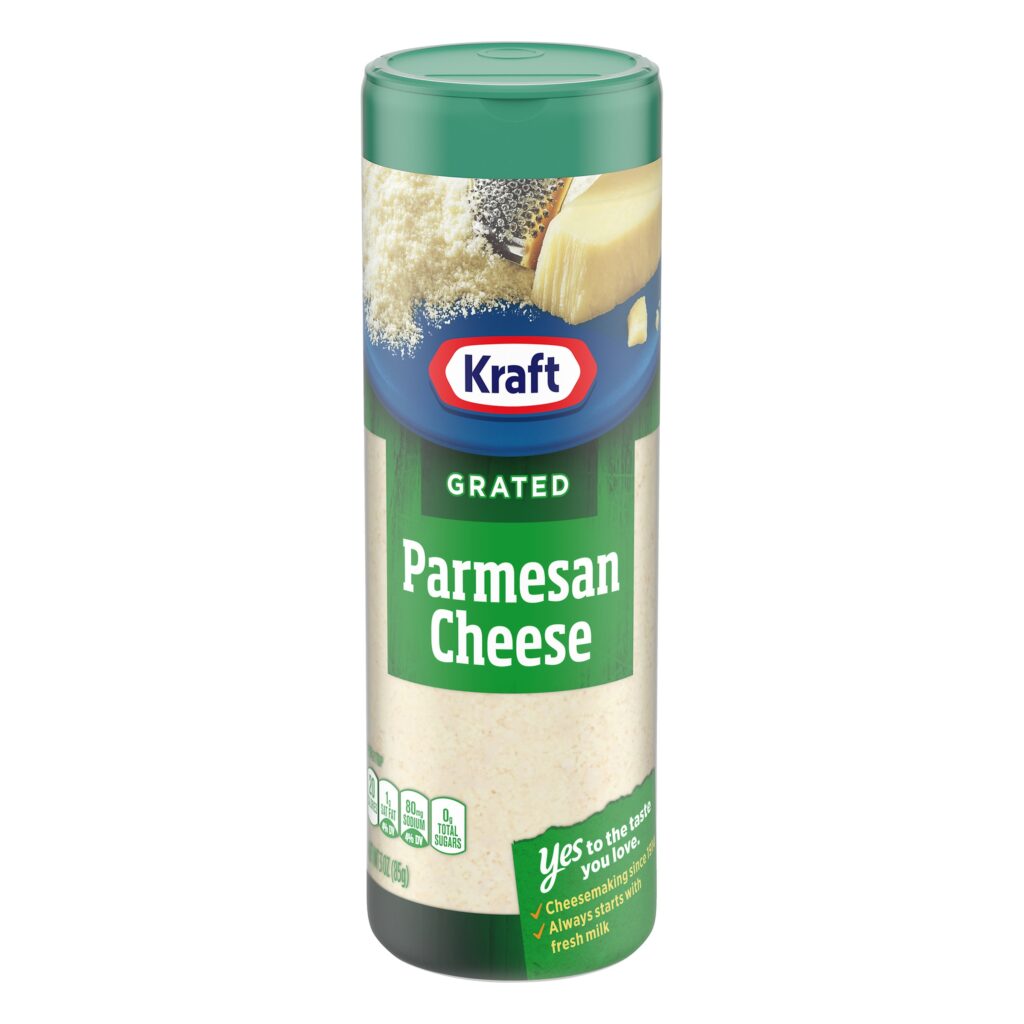
Parmesan cheese crisps are made primarily from parmesan cheese, which is a high-quality source of protein and calcium. The product is processed, but it contains minimal ingredients, focusing on cheese made from pasteurized milk and cultures. This simplicity and the absence of harmful additives contribute to a favorable score within the constraints of its processing level.
Key ingredients 3
Parmesan cheeseGood
Parmesan cheese is a high-quality source of protein and calcium. It is made from pasteurized milk and cheese cultures, which contribute to its rich flavor and nutritional profile. The aging process enhances its digestibility and flavor complexity.
Risks
Contains lactose, which may cause digestive issues for individuals with lactose intolerance.
Benefits
Rich in protein and calcium, supporting bone health and muscle maintenance. Contains beneficial bacteria from cheese cultures that may aid in digestion.
Pasteurized milkNeutral
Pasteurized milk is a common ingredient in cheese production, providing essential nutrients like calcium and protein. The pasteurization process eliminates harmful bacteria, ensuring safety. However, it lacks the probiotic benefits of raw milk.
Benefits
Provides essential nutrients such as calcium and protein, supporting bone health and muscle function.
Cheese culturesNeutral
Cheese cultures are used to ferment milk, aiding in the development of flavor and texture in cheese. They are essential for the cheese-making process but do not provide significant nutritional benefits on their own. The specific strains used can vary, impacting the final product's characteristics.
Benefits
Contribute to the development of cheese flavor and texture, enhancing the overall sensory experience.
Processing
Processed Foods
Get the full breakdown in the Scout appTake Scout shopping
Scan any product to see lab results, healthy alternatives, and your personalized analysis.
Download on theApp Store GET IT ONGoogle Play