



At a glance
Summary
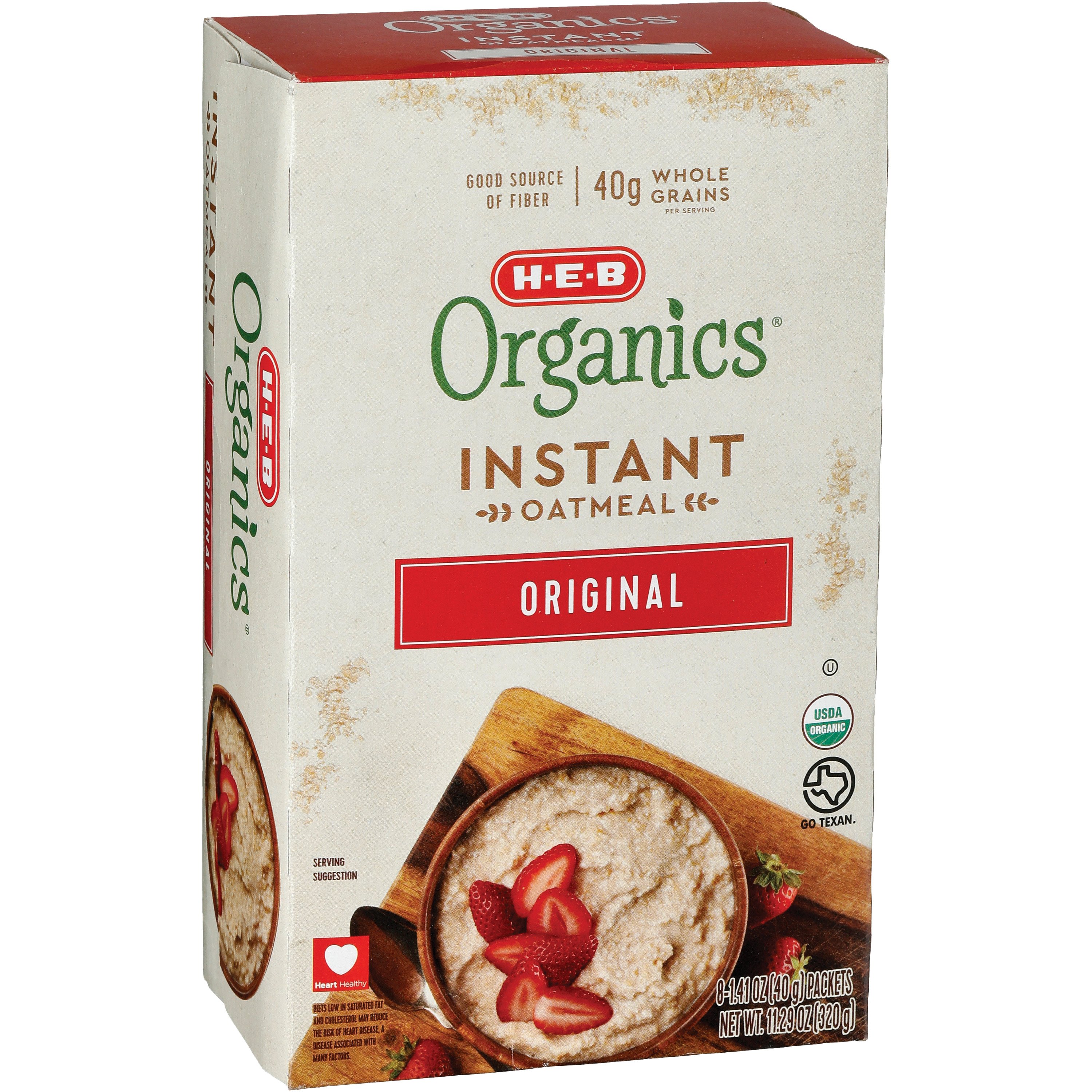
This instant oatmeal contains whole grain oats, which are a beneficial source of fiber and nutrients. However, the product is processed and includes added sugars, which contribute to empty calorie intake and potential health issues like obesity and diabetes. The presence of 'natural flavor' also indicates additional processing, which impacts the overall healthiness of the product.
Key ingredients 5
Whole Grain OatsVery Good
Whole grain oats are a minimally processed source of complex carbohydrates and fiber. They provide essential nutrients like beta-glucans, which can help lower cholesterol levels. As a whole food, they are a staple in healthy diets and support digestive health.
Benefits
Rich in dietary fiber and essential nutrients, supporting heart health and digestion. Contains beta-glucans that may help reduce cholesterol levels.
SaltNeutral
Salt is used to enhance flavor and preserve food, but excessive intake can lead to health issues such as hypertension. It is a common culinary ingredient with no significant nutritional benefits beyond sodium content. Moderation is key to avoiding potential health risks.
Risks
High sodium intake can contribute to hypertension and cardiovascular diseases.
Benefits
Provides essential sodium for bodily functions, but should be consumed in moderation.
SugarBad
Refined sugar is a high-calorie ingredient with no essential nutrients, contributing to empty calorie intake. Excessive consumption can lead to health issues such as obesity, type 2 diabetes, and dental cavities. It is often added to enhance sweetness but offers no nutritional benefits.
Risks
High intake of refined sugar can increase the risk of obesity, type 2 diabetes, and dental problems.
Brown SugarBad
Brown sugar is similar to refined sugar with slightly more minerals due to molasses content, but it is still a high-calorie ingredient with minimal nutritional value. It can contribute to similar health issues as refined sugar when consumed in excess. Used primarily for flavoring, it does not provide significant health benefits.
Risks
Excessive consumption can lead to weight gain, increased risk of type 2 diabetes, and dental issues.
Benefits
Contains trace amounts of minerals from molasses, but these are not significant enough to offer health benefits.
Natural FlavorBad
Umbrella term that can hide dozens of undisclosed synthetic constituents.
Risks
Potential for allergic reactions in sensitive individuals due to undisclosed components.
Processing
Processed Foods
Get the full breakdown in the Scout appTake Scout shopping
Scan any product to see lab results, healthy alternatives, and your personalized analysis.
Download on theApp Store GET IT ONGoogle Play