



At a glance
Summary
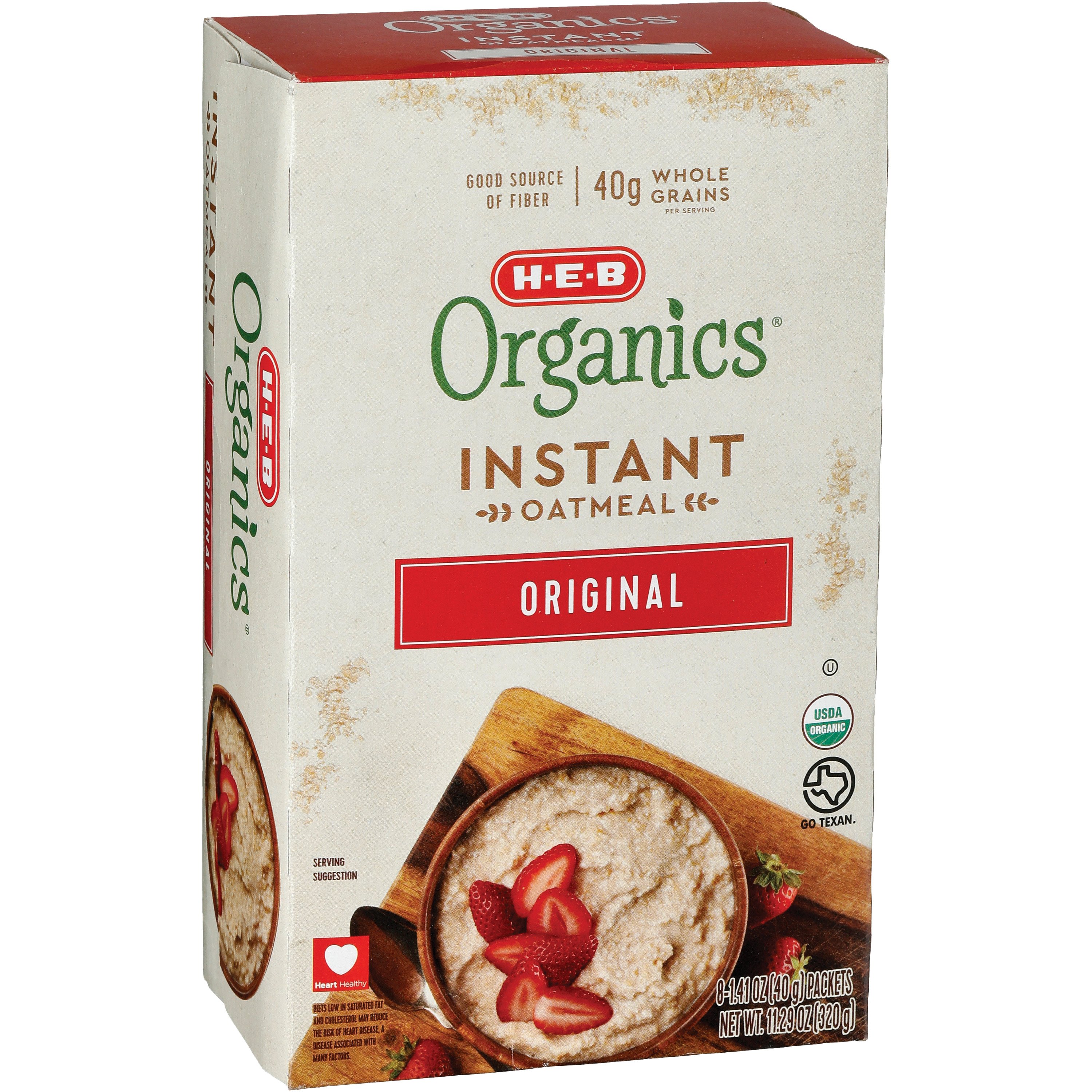
This instant oatmeal contains whole grain rolled oats, which are a nutritious source of fiber and complex carbohydrates. However, the product is ultra-processed and includes caramel color, which is primarily used for aesthetic purposes and may contain potential contaminants. The presence of added vitamins and minerals is beneficial, but the processing level and use of caramel color limit its overall healthiness.
Key ingredients 12
Whole Grain Rolled OatsVery Good
Whole grain rolled oats are a nutritious source of complex carbohydrates and fiber. They are minimally processed, retaining most of their natural nutrients. Oats are known for their heart health benefits and ability to stabilize blood sugar levels.
Benefits
Rich in beta-glucan fiber, which can help lower cholesterol levels and improve heart health. Provides a good source of energy and essential nutrients.
Niacinamide (Vitamin B3)Good
Niacinamide is a form of vitamin B3 used to fortify foods. It plays a crucial role in energy metabolism and maintaining healthy skin. Fortification helps prevent niacin deficiency, which can lead to pellagra.
Benefits
Supports energy production and skin health, and helps prevent niacin deficiency.
Pyridoxine Hydrochloride (Vitamin B6)Good
Pyridoxine hydrochloride is a form of vitamin B6 used in food fortification. It is vital for protein metabolism and cognitive development. Fortification helps ensure adequate intake of this essential nutrient.
Benefits
Supports brain health and aids in the metabolism of proteins and carbohydrates.
Riboflavin (Vitamin B2)Good
Riboflavin is a water-soluble vitamin used to fortify foods. It is essential for energy production and cellular function. Fortification helps prevent riboflavin deficiency, which can lead to skin disorders and anemia.
Benefits
Supports energy production and helps maintain healthy skin and eyes.
Thiamin Mononitrate (Vitamin B1)Good
Thiamin mononitrate is a form of vitamin B1 used in food fortification. It is crucial for energy metabolism and nerve function. Fortification helps prevent thiamin deficiency, which can lead to beriberi.
Benefits
Essential for energy metabolism and proper nerve function.
Calcium CarbonateNeutral
Calcium carbonate is used as a dietary supplement to provide calcium. It is a common and inexpensive form of calcium used in fortified foods. While it helps in maintaining bone health, excessive intake can lead to health issues.
Risks
Excessive consumption may lead to hypercalcemia, which can cause kidney stones and impaired absorption of other minerals.
Benefits
Provides a source of calcium, which is essential for maintaining strong bones and teeth.
SaltNeutral
Salt is used to enhance flavor and preserve food. It is a common ingredient in many processed foods. While necessary for bodily functions, excessive intake can lead to health issues.
Risks
High sodium intake is associated with increased risk of hypertension and cardiovascular diseases.
Benefits
Essential for maintaining fluid balance and nerve function in the body.
Guar GumNeutral
Guar gum is used as a thickening agent and stabilizer in foods. It is derived from guar beans and is considered a natural additive. While generally safe, it can cause digestive issues in sensitive individuals.
Risks
May cause digestive discomfort such as bloating or gas in some individuals.
Benefits
Can improve texture and consistency of food products without adding calories.
Reduced IronNeutral
Reduced iron is added to fortify foods with iron, an essential mineral. It is a common fortification method to prevent iron deficiency anemia. While beneficial, excessive iron intake can be harmful.
Risks
Excessive iron intake can lead to toxicity, causing symptoms like nausea and organ damage.
Benefits
Helps prevent iron deficiency anemia by providing a source of dietary iron.
Vitamin A PalmitateNeutral
Vitamin A palmitate is a synthetic form of vitamin A used to fortify foods. It is important for vision, immune function, and skin health. Overconsumption can lead to toxicity, especially in supplement form.
Risks
Excessive intake can lead to vitamin A toxicity, causing symptoms like dizziness and nausea.
Benefits
Essential for maintaining healthy vision and immune function.
Folic AcidNeutral
Standard formulation ingredient — neither beneficial nor harmful at typical use.
Benefits
Supports cell division and is crucial for preventing birth defects during pregnancy.
Caramel ColorBad
Caramel color is a widely used food coloring that can be synthetically produced. Some types of caramel color may contain contaminants like 4-MEI, which is a potential carcinogen. Its use is primarily aesthetic, with no nutritional benefits.
Risks
Potential exposure to 4-MEI, a compound linked to cancer in animal studies.
Processing
Ultra-Processed Foods
Get the full breakdown in the Scout appTake Scout shopping
Scan any product to see lab results, healthy alternatives, and your personalized analysis.
Download on theApp Store GET IT ONGoogle Play