
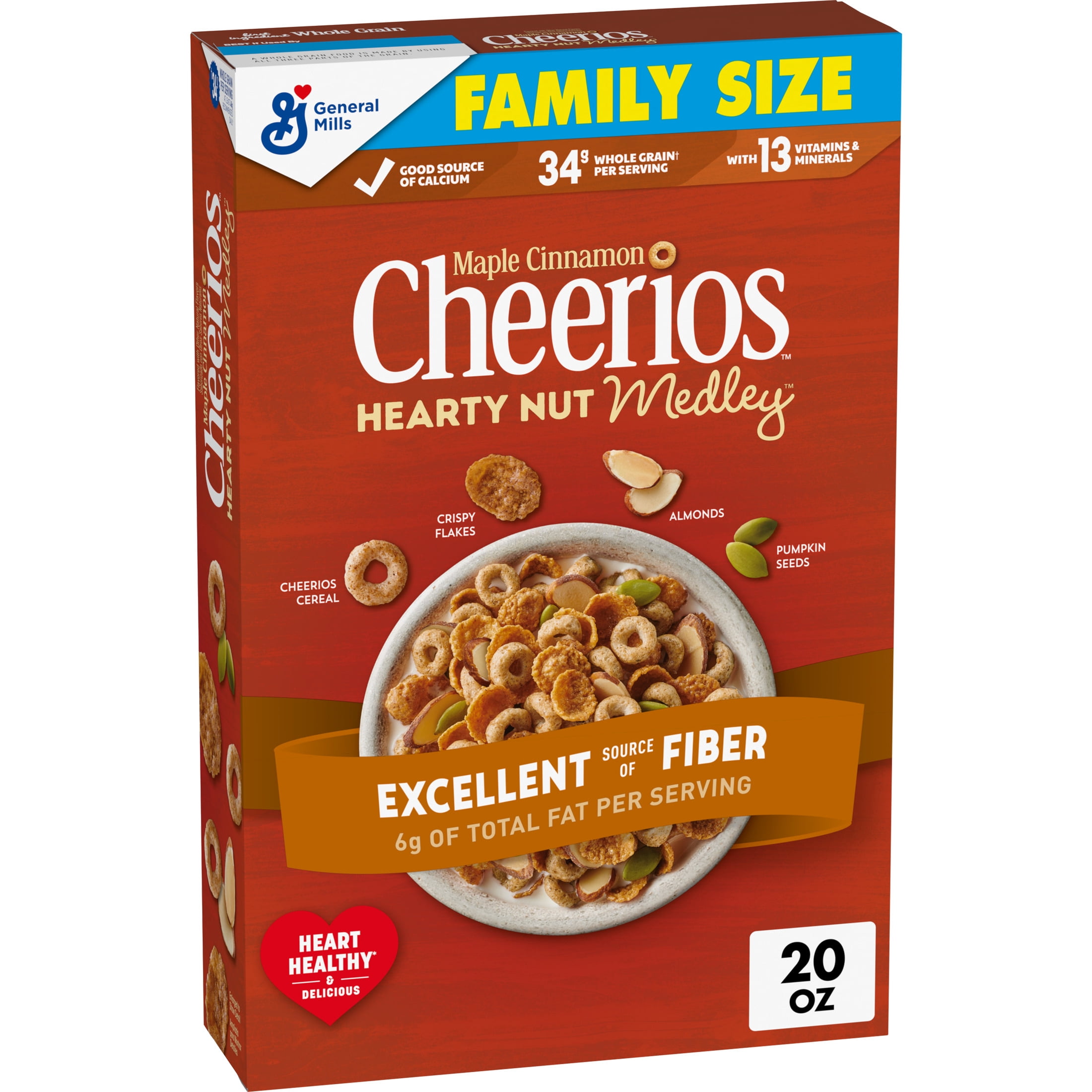


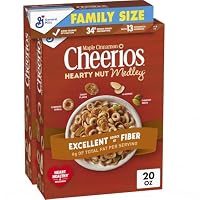
Cheerios Heart Nut Medly
Analysis updated August 2026 · How Scout scores
At a glance
Summary
This cereal contains beneficial ingredients like whole grain oats, almonds, and pumpkin seeds, which provide fiber, healthy fats, and essential nutrients. However, it also includes refined sugar, corn syrup, and seed oils, which are linked to potential health concerns such as inflammation and metabolic issues. The presence of these processed ingredients and the use of natural flavors contribute to its moderate processing level, impacting the overall healthiness of the product.
Key ingredients 16
Whole Grain OatsVery Good
Whole grain oats are a rich source of dietary fiber and essential nutrients. They help in lowering cholesterol levels and improving heart health. Being minimally processed, they retain most of their nutritional value.
Benefits
Rich in beta-glucan fiber, which supports heart health and aids in digestion.
AlmondsVery Good
Almonds are a nutrient-dense nut rich in healthy fats, protein, and vitamins. They support heart health and provide antioxidants. Consuming almonds can improve lipid profiles and reduce inflammation.
Risks
May cause allergic reactions in individuals with nut allergies.
Benefits
Rich in monounsaturated fats, vitamin E, and magnesium, supporting heart health and reducing oxidative stress.
Whole Grain WheatGood
Whole grain wheat provides essential nutrients and fiber. It supports digestive health and provides sustained energy. The whole grain form retains more nutrients compared to refined wheat.
Risks
May cause allergic reactions in individuals with wheat allergies or gluten intolerance.
Benefits
Provides dietary fiber and essential nutrients like B vitamins and minerals.
Pumpkin SeedsGood
Pumpkin seeds are a good source of protein, healthy fats, and minerals. They support heart health and provide antioxidants. They are minimally processed and retain their nutritional value.
Benefits
Rich in magnesium, zinc, and healthy fats, supporting overall health.
Maple SyrupGood
Beneficial ingredient — whole-food or functional value in this product class.
Risks
High sugar content can contribute to increased calorie intake and metabolic issues.
Benefits
Contains small amounts of minerals like manganese and zinc.
CinnamonGood
Cinnamon is a spice with antioxidant properties and potential health benefits. It may help regulate blood sugar levels and has anti-inflammatory effects. It is used in small amounts to enhance flavor.
Benefits
Contains antioxidants and may support blood sugar regulation.
Vitamin E (mixed tocopherols)Good
Vitamin E is an antioxidant that helps protect cells from oxidative damage. It supports immune function and skin health. Mixed tocopherols provide a range of vitamin E compounds.
Benefits
Supports immune function and protects against oxidative stress.
Soluble Corn FiberNeutral
Soluble corn fiber is a source of dietary fiber that aids in digestion. It is often used to increase fiber content in processed foods. It is generally well-tolerated and does not significantly impact blood sugar levels.
Risks
Excessive consumption may cause digestive discomfort in some individuals.
Benefits
Provides dietary fiber that supports digestive health.
Corn StarchNeutral
Corn starch is used as a thickening agent in foods. It is highly processed and provides no significant nutrients. It is generally considered safe for consumption in moderate amounts.
Risks
Excessive consumption may lead to blood sugar spikes.
SaltNeutral
Salt is used to enhance flavor and preserve food. It is essential for maintaining fluid balance and nerve function. However, excessive intake can lead to health issues.
Risks
High sodium intake can contribute to hypertension and cardiovascular disease.
Benefits
Essential for maintaining electrolyte balance and proper cellular function.
Annatto Extract ColorNeutral
Annatto extract is a natural coloring agent derived from seeds. It is used to impart color to foods without synthetic dyes. It is generally considered safe for consumption.
Risks
May cause allergic reactions in sensitive individuals.
Benefits
Provides natural color without synthetic additives.
SugarBad
Refined sugar contributes to increased calorie intake without providing essential nutrients. It can lead to weight gain and increased risk of chronic diseases. Excessive consumption is linked to metabolic issues.
Risks
High intake can lead to obesity, type 2 diabetes, and dental cavities.
Corn SyrupBad
Corn syrup is a sweetener that contributes to increased calorie intake without nutritional benefits. It can lead to weight gain and metabolic issues. It is often used in processed foods to enhance sweetness.
Risks
High intake can contribute to obesity and insulin resistance.
Tripotassium PhosphateBad
Processed additive flagged under Scout's ingredient doctrine.
Risks
Excessive consumption may lead to imbalances in mineral intake.
Natural FlavorBad
Natural flavors are used to enhance taste but lack transparency in their composition. They can contain a variety of compounds, some of which may not be beneficial. The lack of disclosure can be concerning for consumers.
Risks
Potential for undisclosed allergens or additives.
Canola and/or Sunflower OilVery Bad
These seed oils are high in omega-6 fatty acids, which can promote inflammation when consumed in excess. They are often highly processed and refined. Their use in processed foods is linked to potential health concerns.
Risks
High omega-6 content may promote inflammation and imbalance in fatty acid intake.
Processing
Processed Foods
Get the full breakdown in the Scout appTake Scout shopping
Scan any product to see lab results, healthy alternatives, and your personalized analysis.
Download on theApp Store GET IT ONGoogle PlayAmazon pricing & content
Amazon price as of . Product prices and availability are accurate as of the date/time indicated and are subject to change. Any price and availability information displayed on Amazon.com at the time of purchase will apply to the purchase of this product.
CERTAIN CONTENT THAT APPEARS ON THIS SITE COMES FROM AMAZON. THIS CONTENT IS PROVIDED “AS IS” AND IS SUBJECT TO CHANGE OR REMOVAL AT ANY TIME.