


At a glance
Summary
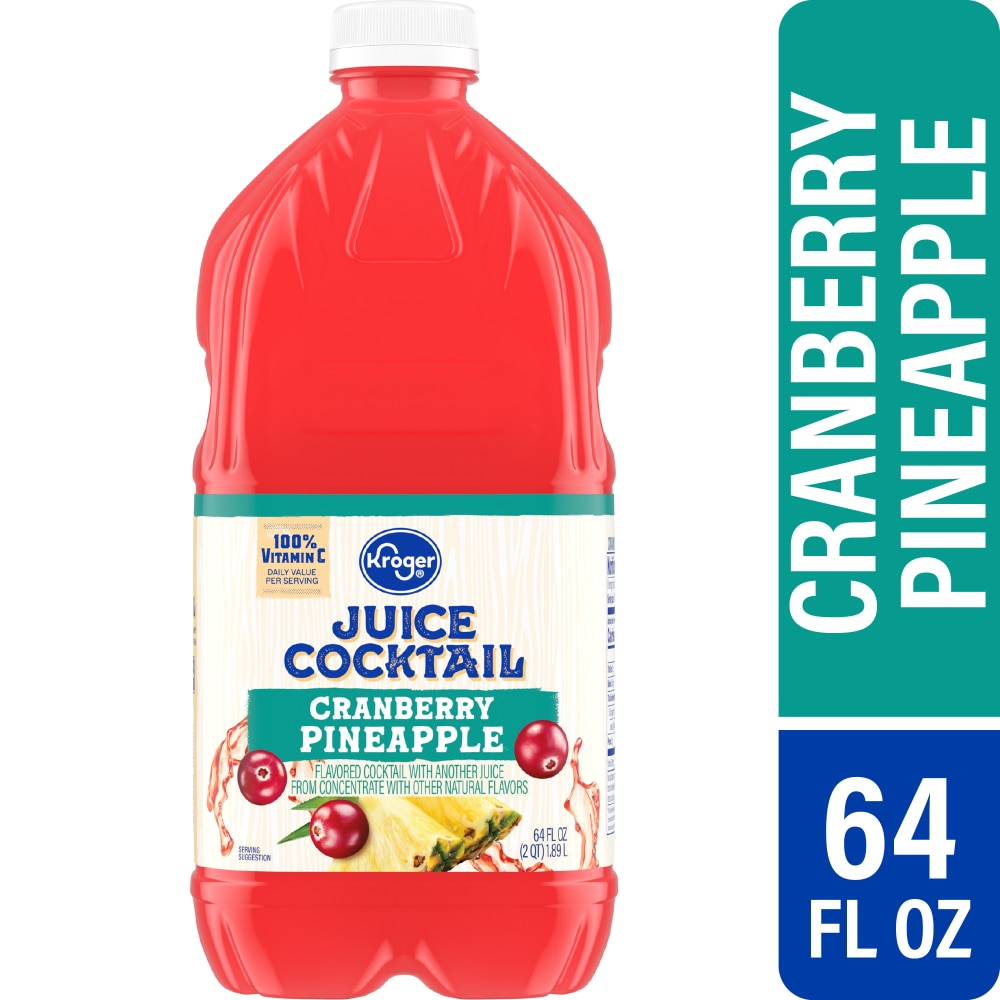
This juice cocktail contains beneficial ingredients like cranberry and pineapple juice concentrates, which provide antioxidants and vitamins. However, it is heavily processed with added sugars and vague 'natural flavors,' which detract from its healthfulness. The presence of multiple additives and the high level of processing limit its overall nutritional quality.
Key ingredients 12
Cranberry Juice ConcentrateGood
Cranberry juice concentrate is considered good due to its high antioxidant content, particularly proanthocyanidins, which may support urinary tract health. It is a natural source of vitamins and phytonutrients. The concentration process retains most of the beneficial compounds.
Risks
Excessive consumption may lead to gastrointestinal discomfort due to its acidity.
Benefits
Rich in antioxidants that may help prevent urinary tract infections and support overall health.
Pineapple Juice ConcentrateGood
Pineapple juice concentrate is good because it provides vitamins, particularly vitamin C, and bromelain, an enzyme with anti-inflammatory properties. It is a natural source of nutrients and flavor. The concentration process preserves its nutritional value.
Risks
May cause allergic reactions in sensitive individuals and can contribute to high sugar intake.
Benefits
Contains vitamin C and bromelain, which support immune function and digestion.
Ascorbic Acid (Vitamin C)Good
Ascorbic acid, or vitamin C, is a beneficial antioxidant that supports immune function and skin health. It is essential for collagen synthesis and acts as a preservative in foods. Its inclusion enhances the nutritional profile of the beverage.
Benefits
Supports immune function and acts as an antioxidant.
WaterNeutral
Water is a neutral ingredient that serves as a base for the beverage. It does not contribute any calories or nutrients. It is essential for hydration but does not provide additional health benefits in this context.
See more about Water →Malic AcidNeutral
Malic acid is a neutral ingredient used to enhance flavor and acidity. It is naturally found in fruits and is generally recognized as safe. It does not provide significant health benefits or risks.
See more about Malic Acid →Grape Juice ConcentrateNeutral
Grape juice concentrate is neutral due to its natural sugar content and some antioxidant properties. It provides flavor and some nutrients but also contributes to the overall sugar content. The concentration process retains some beneficial compounds.
Risks
High sugar content may contribute to excessive calorie intake.
Benefits
Contains antioxidants that may support heart health.
Fumaric AcidNeutral
Fumaric acid is a neutral ingredient used as a food additive to enhance acidity and flavor. It is generally recognized as safe and does not provide significant health benefits. It is used in small amounts and does not pose health risks.
See more about Fumaric Acid →Vegetable Juice (for color)Neutral
Vegetable juice for color is neutral as it is used primarily for aesthetic purposes. It does not significantly alter the nutritional profile of the product. It is a natural alternative to artificial colors.
See more about Vegetable Juice (for color) →Gum AcaciaNeutral
Gum acacia is a neutral ingredient used as an emulsifier and stabilizer. It is derived from the sap of the acacia tree and is generally recognized as safe. It does not provide significant nutritional benefits.
See more about Gum Acacia →Ester GumNeutral
Ester gum is a neutral ingredient used to stabilize and thicken beverages. It is derived from glycerol and natural resins and is considered safe for consumption. It does not contribute to the nutritional value of the product.
See more about Ester Gum →SugarBad
Sugar is classified as bad due to its contribution to added sugars in the diet, which can lead to health issues like obesity and diabetes. It is a refined carbohydrate with no essential nutrients. Excessive consumption can lead to metabolic disorders.
Risks
High intake of added sugars is associated with increased risk of obesity, type 2 diabetes, and heart disease.
Natural FlavorBad
Natural flavor is classified as bad due to its vague labeling, which can hide a variety of chemical compounds. It lacks transparency and may include additives not disclosed on the label. This can be concerning for individuals with allergies or sensitivities.
Risks
Potential for undisclosed allergens or additives that may cause reactions in sensitive individuals.
Processing
Processed Foods
Get the full breakdown in the Scout appTake Scout shopping
Scan any product to see lab results, healthy alternatives, and your personalized analysis.
Download on theApp Store GET IT ONGoogle Play