

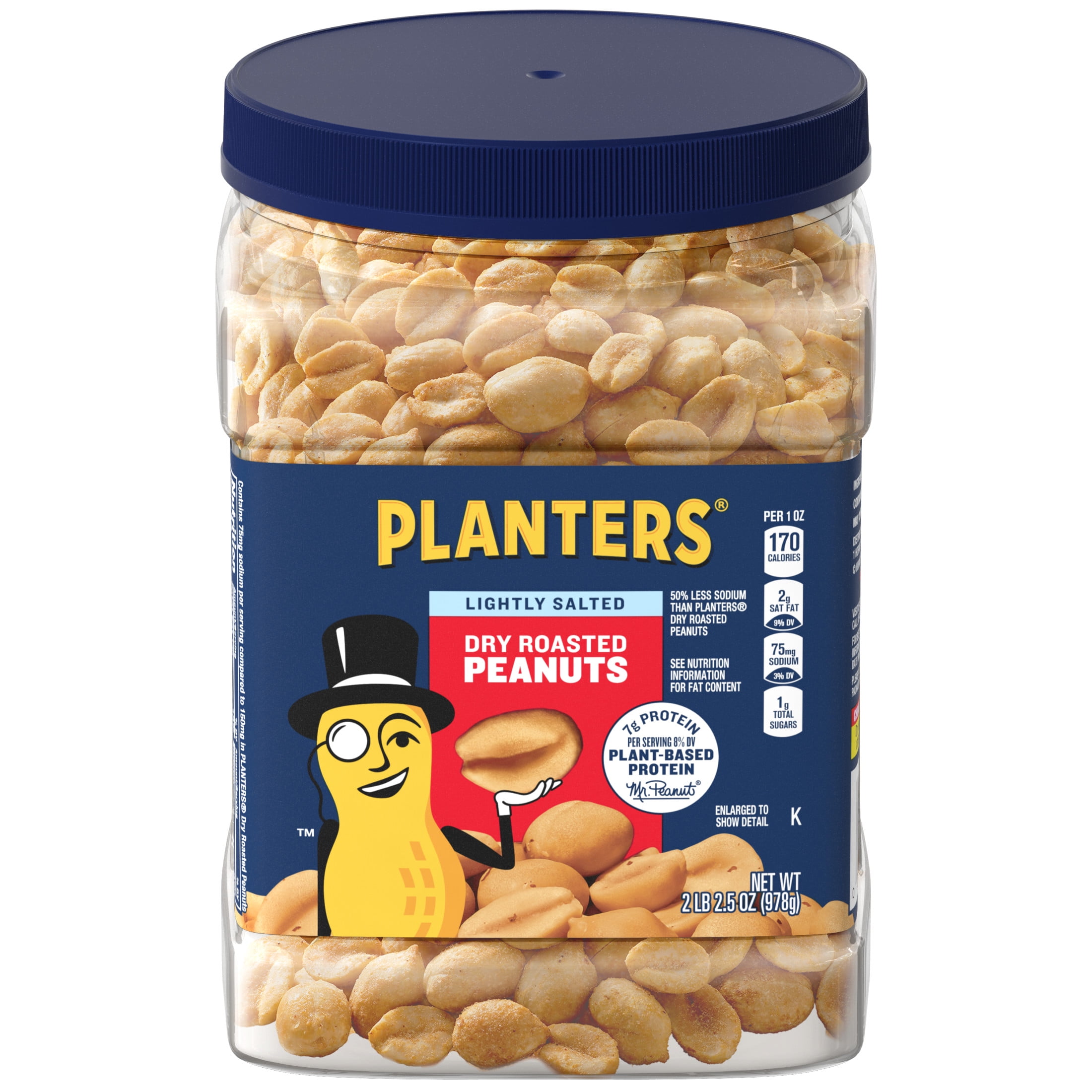
Dry Roasted Peanuts Salted with Sea Salt
KrogerAnalysis updated August 2026 · How Scout scores
At a glance
Summary
This product contains peanuts, which are a good source of protein and healthy fats, and sea salt, which provides essential minerals. However, the presence of refined sugar and natural flavors, which lack transparency, detracts from its nutritional quality. The processing level of the product also limits its score potential, as it includes modified corn starch and other additives.
Key ingredients 9
PeanutsGood
Peanuts are a good source of protein and healthy fats. They contain essential nutrients like magnesium and vitamin E. Their natural oils provide heart health benefits.
Risks
Peanuts can be allergenic and may cause severe reactions in sensitive individuals.
Benefits
Rich in monounsaturated fats and protein, supporting heart health and muscle maintenance.
Sea SaltGood
Sea salt is a minimally processed source of sodium and trace minerals. It enhances flavor without the additives found in refined salts. Its natural mineral content can support electrolyte balance.
Risks
Excessive sodium intake can lead to hypertension and cardiovascular issues.
Benefits
Provides essential minerals and enhances flavor naturally.
SpicesGood
Whole-food seasonings, antioxidant-bearing.
Risks
Potential allergenic reactions depending on the specific spices used.
Benefits
May provide antioxidants and enhance flavor.
PaprikaGood
Beneficial ingredient — whole-food or functional value in this product class.
Benefits
Provides antioxidants and enhances flavor.
Torula YeastNeutral
Torula yeast is used as a flavor enhancer and is a source of protein. It is often used in processed foods for its umami flavor. It is generally considered safe for consumption.
Benefits
Provides a savory flavor and is a source of protein.
Onion and Garlic PowderNeutral
Onion and garlic powder are used for flavoring and have some health benefits. They contain compounds that may support immune function. However, they are processed forms of the whole foods.
Risks
May cause digestive discomfort in sensitive individuals.
Benefits
Contain compounds that may support heart health and immune function.
Modified Corn StarchNeutral
Modified corn starch is used as a thickening agent and stabilizer. It is processed to improve texture and shelf life. It is generally considered safe but offers no nutritional benefits.
Benefits
Improves texture and stability in food products.
SugarBad
Refined sugar is a source of empty calories with no nutritional benefits. It can contribute to weight gain and metabolic disorders. Excessive consumption is linked to increased risk of chronic diseases.
Risks
High intake can lead to obesity, type 2 diabetes, and dental issues.
Natural FlavorBad
Natural flavors are often used to enhance taste but lack transparency in their composition. They can contain a variety of chemical compounds. Their processing and lack of disclosure can be concerning for some consumers.
Risks
Potential for undisclosed allergens and additives.
Processing
Processed Foods
Get the full breakdown in the Scout appTake Scout shopping
Scan any product to see lab results, healthy alternatives, and your personalized analysis.
Download on theApp Store GET IT ONGoogle Play